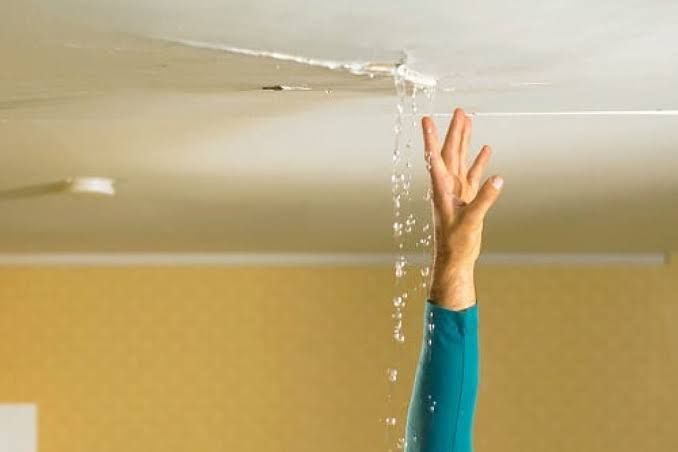
When water shows up where it does not belong, the first question most Tacoma property owners ask is simple: will insurance cover it? The answer is often yes, but only under certain conditions, and only if the damage was sudden, accidental, and reported correctly. That distinction matters because many water claims are delayed, under-documented, or denied for reasons that could have been prevented with the right response. If you are looking for help from a local team, it is worth starting with American Standard Restoration in Tacoma water damage help and response, then learning how your policy may apply before you decide what to do next.
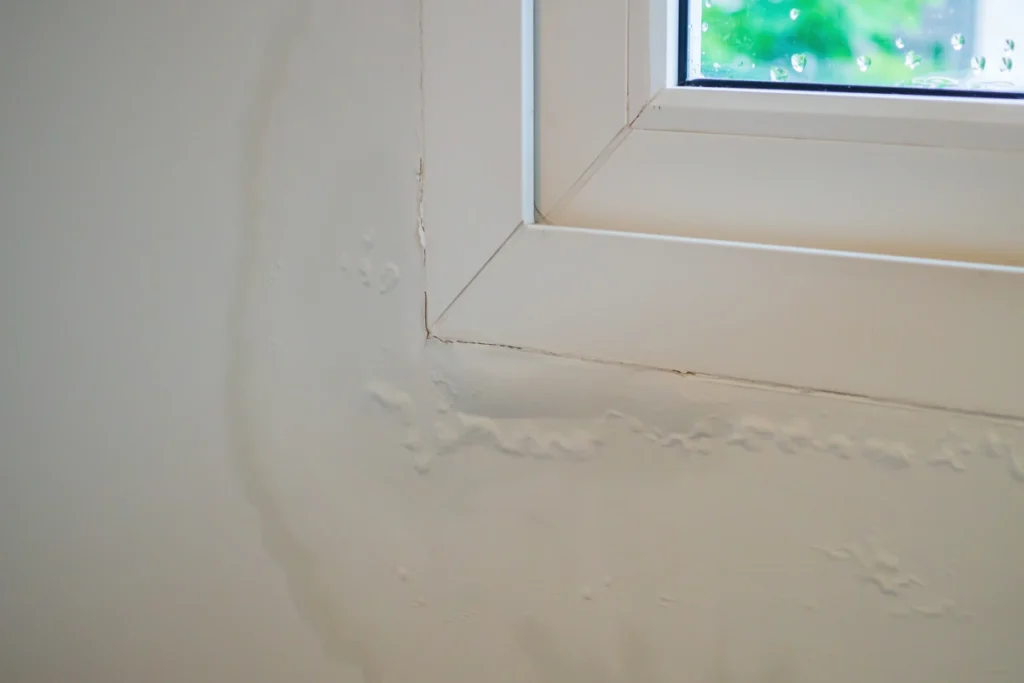
Water damage claims are rarely just about wet floors. They can involve hidden moisture inside wall cavities, damaged insulation, warped subfloors, ruined drywall, contamination concerns, and the possibility of mold growth if drying is delayed. In Tacoma, where damp weather, older homes, and storm-related runoff can all contribute to water intrusion, the stakes are even higher. A small leak in a North End bungalow, a failed appliance in a South Tacoma home, or a burst supply line in a condominium near downtown can quickly become a major insurance and restoration issue.
American Standard Restoration’s Tacoma water damage service page explains that the company provides complete water damage restoration services, including water extraction, structural drying, moisture detection, and full flood cleanup for residential properties and businesses. It also states that the team responds quickly and that homeowners can reach out by phone at 439-9968 or through the website contact form for prompt assistance. That matters because insurance companies usually expect property owners to act quickly to reduce further damage. Fast mitigation is not just a restoration best practice; it is often a policy expectation.
This guide breaks down the types of water damage insurance usually covers, the situations that are commonly excluded, how claims are handled in Tacoma, and what steps strengthen your position with both your insurer and your restoration contractor. It also addresses practical local issues, such as how Tacoma’s weather, neighborhood housing stock, and utility risks can influence the claim process. If you own a home or manage a business in Tacoma, understanding the difference between covered water damage and non-covered maintenance issues can save you time, stress, and money.
What Insurance Usually Covers When Water Damage Happens
Most homeowners insurance policies cover sudden and accidental water damage. That phrase is the key. Insurance is generally designed to help when something unexpected happens, not when a long-term maintenance issue is finally discovered. If a pipe bursts, a washing machine hose splits, or a water heater leaks unexpectedly and damages floors, walls, or personal property, that claim may be covered. If a storm drives rain through a damaged roof after a covered peril, that may also qualify depending on the policy language.
For Tacoma residents, the most common covered scenarios often include internal plumbing failures, appliance malfunctions, and accidental discharge from systems inside the home. If a kitchen sink supply line breaks in a condo near the Stadium District, or a toilet supply line fails in a home in East Tacoma, the damage can be extensive but still potentially covered. The claim may include the cost to dry the structure, remove damaged materials, and replace items damaged by the water event, subject to your deductible and policy limits.
Insurance may also cover the cost of temporary living arrangements if the home becomes uninhabitable because of a covered loss. That coverage is often called Additional Living Expense or Loss of Use. If a major pipe failure forces your family out of the home during repairs, your policy may help with hotel stays, meals, or other extra costs. Whether that applies depends on your policy terms and the severity of the damage.
The important point is that coverage is determined not just by the amount of water, but by the source and timing of the damage. A covered event usually begins with an accidental occurrence. A restoration company can document the cause, map moisture migration, and preserve evidence, which can be very helpful when you speak to your insurance adjuster.
What Insurance Often Does Not Cover
Just as important as knowing what is covered is knowing what is usually excluded. One of the most common reasons for claim denial is gradual damage. If a leak has been happening slowly under a sink for months and the cabinet has rotted, many policies treat that as a maintenance problem rather than a sudden loss. The same is often true for long-term seepage, chronic roof leaks, unresolved plumbing issues, or repeated water intrusion that was not addressed promptly.
Insurance policies also commonly exclude flood damage from outside water entering the property, unless you have separate flood insurance. A storm surge, overflowing river, or widespread surface water event is usually not covered by a standard homeowners policy. That distinction is critical in regions where heavy rain and drainage issues are a concern. If your property takes on water from outside ground level, your coverage will depend on whether you have a separate flood policy or other specialty coverage.
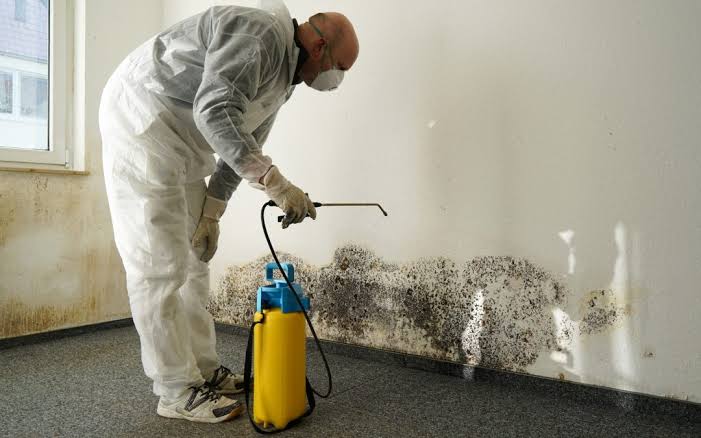
Mold coverage can also be limited. If mold results from a sudden covered water event, some policies may include partial mold remediation coverage, but often with strict dollar limits. If mold develops because water sat too long or because a leak was ignored, the insurer may deny that portion of the claim. This is one reason quick moisture detection and drying are so important. A prompt response can prevent a covered water issue from turning into a costly mold dispute.
Neglect and poor maintenance are another major issue. If the insurer believes a homeowner ignored obvious warning signs such as staining, repeated dripping, or a steadily increasing water bill, they may argue that the damage was preventable. That is why documenting the moment you discovered the issue and taking immediate steps to stop the source can be so valuable.
How Tacoma’s Conditions Can Affect a Water Damage Claim
Tacoma’s climate and housing landscape can complicate water damage claims in ways that homeowners in drier areas may not experience as often. Persistent rain, seasonal storms, damp crawlspaces, and older building stock can all create conditions where water issues develop quickly and remain hidden longer. Homes in neighborhoods such as North End, Proctor, Hilltop, West End, and South Tacoma each have their own structural patterns, from older framing to basement or crawlspace configurations that can trap moisture.
The local environment also matters when deciding whether damage is sudden or long-term. For example, if a roof leak only appears during heavy weather near Point Defiance or the areas around Wright Park, the insurer may ask whether flashing, shingles, or drainage systems were already compromised. If a crawlspace in Eastside Tacoma has standing water after a period of heavy rain, the source may need to be carefully traced to determine whether it began with an external event, a failed drain, or an internal plumbing problem.
Tacoma’s mix of historic properties and modern remodels can lead to different claim scenarios. Older homes may have aging galvanized lines, outdated fixtures, or hidden voids that make leaks harder to detect. Newer construction may involve more complex appliances, interconnected plumbing, and finished living spaces that are expensive to repair after water intrusion. In either case, an insurer wants a clear explanation of what failed, when it failed, and what damage followed.
Local geography can also influence response speed. If a property is near busy corridors like Interstate 5, Highway 16, or major surface routes around downtown Tacoma, access and restoration logistics may affect how quickly mitigation starts. The faster a qualified team begins extraction and drying, the better the odds of minimizing loss and supporting your claim with clear evidence.
Why the First 24 to 48 Hours Matter So Much
Insurance claims for water damage often hinge on what happens right after discovery. The first 24 to 48 hours are critical because that is when damage can either be contained or spread throughout the structure. Water moves through carpet, under baseboards, into wall cavities, and beneath flooring. The longer it sits, the more likely it is to cause swelling, staining, microbial growth, and structural deterioration.
American Standard Restoration states that it provides water extraction, structural drying, moisture detection, and flood cleanup. Those services are not just technical steps; they are the backbone of a credible insurance mitigation process. Extraction removes standing water. Moisture detection helps locate what cannot be seen. Structural drying aims to stop hidden damage from continuing. Full cleanup helps return the property to a safe condition.
From an insurance perspective, these actions show that you acted responsibly to reduce further loss. That can help with claims handling because insurers generally expect policyholders to protect the property from additional damage after an incident. If you leave water sitting, fail to ventilate areas, or continue using soaked materials, the insurer may question avoidable secondary damage. If you document immediate action, call your restoration provider promptly, and keep receipts, you improve your claim posture.
In practical terms, this means you should not wait for your insurer to tell you whether to begin drying. In many cases, the right move is to stop the source if you safely can, call a restoration company, photograph the damage, and notify your insurance carrier. Waiting for an adjuster before taking mitigation steps can allow more damage to develop and may create avoidable disputes later.
How to Document the Damage for Insurance
Thorough documentation is one of the most effective ways to strengthen a water damage claim. Start with photos and videos before anything is moved or cleaned up, if it is safe to do so. Capture wide shots of the affected rooms and close-ups of the water source, standing water, stains, damaged surfaces, buckled flooring, soaked belongings, and any visible mold or debris. Make sure the images show the extent of the damage in relation to the room, not just isolated spots.
Next, write down when you first noticed the problem, what you observed, and what action you took. If a pipe burst while you were away and a neighbor called to report water, note the time you were informed. If a dishwasher failed after a cycle ended, record the appliance brand, the approximate time, and any strange noises or behavior you noticed before the failure. These details can be important when an adjuster reviews the cause.
Keep all receipts related to emergency response, drying equipment, tarping, plumbing repairs, hotel stays, meals, and replacement items. If your policy includes loss of use coverage, those records may support reimbursement. Also keep copies of messages with your insurer and with the restoration team. A clean paper trail can reduce misunderstandings and help confirm the sequence of events.
If your restoration provider performs moisture mapping or takes photos during inspection, ask for copies. That evidence can be useful if the insurer questions the extent of the hidden damage. In many cases, the difference between a smooth claim and a delayed one comes down to documentation quality.
When to Call Your Insurance Company and When to Call Restoration First
Ideally, you should do both as soon as possible, but the order can depend on the situation. If water is actively flowing and you need emergency mitigation, calling a restoration company first can reduce the damage faster. If the situation is stable and there is no immediate risk of further loss, notifying your insurer right away is also smart. In many cases, the best approach is to call both nearly at the same time.
What matters most is that the source of the water is stopped safely and that the property is protected from further damage. A restoration team can often respond quickly, assess the scope of damage, and begin extraction or drying while you open the claim. The company’s Tacoma service page emphasizes prompt response, which is exactly what matters when insurers are evaluating whether the policyholder acted reasonably.
For example, if a water heater fails in a garage in the South End, the water may spread under walls and into adjacent rooms before you realize how serious it is. In that case, you might shut off water if safe, call a restoration provider to begin drying, and then notify your insurer with the facts. If a roof leak appears during a storm near the University of Washington Tacoma area, you may need emergency tarping or temporary protection before claim approval. Again, acting quickly helps limit the loss.
One caution: do not authorize permanent repairs before the insurer has had a chance to inspect, unless emergency stabilization requires it. Emergency mitigation is usually appropriate. Full reconstruction should typically wait until the damage has been documented and the claim path is clearer.
What a Restoration Company Does That Helps the Claim
Not all water damage work is visible. A professional team can identify hidden problems that a homeowner may miss, and that information can be valuable to the insurer. Moisture detection tools can show how far the water traveled beneath floors, behind trim, and into cavities. Thermal imaging and meters can reveal saturation long after the surface looks dry.
Water extraction and structural drying are also essential because they prevent the claim from becoming larger than necessary. If a team removes standing water quickly and sets up drying equipment properly, the insurer can more easily see that the homeowner acted to contain the loss. That can help preserve the argument that the damage stemmed from one covered event rather than prolonged neglect.
American Standard Restoration’s service description indicates that the company handles complete water damage restoration for homes and businesses in Tacoma, which suggests familiarity with both residential and commercial claim scenarios. That is useful because commercial water losses can involve inventory, equipment, tenant obligations, and business interruption questions, while residential claims often focus on living space, contents, and habitability. In both cases, the documentation standards are high.
A good restoration contractor should also communicate clearly about what is emergency mitigation and what is repair scope. That distinction helps homeowners understand what the insurer may pay for now, what may need an estimate later, and what items may require separate approval. Transparency in scope can reduce claim confusion and make the process more manageable.
How Deductibles and Policy Limits Affect What You Receive
Even when water damage is covered, the final payout is not always equal to the total cost. Your deductible is the amount you pay before insurance contributions begin. If the repair estimate is close to your deductible, you may choose to handle the loss without filing a claim, depending on the circumstances and future risk of premium impact. If the damage is extensive, the deductible becomes only one part of the bigger picture.
Policy limits also matter. Some policies cover dwelling repairs generously but place lower limits on personal property, mold remediation, or loss of use. That means your structure may be covered more fully than your furniture, electronics, or stored belongings. If you live in a Tacoma neighborhood where homes are tightly furnished or finished with custom materials, replacement costs may be higher than expected, especially if cabinetry, flooring, or built-ins must be removed and replaced.
There is also depreciation to consider. Depending on your policy, the insurer may initially pay actual cash value and reimburse replacement cost later after repairs are completed. That can create a temporary gap in funds. Understanding this ahead of time helps you plan conversations with both the insurer and the restoration contractor.
Common Claim Mistakes Tacoma Homeowners Should Avoid
One of the biggest mistakes is waiting too long. A slow response can turn a covered event into a disputed one. Another mistake is cleaning up everything before documenting it. While you should act to stop the loss, you should also preserve evidence. Moving items, discarding materials, or tearing out affected drywall before taking photographs can make it harder to prove the extent of the damage.
Another common issue is assuming all water is the same. It is not. Water from a clean supply line is very different from water that has entered from outside or from wastewater. The source affects safety, cleanup procedures, and sometimes coverage. If the water is contaminated, special handling may be necessary, and that should be documented early.
Some homeowners also fail to read the policy language. That leads to surprises about mold limits, sewer backup endorsements, or flood exclusions. A claim becomes easier when you understand the policy before a loss happens, or at least as soon as a loss occurs. Even if you do not know every detail, asking the right questions early can help.
Finally, do not assume a denial is the end of the road. Sometimes additional documentation, contractor reports, or a clearer explanation of the cause can change the outcome. A careful, fact-based response is often the best path forward.
How Tacoma Neighborhoods and Property Types Shape the Risk
Water damage risk is not identical across Tacoma. In older residential areas like North End and parts of Stadium District, aging plumbing and historic materials can make leaks harder to detect. In densely built areas near downtown, condominiums and multi-unit buildings may face shared plumbing or roof issues that require coordination with building management. In family neighborhoods like South Tacoma, homes with crawlspaces, remodels, or mixed-age systems can experience hidden moisture under floors or behind cabinets.
Properties near green space and slopes can also face drainage challenges. Areas around Point Defiance, Tacoma Narrows access routes, and lower-lying locations may see more moisture intrusion during heavy rainfall. Homes near busy retail corridors or major intersections can also experience response delays if access is congested, which is another reason to start mitigation early.
If you are a homeowner near the Tacoma Dome, the University of Washington Tacoma campus, or along the I-5 corridor, local access, parking, and building type may affect how restoration teams stage equipment and how quickly moisture can be removed. These practical details matter because insurance claims are built on facts, and the facts often include how the property is laid out and how quickly the response began.
Questions to Ask Your Insurer Before You File
If you are unsure whether your loss is covered, ask these questions: Was the damage sudden and accidental under my policy? Does my policy cover the specific source of water? Are there exclusions for gradual seepage, mold, or sewer backup? What is my deductible? Do I have loss of use coverage? Is there a separate flood policy if the water came from outside?
Also ask whether they want an initial estimate, emergency receipts, or a written description of the event. Find out whether an adjuster will inspect before repairs start and whether there are any preferred documentation formats. These questions help you avoid unnecessary delays and make sure your restoration work aligns with the claim process.
Many Tacoma homeowners find that the most efficient approach is to gather the facts, start emergency mitigation, and let the insurer evaluate coverage based on evidence. That is much easier when the damage has been professionally documented from the start.
Why Local Expertise Matters in Tacoma Water Damage Claims
Local expertise matters because water damage is never just a plumbing issue or a cleanup job. It is a building-science issue, a documentation issue, and a claims issue. A team that understands Tacoma properties is better equipped to recognize common local risks, from crawlspace moisture to storm-driven roof leaks to aging interior plumbing. They can also understand the urgency of getting drying equipment in place before hidden moisture creates more damage.
American Standard Restoration positions itself as a Tacoma-based water damage restoration company serving homes and businesses, and its service page emphasizes quick response and complete restoration services. That combination is valuable when insurance is involved, because local speed and clear documentation can make the difference between a manageable claim and a frustrating one.
For property owners who want a direct next step, the company’s water damage service page at Tacoma water damage restoration service for homes and businesses explains the scope of services and provides a direct contact path. If you are also comparing general property damage support, the company’s Tacoma property damage restoration reviews and 5-star service page can help you understand how the business presents its customer experience and response standards.
When you are dealing with a leak, flood, or sudden plumbing failure, the right sequence is simple: stop the source if it is safe, document everything, call a restoration professional, and notify your insurer. With the right evidence and quick mitigation, your chances of a smoother claim improve significantly.
Frequently Asked Questions
Will homeowners insurance cover water damage from a burst pipe in Tacoma?
In many cases, yes. A burst pipe is one of the most common examples of sudden and accidental water damage, which is often covered by homeowners insurance. The key is that the damage must be caused by a sudden event rather than long-term deterioration or neglect. If a pipe bursts and water damages drywall, flooring, cabinets, or contents, the claim may include mitigation, repairs, and damaged belongings, subject to your deductible and policy limits. Tacoma homeowners should document the failure immediately, stop the water source if safe, and begin drying as soon as possible. Quick action helps prevent secondary damage and can strengthen the claim. If the insurer later asks for proof, photographs, invoices, and a restoration report can help show that the loss was sudden and handled responsibly.
Does insurance cover water damage from heavy rain in Tacoma?
It depends on where the water came from and how it entered the property. If heavy rain causes a roof leak because wind or a covered storm damage event created an opening, your policy may cover that loss. If water enters from the ground, surface runoff, or flooding, standard homeowners insurance usually does not cover it. That is why the source of the water matters so much. Tacoma’s rainy seasons can create confusion because water may appear to come through a roof, wall, or foundation when the real issue is drainage or exterior infiltration. A restoration professional can help trace the source and document the moisture pattern, which is often useful when discussing the claim with your insurer. If you live in an area that is prone to runoff or standing water, it is also worth checking whether you have separate flood coverage.
Is mold from water damage covered by insurance?
Sometimes, but usually only under specific conditions. If mold develops as a result of a sudden covered water loss, your policy may include some mold remediation coverage, but the amount is often limited. If mold develops because a leak was ignored or because drying did not happen quickly enough, the insurer may deny that part of the claim. This is one reason fast response is so important after any water incident. In Tacoma’s damp climate, mold can begin to develop more quickly than many people expect, especially inside walls, under flooring, and in crawlspaces. That is why moisture detection and structural drying matter so much. The more thoroughly the affected areas are dried and documented right away, the better your chances of limiting mold growth and supporting a covered claim.
What should I do before filing a water damage claim?
Before filing, make the situation safe and preserve evidence. Shut off the water source if you can do so safely, take photos and videos of the damage, and remove valuables from immediate harm if possible. Avoid throwing away damaged materials until they have been documented, because adjusters may need to see the extent of the loss. Call a restoration company quickly so extraction and drying can begin, and keep any receipts or records related to emergency action. After that, contact your insurance company to open the claim. Be prepared to explain what happened, when it happened, and what steps you took afterward. The clearer your documentation, the easier it is for the insurer to review the event and determine coverage.
Will insurance pay for water extraction and drying services?
Often yes, if the water damage is covered under the policy. Water extraction, structural drying, and moisture detection are common mitigation services after a sudden loss. These services help prevent additional damage, which is something insurers generally want policyholders to do. If your claim is approved, the cost of emergency mitigation may be covered as part of the overall loss. However, coverage can vary depending on the source of the water, the policy terms, and the documentation provided. In Tacoma, where damp conditions can make hidden moisture a serious concern, prompt drying is especially important. A restoration provider can inspect the affected areas, use meters to find saturation, and remove water before it spreads farther into the home or business.
Does insurance cover water damage to personal belongings?
It often does, but only up to the policy’s personal property limits and subject to any applicable deductible or coverage category. Items like furniture, clothing, electronics, and household goods may be included if they were damaged by a covered water event. The insurer will usually want an inventory of damaged items, along with photos, purchase details, or estimates for replacement. Some belongings may be repairable, while others may be considered total losses. If water damage affects items in storage, finished basements, or lower-level rooms, documentation becomes even more important. Tacoma homeowners should photograph each damaged room and keep a list of contents that were affected. The more specific your records are, the easier it is to support the claim and avoid disputes over value.
What if the water damage was caused by an appliance failure?
Appliance failures are often covered if the failure was sudden and accidental. Common examples include washing machine hose breaks, dishwasher overflows, refrigerator line failures, and water heater leaks. The damage caused by the water may be covered, even if the appliance itself is not fully replaced under the homeowners policy. In some cases, the appliance may be covered under a warranty, manufacturer program, or home warranty rather than homeowners insurance. For Tacoma residents, a quick response is important because appliance water can spread silently under flooring and into adjacent rooms. If you notice a failure, turn off the supply if safe, photograph the area, and call for mitigation right away. That can reduce the extent of damage and support a smoother insurance review.
How fast should I contact a restoration company after discovering water damage?
Immediately if possible. The first few hours after discovery are often the most important because water continues to move through the structure and hidden materials. A restoration company can begin extraction, identify moisture pockets, and set up drying equipment before the problem becomes larger. Even if you still need to speak with your insurer, mitigation should not wait if the situation is active. In Tacoma, where damp weather and cooler conditions can slow natural drying, a delayed response can create a much larger issue. Calling quickly shows that you took reasonable steps to protect the property and can help preserve coverage for the original event. If the water is already gone but the materials are still wet, professional drying is still important because hidden moisture can remain long after the visible water disappears.
Will my insurer cover water damage if I have a crawlspace problem?
Maybe, but it depends on the cause. If water entered the crawlspace because of a sudden plumbing failure or another covered event, there may be coverage for the resulting damage. If the issue is due to poor drainage, long-term seepage, or chronic moisture that was never addressed, coverage may be limited or denied. Crawlspaces are especially important in Tacoma because they can trap humidity and conceal leaks for long periods. That makes early inspection and moisture detection essential. If you notice musty odors, standing water, sagging insulation, or softened subflooring, those signs should be documented quickly. A restoration contractor can evaluate the crawlspace, determine the likely source, and help support any insurance review with measurable findings.
Can I choose my own water damage restoration company?
In many cases, yes. Homeowners usually have the right to choose a restoration provider, although insurers may suggest preferred vendors. The important thing is to choose a qualified team that can respond quickly, document the loss thoroughly, and communicate clearly with you and your insurer. A local Tacoma company that understands moisture mapping, extraction, drying, and cleanup can help keep the claim organized. When selecting a provider, ask about response time, equipment, documentation practices, and whether they can work directly with the claims process. The best choice is usually the company that can protect your property right away while also helping you build a clean paper trail for insurance purposes.
What happens if my water damage claim is denied?
If your claim is denied, do not assume there are no options. Start by reading the denial letter carefully so you understand the reason. Common issues include gradual damage, lack of documentation, policy exclusions, or disagreement over the source of the water. You can ask the insurer for a more detailed explanation and submit additional evidence such as restoration reports, photos, moisture readings, or contractor assessments. If the event was truly sudden and accidental, more documentation may help. In some cases, policyholders also review their coverage language or seek help understanding whether an endorsement or separate policy may apply. A calm, evidence-based response is usually the best path. Even if the claim is not overturned, you can learn what documentation and policy protection you should have in place for the future.
Conclusion
Insurance may cover water damage restoration in Tacoma, WA, but only when the loss fits the policy language and the homeowner responds correctly. Sudden and accidental water events are often covered, while gradual leaks, poor maintenance, and outside flooding are often excluded unless you have separate protection. The most important factors are speed, documentation, and clear communication. If you act fast, preserve evidence, and involve a local restoration team that understands extraction, drying, and moisture detection, you give yourself the best chance of a fair claim outcome.
For Tacoma property owners, the combination of rainy weather, older homes, and varied neighborhood construction means water damage can escalate quickly. That is why local knowledge matters. If you need a starting point, the company’s main site at American Standard Restoration in Tacoma emergency property recovery is a practical place to learn more about the business, while the Tacoma water damage restoration service for homes and businesses page explains the restoration services themselves. When water damage threatens your home or business, the right next step is not guesswork. It is quick action, careful documentation, and a trusted local response.