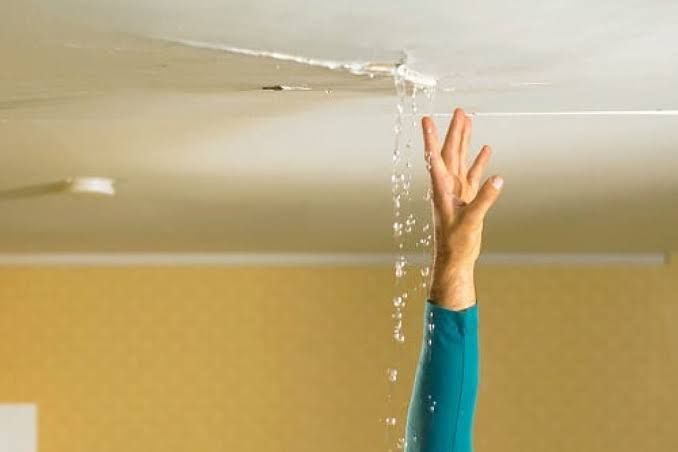
You walk into your home after work and notice an unpleasant, damp smell. It reminds you of a wet basement or old cardboard that’s been left in the rain. Naturally, you start looking around for the source. You check under the kitchen sink, inspect the bathroom, and even glance at the ceiling for water stains. Everything looks perfectly normal, yet the smell refuses to go away.
If this sounds familiar, you’re not alone. Many homeowners experience a musty odor long before they discover visible signs of water damage. In fact, hidden moisture is often the real problem. Water has a way of finding places you can’t easily see, and by the time obvious damage appears, it may have already been affecting your home for weeks or even months.
For homeowners in Washington, this is a common issue. Long rainy seasons, damp weather, and naturally high humidity levels create conditions where moisture can linger inside a home if it isn’t properly managed. While a musty smell doesn’t always mean serious damage, it’s your home’s way of telling you something deserves a closer look.
A Musty Smell Usually Means Moisture Is Hiding Somewhere
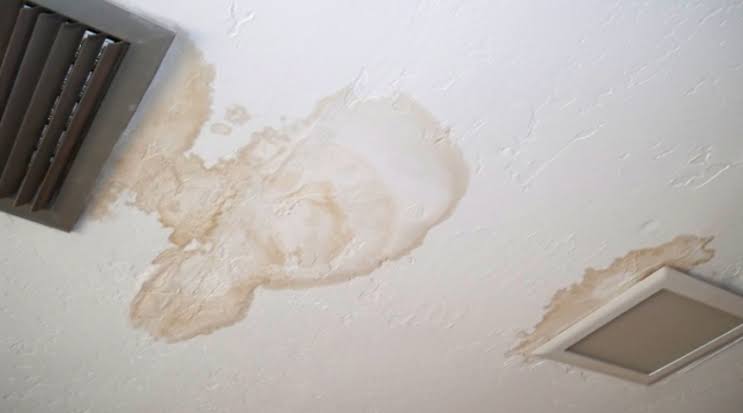
One of the biggest misconceptions about water damage is that you’ll always see it. In reality, water often travels behind walls, beneath flooring, inside insulation, or through ceiling cavities without leaving an immediate stain.
A small leak behind a bathroom wall might only release a few drops each day. That doesn’t sound like much, but over time those drops soak into surrounding materials. Drywall absorbs moisture like a sponge, wooden framing begins to stay damp, and insulation holds water far longer than most people realize.
Because all of this happens behind finished surfaces, your first clue is often the smell rather than visible damage.
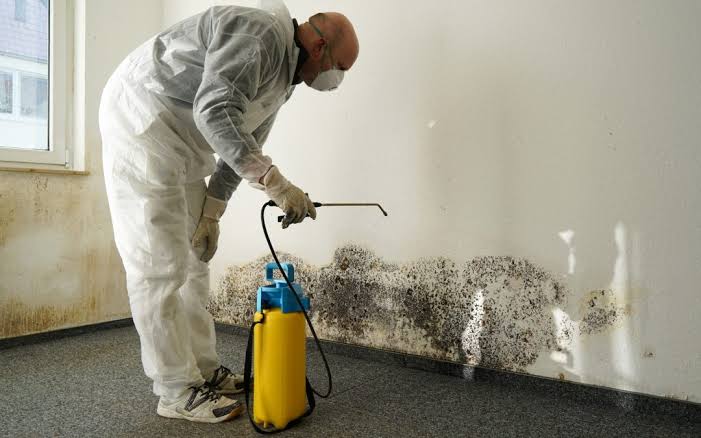
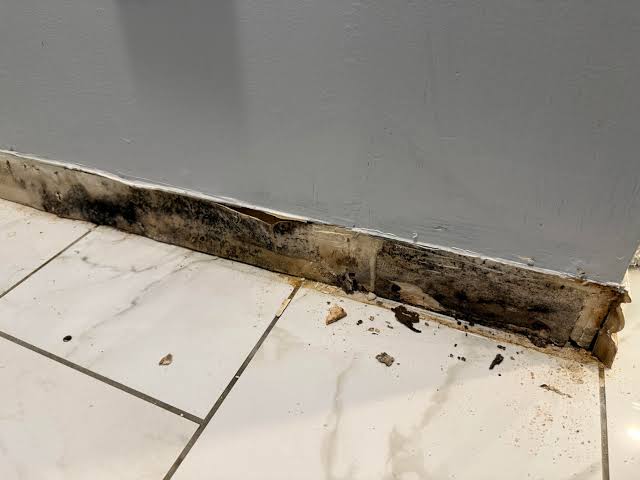
The odor itself isn’t coming from the water. It’s produced by mold, mildew, and bacteria that thrive in damp environments. As they grow, they release tiny compounds into the air, creating the earthy smell many people associate with moisture problems.
Hidden Water Damage Is More Common Than You Think
Not every leak turns into a puddle on the floor. Some develop so slowly that homeowners live with them for months without realizing anything is wrong.
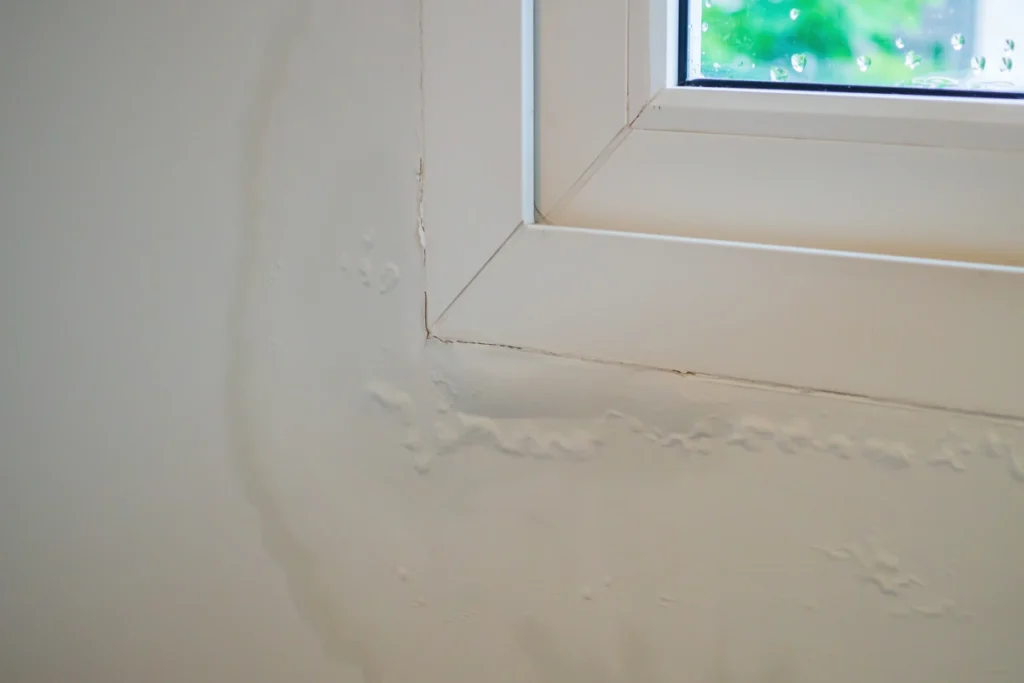
A loose pipe connection beneath a sink may only leak when the faucet is running. A damaged roof shingle might allow rainwater inside during heavy storms but remain dry the rest of the week. Even a cracked seal around a window can allow moisture to enter little by little each time it rains.
These slow leaks rarely attract attention because they don’t create an immediate emergency. Instead, they quietly damage surrounding materials until something changes. Sometimes it’s peeling paint. Sometimes it’s warped flooring. Often, it’s simply an unpleasant smell that seems impossible to locate.
Washington’s Climate Makes Hidden Moisture More Likely
Washington homeowners deal with a climate that’s very different from many other parts of the country. Extended periods of rainfall, cool temperatures, and consistently high humidity make it harder for damp materials to dry naturally.
Even after a leak stops, trapped moisture doesn’t always disappear on its own. Crawl spaces remain damp for longer periods, attic insulation can stay wet after storms, and poor ventilation inside bathrooms or laundry rooms allows humidity to build up day after day.
This doesn’t mean every home will develop mold, but it does mean homeowners should take moisture seriously whenever something feels or smells unusual.
Sometimes the Problem Isn’t a Leak at All
One of the more surprising causes of musty odors is excess humidity rather than an active water leak.
Everyday activities like showering, cooking, running the dishwasher, or doing laundry release moisture into the air. Normally, your home’s ventilation system removes that moisture before it becomes a problem. But when ventilation isn’t working efficiently, humidity begins settling on cooler surfaces such as walls, windows, and ceilings.
Over time, those damp conditions create an environment where mildew and mold can begin growing even without a burst pipe or overflowing appliance.
This is why some homeowners notice a musty smell during the wetter months of the year, even though they’ve never experienced what they would consider traditional water damage.
Your HVAC System Could Be Contributing
Many homeowners never think to inspect their heating and cooling system when a musty smell develops.
Air conditioners naturally remove moisture from the air as they cool your home. That moisture drains away through a condensate line. If the drain becomes clogged or water begins collecting inside the system, mold and mildew can develop surprisingly quickly.
Every time the HVAC system turns on, air passes over those damp areas and carries the odor throughout the house. Instead of smelling the problem in one room, the entire home may begin smelling musty.
Regular HVAC maintenance often helps prevent this type of issue before it affects indoor air quality.
How Can You Tell If Hidden Water Damage Is the Cause?
Although every home is different, there are usually a few clues that accompany a persistent musty odor.
You might notice paint beginning to bubble near a window, hardwood flooring feeling slightly uneven, or drywall that feels softer than normal when pressed gently. Some homeowners discover their water bill has gradually increased without any obvious explanation, while others find themselves sneezing more often indoors than outside.
A musty smell by itself doesn’t confirm hidden water damage, but when it’s accompanied by subtle changes around the home, it’s worth investigating further.
Why Covering Up the Smell Doesn’t Solve the Problem
It’s tempting to light a scented candle, spray an air freshener, or place odor absorbers around the house. While these products may temporarily improve the smell, they don’t remove the source.
If moisture remains trapped behind a wall or beneath flooring, mold and mildew will continue growing whether you can smell them or not.
The goal shouldn’t be to eliminate the odor. It should be to find out why the odor exists in the first place.
Professional restoration companies use moisture meters and thermal imaging equipment that can detect hidden moisture without opening every wall in your home. These tools often locate problems that aren’t visible during a standard inspection.
When Should You Be Concerned?
Not every musty smell signals a major restoration project. Sometimes improving ventilation or repairing a minor plumbing issue is all that’s needed.
However, if the odor becomes stronger after rainfall, continues for several weeks, or seems to spread throughout the home, it’s time to take a closer look. Waiting for visible damage to appear often allows a relatively small problem to become much more expensive to repair.
The earlier hidden moisture is discovered, the easier it is to dry affected materials before mold growth or structural damage develops.
Final Thoughts
A musty smell is more than just an unpleasant odor. In many cases, it’s one of the earliest signs that moisture is hiding somewhere inside your home.
Rather than assuming the smell will disappear on its own, pay attention to what your home is trying to tell you. A professional inspection today could uncover a small leak that’s easy to repair, preventing far more extensive damage in the future.
For Washington homeowners, staying ahead of moisture problems is especially important. With the region’s wet climate and long rainy seasons, hidden water has a greater chance of lingering where you can’t see it. Taking action early helps protect your home’s structure, improves indoor air quality, and gives you peace of mind knowing the problem has been addressed before it grows into something much bigger.