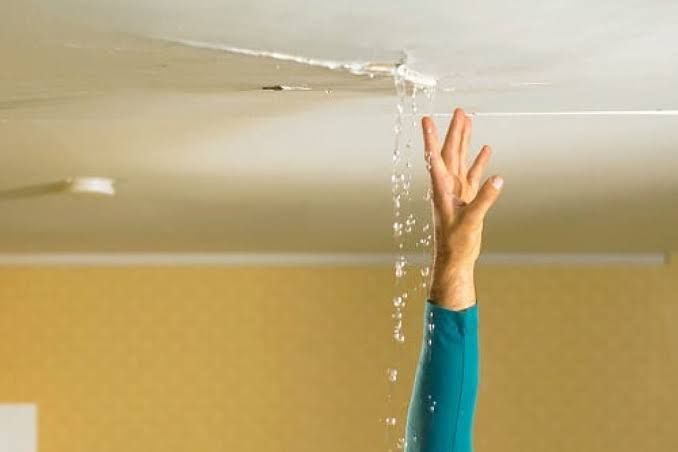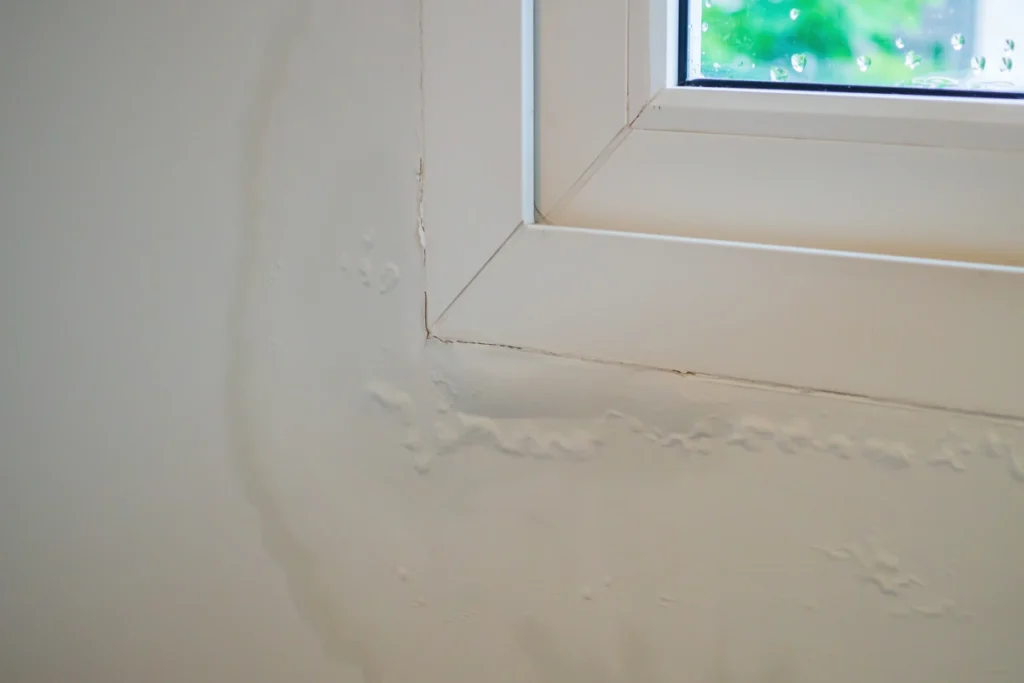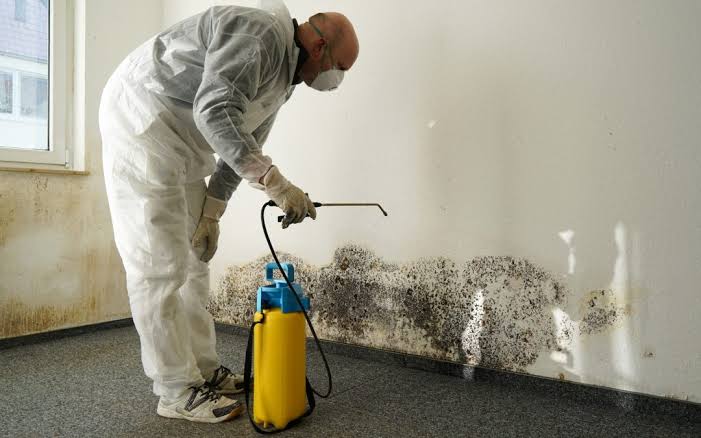
When water enters a Tacoma home, the clock starts immediately. A small leak under a sink in Central Tacoma, a burst supply line in North End, storm intrusion near the Ruston waterfront, or a hidden sewer backup in a basement off South Tacoma Way can all become much bigger problems if they are not handled correctly. That is why homeowners usually want one clear answer first: what does water damage restoration Tacoma WA usually include for Tacoma homes?
For local homeowners, the answer is not just “dry it out.” A professional process usually includes emergency response, water extraction, moisture inspection, structural drying, dehumidification, sanitation, material removal when needed, and documentation of the damage. In many cases, it also includes careful communication with the homeowner about what can be saved, what must be replaced, and what conditions need to be monitored over time. If you are looking for a starting point from a local company, you can review the team’s main presence at American Standard Restoration in Tacoma for water damage help, then compare the service details to what your home actually needs.
Tacoma homes present a unique set of conditions that make water damage more than a simple cleanup project. Older houses around Proctor, the Stadium District, and Old Town may have original framing, vintage plaster, crawlspaces, or aging pipes. Homes near the hills can experience drainage challenges, while properties close to Commencement Bay can be affected by damp conditions and air movement that slows drying. Even newer homes around University Place, Eastside, and Fircrest can face sudden water losses from failed appliances, water heaters, or plumbing fittings. The restoration process has to account for those realities, not just the visible puddle.
American Standard Restoration’s Tacoma water damage service page describes a complete approach that includes water extraction, structural drying, moisture detection, and full flood cleanup for both residential and commercial properties. That matters because the visible water is only part of the problem. Water can move behind baseboards, under flooring, into insulation, and into structural cavities. If those hidden areas are not inspected and dried, a home can later develop mold growth, odor issues, warped wood, and recurring damage long after the surface looks fine. For that reason, the restoration process should be methodical, not rushed.
Homeowners often assume restoration begins with a fan and ends when the floor feels dry. In reality, a proper response is much more structured. The first stage is usually emergency stabilization. The goal is to stop the source if possible, reduce further spread, protect unaffected rooms, and begin extraction quickly. If a supply line is still spraying, the water heater is still leaking, or rain is still entering through a roof opening, the source has to be controlled before drying can be truly effective. This first step is especially important in Tacoma, where rainy-season moisture can combine with interior water loss and make the environment harder to dry.
After the source is addressed, technicians typically inspect the property to determine the category and extent of damage. That means identifying whether the water came from a clean supply line, a gray-water source like a washing machine overflow, or a more contaminated source such as a sewer backup. They also determine which materials are affected. A laminate floor may be swollen, drywall may be wicking moisture above the baseboard line, or carpet padding may have saturated beneath the surface. In some homes, the damage may appear limited to one room but extend into hallways, closets, or adjoining walls.
Moisture detection is a core part of the work. This usually involves using tools to identify moisture behind walls, beneath floors, or in framing that cannot be seen from the outside. It is not enough to know that a room was wet. The real question is how far the moisture traveled and whether structural components were affected. In Tacoma homes with crawlspaces, split-level designs, or finished basements, that question becomes even more important. Water can migrate into places homeowners rarely inspect, especially when the home’s layout includes additions, utility rooms, or enclosed storage spaces.
Once the affected areas are identified, water extraction is usually the next major step. Standing water should be removed as quickly as practical because it can saturate materials, stain surfaces, and spread to other rooms. Extraction may involve wet vacuums, pumps, or specialized equipment depending on the amount of water. In homes with carpeting, extraction can also help salvage carpet and underlayment if the response is timely. In homes with hardwood, the goal is often to remove excess surface water quickly to reduce cupping, crowning, or separation in the boards.
Structural drying is where the science of restoration really matters. Drying is not simply about making a room feel less humid. It is about bringing moisture content in materials back toward an acceptable level while controlling air movement, temperature, and humidity. Professionals often use air movers and dehumidifiers to create the right drying environment. The process is monitored over time so technicians can see whether framing, drywall, subflooring, and other materials are actually drying as intended. In Tacoma’s damp climate, this step is especially important because ambient moisture can slow the process if equipment is not balanced properly.
Dehumidification is a major part of that effort. When wet materials release moisture into the air, humidity rises. If humidity stays high, drying slows down and mold risk increases. Dehumidifiers remove moisture from the air so wet surfaces can continue releasing water without creating a saturated indoor environment. In many Tacoma homes, especially those with tight insulation, sealed windows, or lower-level rooms, dehumidification helps prevent the “it looks dry but isn’t dry” problem that leads to long-term issues.
Monitoring is another key part of a proper restoration job. Drying should not be based on guesswork alone. Repeated measurements help show how the structure responds over time. This usually includes checking moisture levels in building materials and tracking environmental conditions in the affected space. If the readings improve steadily, the plan is working. If not, the setup may need to be adjusted. That kind of monitoring is what separates a careful restoration project from a basic cleanup.
Sanitation and cleaning are often needed after the water is removed. Clean water still leaves behind dirt, bacteria from the environment, or residues carried in through the loss. If the source was gray water or worse, the cleaning and disinfection process becomes even more important. This step may involve treating salvageable surfaces, cleaning contents, and helping restore the space to a safer, more livable condition. For families with children, pets, allergies, or immunocompromised residents, sanitation is not optional; it is part of the health and safety response.
In some cases, removal of damaged materials is necessary. Not every wet item can be saved. Saturated drywall, warped trim, delaminated flooring, compromised insulation, and contaminated porous materials may need to be removed so the structure can dry properly. This is often the hardest part for homeowners because it feels like more destruction after the original damage. But selective demolition is often what prevents hidden rot and mold from developing later. The right contractor explains why a material is being removed and what must happen before reconstruction can begin.
Reconstruction or repair may follow once the structure is dry and stable. Depending on the loss, that can include replacing drywall, repainting, reinstalling baseboards, repairing flooring, and restoring affected finishes. A full-service restoration company may handle some or all of this work, while in other cases the homeowner may bring in a separate contractor after mitigation is complete. Either way, the restoration plan should clearly distinguish between emergency mitigation and final repairs.
Documentation is also a normal part of water damage restoration, especially if insurance is involved. Good records help show what was affected, what was done, and how the loss progressed. This can include photos, moisture logs, estimates, and notes about the source of the loss. That documentation can be especially valuable in Tacoma neighborhoods where homes may have unique materials or older construction details that require explanation. Clear records reduce confusion and help everyone involved understand the scope of the project.
The reason all of this matters is simple: water damage is never just about water. It can impact structure, flooring, cabinets, insulation, electrical components near the affected area, indoor air quality, and the long-term durability of the home. In a place like Tacoma, where wet weather is a normal part of the year, the restoration process has to be thorough enough to account for both the incident itself and the city’s moisture-prone conditions. A home that is dried correctly is much less likely to suffer secondary damage later.
Local geography and daily life also shape how water damage shows up. A family living near Point Defiance may face storm-driven roof or siding intrusion. A home near Tacoma Mall may be affected by plumbing failures in a busy household with multiple bathrooms and laundry cycles. A property close to Pacific Avenue or along major commuting corridors may have older plumbing systems or rental turnover that increases the chances of unnoticed leaks. Homes near Wright Park, the waterfront, or the Tacoma Dome area may have different building ages and maintenance patterns, but they all share the same risk: water moves fast and damage spreads faster than most people expect.
That is why prompt action is so important. If you discover water in your Tacoma home, the first few hours matter. Shut off the source if you can safely do so, document the area for your records, move dry items out of harm’s way, and contact a qualified restoration company as soon as possible. The sooner extraction and drying begin, the better the chances of preserving materials and reducing the total cost of the loss. Delay can turn a manageable incident into a much larger repair project.
If you are comparing companies, it helps to look for a provider that clearly explains each stage of the process and communicates what is happening inside the home. The service page for Tacoma water damage restoration services and cleanup steps emphasizes complete water damage restoration, water extraction, structural drying, moisture detection, and flood cleanup, which aligns with the core stages homeowners should expect from a professional response. A homeowner should never feel left guessing about what is being done or why it matters.
It also helps to verify whether the company offers a direct route for questions, scheduling, and follow-up. For homeowners needing prompt help after a loss, the American Standard Restoration reviews and emergency response information page can be a useful place to understand how the company presents its property damage restoration support and contact details. When a water event is unfolding, clear communication can be just as important as the drying equipment itself.
In practical terms, the usual restoration sequence for Tacoma homes looks like this: respond fast, stop the source, inspect the damage, extract standing water, detect hidden moisture, dry the structure, dehumidify the air, clean and sanitize as needed, remove unsalvageable materials, document the loss, and move into repairs or reconstruction. Some projects are straightforward. Others require more invasive work because the water has traveled farther than expected. But in nearly every case, the goal is the same: restore the home safely, completely, and with enough verification to prevent future problems.
For Tacoma homeowners, that means choosing a restoration partner that understands the local housing stock, the climate, and the hidden ways water behaves inside a structure. An old Craftsman in the North End, a split-level near South End, a condo near downtown, or a newer home in the surrounding neighborhoods all need a tailored response. There is no one-size-fits-all cleanup. The best restoration plans are built around the building, the source of water, the materials affected, and the homeowner’s priorities for safety, speed, and long-term protection.
If you know what restoration usually includes, you are far better prepared to ask the right questions and spot shortcuts. The right contractor should be able to explain why certain areas are being dried longer than others, why certain materials need removal, and how the final condition will be verified. That kind of transparency helps protect your home and makes the whole process less stressful. In a city like Tacoma, where rain, plumbing age, and structural variation all influence water damage outcomes, a careful restoration process is not a luxury. It is the standard homeowners should expect.
Frequently Asked Questions
What is the first step in water damage restoration for Tacoma homes?
The first step is usually to stop the source of the water if it is safe to do so. That may mean shutting off a fixture valve, a home’s main water supply, or disconnecting an appliance that is leaking. After the source is controlled, the property should be assessed quickly so standing water does not spread into other rooms or settle into walls and flooring. In Tacoma homes, this is especially important because local weather and indoor humidity can make water linger longer than homeowners expect. Early response helps reduce structural damage, lowers the chance of mold growth, and gives technicians a better chance of salvaging materials. Once the source is controlled, the next step is typically extraction, inspection, and moisture mapping so the full scope of the loss can be understood before drying begins.
How do professionals find hidden moisture after a leak?
Professionals use moisture detection tools and a careful visual inspection to identify where water has traveled. Hidden moisture is common behind baseboards, under flooring, inside drywall, and in subfloors or framing. In Tacoma homes, crawlspaces, basements, and older construction details can create pathways for water to move in ways that are not obvious from the surface. That is why a room that looks dry may still contain wet materials below or behind the finish surfaces. The technician’s job is to locate those pockets of moisture before they become mold or structural problems. Proper detection helps determine which areas need drying, which materials can be saved, and whether any demolition is necessary to reach concealed damage.
Is water extraction always needed after a flood or leak?
In most cases, yes. Water extraction is usually one of the most important steps because standing water can continue soaking into building materials every minute it remains in the home. Even a few hours can make a meaningful difference in how much damage occurs. Extraction helps remove the bulk of the water so drying equipment can work more effectively. In Tacoma homes, this step is especially important during rainy periods or in lower-level rooms where humidity may already be elevated. If a leak is small and caught early, the amount of water extraction needed may be limited, but the process still matters because it speeds up recovery and reduces the chance of further damage.
How long does structural drying usually take?
The drying timeline depends on several factors, including how much water was present, what materials were affected, the size of the space, airflow, temperature, and humidity. A small loss in a single room may dry faster than a larger event involving multiple floors, insulation, and hidden cavities. In Tacoma, the climate can slow drying if the indoor environment is not controlled properly, which is why dehumidifiers and air movers are so important. Structural drying is usually monitored over time rather than assumed to be complete after a day or two. The real goal is not speed alone; it is reaching acceptable moisture levels in the affected materials so the home does not develop secondary damage later.
Will all wet materials in my Tacoma home need to be removed?
Not necessarily. Some materials can often be dried and restored if the loss is addressed quickly and the materials are still structurally sound. Other materials, especially porous or contaminated items, may need to be removed to allow the home to dry properly and to reduce health risks. Drywall, insulation, carpet padding, or flooring may be removed if they are too saturated, warped, delaminated, or exposed to contaminated water. The decision is usually based on the material type, the source of the water, and how long the materials remained wet. A careful restoration company should explain why something can be saved or why removal is the safest option. That transparency helps homeowners understand the tradeoff between cost, safety, and long-term durability.
Can water damage lead to mold in Tacoma homes?
Yes, water damage can lead to mold if moisture remains in the structure long enough for growth to begin. Mold risk rises when damp materials are not dried quickly and thoroughly. Tacoma’s naturally moist climate can make this concern even more important because humid conditions can slow evaporation. Mold is more likely to develop in concealed areas such as behind drywall, in crawlspaces, and under flooring where water can remain unnoticed. That is why drying and moisture verification are so important after a leak or flood. The best prevention is fast response, complete drying, and careful inspection of hidden areas. If mold has already started, additional remediation steps may be required before repairs can begin.
What should I do before a restoration team arrives?
If it is safe, shut off the water source and electricity to the affected area if water is near outlets, appliances, or wiring. Move furniture, rugs, boxes, and personal items away from the wet area if you can do so without risk. Take photos for your records before cleanup begins, because documentation can help with insurance and future planning. Do not use household fans if there is a chance of spreading contaminated water or pushing moisture into unaffected areas without a proper drying plan. In Tacoma homes, especially older homes with basements, crawlspaces, or layered finishes, it is better to avoid disturbing the structure too much before inspection. The less the water is spread around, the easier it is for the restoration process to target the actual damage.
Does insurance usually cover water damage restoration?
Coverage depends on the cause of the loss and the terms of the policy. Sudden and accidental damage, like a burst pipe or appliance failure, may be treated differently from gradual leaks or maintenance issues. A policy may cover some parts of mitigation, drying, and repair, but not every type of damage is handled the same way. Because each claim is different, detailed documentation matters. Photos, moisture readings, and written estimates can help explain what happened and what work was required. Tacoma homeowners should review their policy and speak with their insurer as soon as practical after discovering a loss. A restoration company that documents the damage thoroughly can make the claims process easier to understand.
Why does Tacoma weather make water damage harder to manage?
Tacoma’s weather can make water damage harder to manage because the air already contains a fair amount of moisture much of the year. When a home is wet, the surrounding climate can slow evaporation and extend drying times. That means the restoration process has to be more deliberate about dehumidification, airflow, and monitoring. Rainy conditions also increase the likelihood of roof, siding, gutter, and drainage issues that can compound the original loss. In neighborhoods with mature trees, older homes, or lower elevations near the water, the mix of exterior moisture and indoor water intrusion can create more complicated drying conditions. This is why water damage restoration in Tacoma is not just a cleanup service; it is a moisture control process adapted to local conditions.
What makes a good water damage restoration company in Tacoma?
A good restoration company should respond quickly, explain the process clearly, and show that it understands both the building science and the local housing conditions. It should be able to perform water extraction, structural drying, moisture detection, cleaning, and documentation in a coordinated way. Homeowners should also look for transparency about what can be saved, what must be removed, and how long the work may take. In Tacoma, experience with older homes, crawlspaces, and weather-related moisture issues can be especially valuable. Good communication matters too, because a water loss can be stressful and confusing. The best companies make the process understandable and provide a plan that protects the home rather than just treating the visible surface damage.
How can I tell if my home is fully dry after restoration?
A home is not fully dry just because floors no longer feel wet. Full drying means the affected materials have returned to acceptable moisture levels and the space has been verified with measurements, not just appearances. That usually involves checking walls, flooring, framing, and any hidden cavities that were affected. In Tacoma homes, where humidity can remain elevated, this verification step is especially important. If a room feels dry but the materials still hold excess moisture, damage can continue quietly behind the scenes. A responsible restoration process relies on monitoring and documentation to confirm when the drying phase is actually complete. That is what helps prevent future mold, odors, and structural problems after the visible water is gone.
For Tacoma homeowners, the main lesson is simple: water damage restoration usually includes much more than mopping up. It includes emergency response, extraction, moisture detection, drying, dehumidification, sanitation, selective removal of damaged materials, documentation, and repair planning. If those steps are done carefully, the home has a much better chance of returning to a safe and stable condition. If they are rushed or incomplete, hidden damage can continue long after the water is gone. When you know what the process should include, you can make better decisions for your home, your family, and the long-term health of the property.