A Clear Guide for Tacoma Homeowners and Businesses
Water damage demands prompt, professional action. This guide lists ten practical steps Tacoma homeowners and businesses can use to choose emergency water damage restoration services, limit loss, and prevent follow-on problems such as mold. It covers source identification, local research, credential checks, and what to expect from the restoration process.
Key Takeaways
- Identify the water source to set the correct restoration strategy and urgency.
- Choose local Tacoma companies familiar with regional conditions.
- Verify licences, insurance, and certifications before hiring.
- Prioritise experienced teams that use proven equipment and methods.
- Rapid 24/7 response and a detailed assessment reduce further damage and mold risk.
- Get an itemised written estimate and confirm warranties and follow-up.
Identify the Source of Water Damage
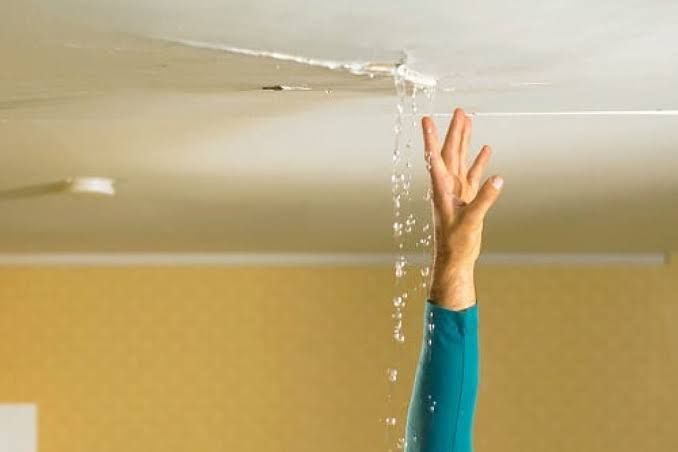
Determine whether damage comes from flooding, plumbing failure, or an appliance. The cause affects containment, drying methods, and necessary repairs to prevent a repeat incident.
Research Local Restoration Companies

Use reviews and ratings to shortlist local firms. Tacoma-based companies better understand local weather, building types, and supply logistics, which can speed response and improve outcomes.
Verify Credentials
Confirm the company holds required licences, carries liability and workers’ compensation insurance, and maintains certifications from recognised trade organisations. Proper credentials indicate adherence to standards and protect you from liability.
Assess Experience
Pick firms with demonstrated experience in similar water-damage scenarios and with local building types. Experienced technicians anticipate common problems and follow efficient, safe workflows.
Evaluate Response Time
Time is critical. Prefer companies offering 24/7 emergency service and clear average arrival times. Rapid initial mitigation lowers repair scope and reduces mold risk.
Request a Detailed Assessment
Require an on-site inspection that checks visible and hidden moisture, structural concerns, and hazards. A full assessment produces a clear scope, timeline, and cost estimate.
Inquire About Equipment and Techniques
Confirm use of industry-grade extraction tools, dehumidifiers, and moisture meters. Ask about drying sequences, containment, and measures to prevent mold—proven equipment and a methodical approach matter.
Understand the Restoration Process
Know the standard stages: assessment, water extraction, drying, cleaning, and repairs. Understanding the steps sets expectations and helps you track progress and quality.
Get a Written Estimate
Obtain an itemised, written quote that lists scope, materials, labour, and any exclusions. Written documentation lets you compare bids and avoids surprise charges.
Check for Warranties and Follow-Up Services
Confirm warranties and post-restoration inspection options. A company that offers follow-up demonstrates confidence in its work and provides protection if issues appear later.
What Are the Key Factors to Consider When Selecting a Water Damage Restoration Company?
Focus on these essentials:
- Qualifications and Certifications: Proper licences and certifications show compliance with standards.
- Experience and Customer Reviews: Look for a track record with similar jobs and positive feedback.
- Service Guarantees and Rapid Response: Guarantees and fast emergency availability are critical.
Why Is Certification and Technician Expertise Critical in Restoration Services?
Certified technicians are trained in current methods and safety protocols. Their expertise improves remediation quality and reduces health and structural risks.
How Does Local Tacoma Knowledge Impact Restoration Quality?
Local firms know building codes, climate impacts, and common local damage patterns, enabling tailored, faster solutions.
How Can You Evaluate Emergency Response and Availability of Restoration Services?
Ask about 24/7 coverage, typical arrival times, and how emergency calls are triaged. Clear communication during the initial contact indicates reliable service.
What Does 24/7 Emergency Flood Cleanup Service Entail?
Services include immediate assessment, fast water extraction, and industrial drying and dehumidification to limit damage and inhibit mold growth.
How Quickly Should Water Extraction and Drying Begin After Damage?
Extraction and drying should start as soon as possible—ideally within 24–48 hours—to reduce damage and mold risk.
Understanding the significant health implications of water damage, especially regarding mold, underscores the urgency of prompt and thorough restoration.
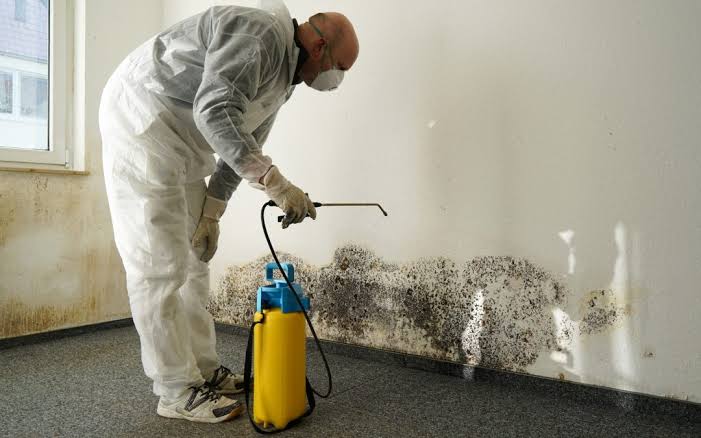
Health Risks and Preventive Measures in Water Damage Restoration Unprotected workers, first responders, homeowners, and volunteers face health risks when recovering mold-affected indoor environments after hurricanes, tropical storms, and flooding. Damp, cellulose-containing materials readily support fungal and bacterial growth. Remediation and demolition can elevate airborne concentrations of microbes and their by-products, increasing exposure risks. Reported symptoms include reactions of the airways, skin, mucous membranes, or internal organs. Dampness-related fungi are linked to allergies and respiratory conditions such as dermatitis, rhinosinusitis, bronchitis, and asthma; immune system alterations and cognitive, endocrine, or rheumatological changes have also been reported. Experts recommend minimising unnecessary fungal exposure and using appropriate personal protective equipment (PPE). Mycologists note significant mold growth can occur within 48 hours. Recommended measures include removing the moisture source, cleaning with soap and water, bulk removal of contaminated materials followed by high-efficiency particulate air (HEPA) vacuuming; avoid using biocides in occupied areas. Public health guidance calls for adequate respiratory, skin, and eye protection. Workers can be protected through dust-control measures and proper PPE; at a minimum, use a National Institute for Occupational Safety and Health (NIOSH)-approved N95 respirator. Review of health hazards and prevention measures for response and recovery workers and volunteers after natural disasters, flooding, and water damage: mold and …, E Johanning, 2014
What Should You Expect During the Water Damage Repair Process?

The repair process follows a clear sequence: assessment, water removal, drying and cleaning, then repairs to restore the property.
- Assessment: Determine damage extent and prioritize work.
- Water Extraction: Rapid removal of standing water to limit loss.
- Drying and Cleaning: Use dehumidifiers, air movers, and cleaning to prevent mold.
- Repairs: Restore damaged structures and finishes to pre-loss condition.
What Are the Step-by-Step Procedures in Water Damage Restoration?
Typical procedures include an on-site scope definition, water extraction with pumps, methodical drying with dehumidification and air movement, cleaning/sanitising, and final repairs.
How Is Mold Prevention and Remediation Integrated into Restoration?
Mold prevention is part of drying and cleanup: remove moisture sources, dry completely, perform targeted assessments, and apply appropriate treatments when necessary.
The following citation provides further insight into effective mold prevention strategies, particularly crucial in areas prone to extensive water damage.
Mold Prevention and Health Effects Following Water Damage Major hurricanes and floods increase the risk of mold contamination in buildings. This report provides guidance to minimise mold exposure and identify and prevent mold-related health effects. Where scientific certainty is limited, the guidance emphasises practical measures that prioritise human health. The evidence covers exposure assessment, cleanup and prevention strategies, personal protective equipment, health effects, and public health recommendations, with a focus on large-scale hurricane or flood aftermath. Mold prevention strategies and possible health effects in the aftermath of hurricanes and major floods, 2006
How Do Cost and Insurance Considerations Influence Choosing Restoration Services?
Check your policy for coverage, limits, and exclusions so you know what the insurer will cover. Compare written estimates to balance cost and service quality.
What Are Typical Water Damage Restoration Costs in Tacoma?
Costs vary by damage severity and services. Obtain multiple estimates to confirm a fair price for the required scope of work.
How Can You Navigate Insurance Coverage for Water Damage Repairs?
Document damage with photos and records, understand policy details, and work with your adjuster to help ensure necessary repairs are covered.
- Understanding Your Policy: Know coverage limits and exclusions.
- Documenting Damage: Photograph and record losses to support claims.
- Communicating with Your Insurer: Coordinate with your adjuster for a smooth claim process.
If you need immediate assistance, contact a restoration company such as American Standard Restoration. They specialise in emergency water damage restoration in the Tacoma, WA area and offer extraction, drying, mold remediation, and repairs with a rapid-response focus.
Frequently Asked Questions
What Should I Do Immediately After Experiencing Water Damage?
Prioritise safety: turn off power and gas if safe, stop the water source if possible, photograph damage, avoid standing water, and call a professional restoration service right away.
How Can I Prevent Water Damage in My Home?
Regular maintenance is key: inspect plumbing and roofs, keep gutters clear, install sump pumps where needed, consider leak detectors, and replace aging hoses and seals.
What Are the Signs of Hidden Water Damage?
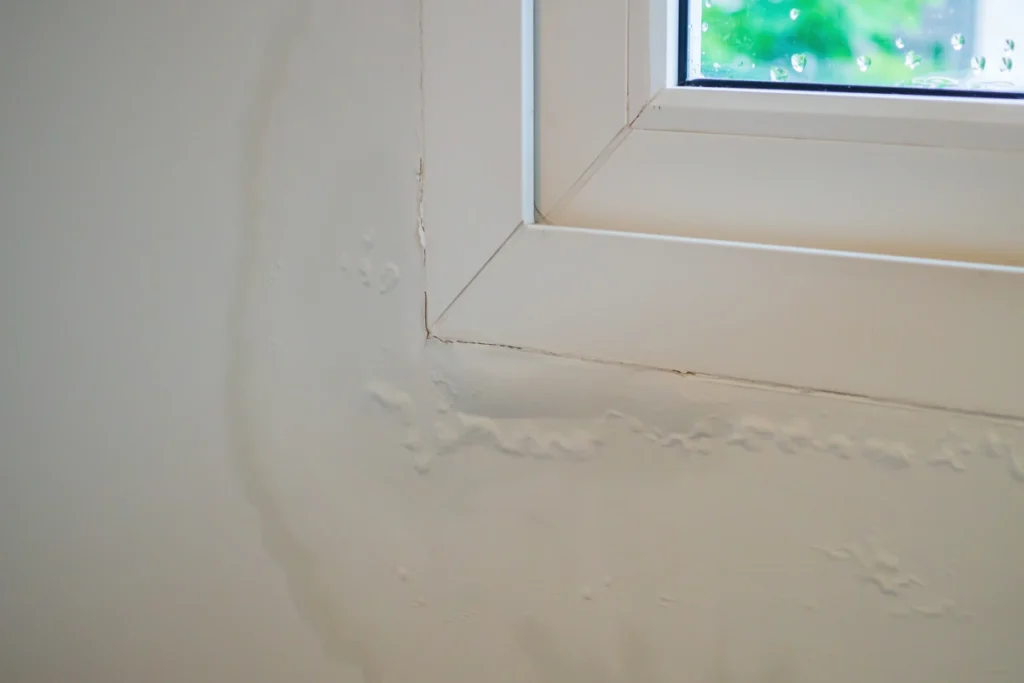
Look for musty odours, unexplained mold, discoloration, peeling paint, warped floors, damp spots, or unusual increases in your water bill. Call a professional for inspection if suspected.
How Long Does the Water Damage Restoration Process Typically Take?
Initial extraction and drying often take 24–48 hours; full repairs depend on damage extent and can range from days to several weeks. Ask your provider for a timeline.
What Should I Look for in a Water Damage Restoration Contract?
Ensure the contract includes a clear scope, itemised pricing, timelines, warranties, and statements about insurance handling and liability.
Are There Any Health Risks Associated with Water Damage?
Yes. Mold can develop quickly and cause respiratory and allergy symptoms; contaminated water can carry pathogens. Prompt professional restoration and appropriate PPE reduce health risks.
Conclusion
Choosing the right emergency water damage restoration service reduces loss and protects health and property. Use these steps to evaluate providers, secure timely mitigation, and verify follow-up support. Contact local experts for help during an emergency.