When water damage hits a Tacoma home or business, the first question is usually not about drywall, flooring, or insurance paperwork. It is about cost. How much does water damage restoration usually cost in Tacoma WA? The honest answer is that the price can vary a lot depending on the size of the loss, how quickly the water is addressed, what materials were affected, and whether the problem is limited to cleanup or has already turned into a larger reconstruction project.
For Tacoma property owners, cost matters because water problems can move quickly. A small leak under a sink in North End can become warped cabinets and damaged subflooring. A crawlspace issue in University Place or a basement backup near Hilltop can turn into a much bigger moisture problem if the drying process is delayed. That is why homeowners and business owners often look for a company that can respond fast, inspect thoroughly, and explain what really needs to happen next.
American Standard Restoration positions its Tacoma water damage service around complete restoration support, including water extraction, structural drying, moisture detection, and flood cleanup. The company’s Tacoma service page also makes clear that costs depend on the affected area, the amount of water, the materials damaged, and whether mold prevention or repairs are required. That is the most practical way to think about pricing: restoration is not a single flat fee, but a chain of services built around the damage in front of you.
To understand what water damage restoration usually costs in Tacoma, it helps to look at the process the right way. There is the emergency response, the water removal, the drying phase, the inspection and moisture mapping, the sanitation step, and then the repair or rebuild phase if needed. Each stage influences the total bill. In some cases, the job stops after drying and cleaning. In other cases, demolition and reconstruction are necessary because water has already penetrated walls, flooring, or insulation.
Many Tacoma neighborhoods and landmarks are vulnerable to the same broad risk factors: heavy seasonal rain, aging plumbing, roof leaks, appliance failures, and overflow from backed-up drains. A property near Point Defiance, along the corridor by Interstate 5, or close to the University of Washington Tacoma campus may face different building styles and drainage conditions, but the core issue is the same. Water damage that is ignored becomes more expensive. Water damage that is handled immediately is usually less disruptive and less costly.
If you are comparing estimates, it is helpful to focus on what is included. Some restoration companies may quote only extraction and drying. Others include documentation, containment, deodorization, and direct communication with insurance adjusters. A lower number up front may not be the lower number overall if hidden moisture remains behind walls or if the home needs additional repairs later. In a water loss, the cheapest option is not always the least expensive outcome.
For Tacoma residents, the smartest first step is a thorough inspection. The crew should identify the source of the water, determine whether it is clean, gray, or contaminated, measure moisture levels in affected materials, and explain what can be salvaged. That is how an accurate restoration estimate is built. It is also how unnecessary demolition can be avoided. A proper assessment protects both your home and your budget.
What drives water damage restoration cost in Tacoma
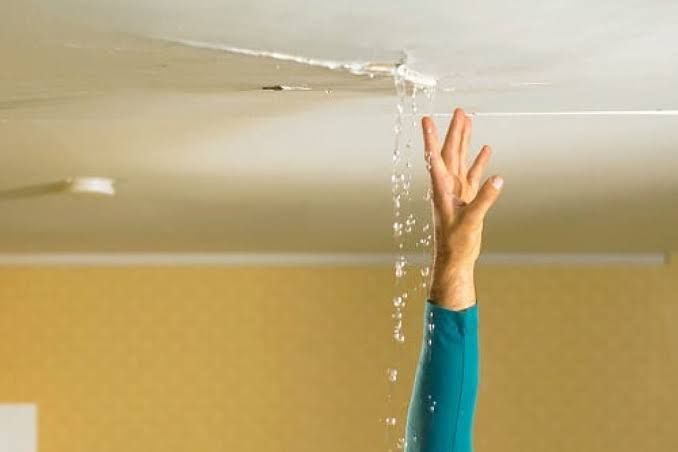
The biggest cost drivers are almost always the same, but they show up in different ways depending on the property. The size of the affected area is usually the first factor. A single bathroom leak is much simpler than a whole first floor that has been soaked through. The amount of water matters too. A slow leak from a supply line may create hidden damage over time, while a sudden pipe break can saturate carpet, padding, drywall, and baseboards within minutes.
Material type plays a major role. Hardwood floors, carpet, laminate, drywall, insulation, and cabinetry all behave differently when exposed to water. Carpet may be salvageable if it is dried quickly. Hardwood might require controlled drying to reduce cupping or warping. Drywall can sometimes be saved if the moisture exposure is limited, but if the material is saturated for too long, removal is often necessary. Cabinetry, trim, and structural framing can all add cost when they are affected.
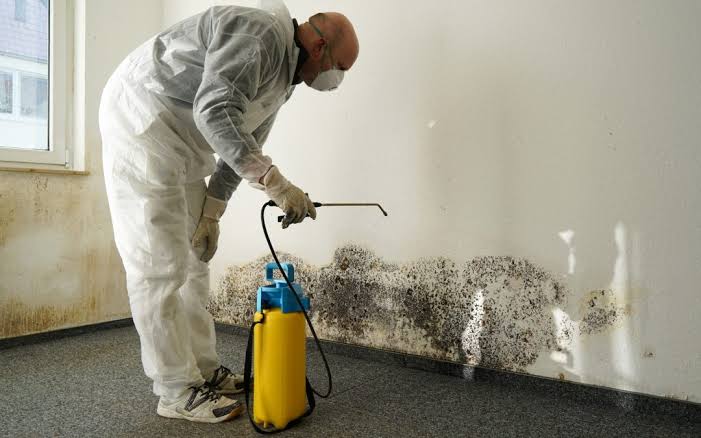
Water category also influences the price. Clean water from a broken supply line is generally less complicated than water from a washing machine backup or sewer-related contamination. Contaminated water increases the need for protective procedures, sanitation, and disposal. If mold prevention or microbial treatment is needed, the project becomes more specialized. In Tacoma’s damp climate, that kind of attention is often important because moisture that remains trapped inside building materials can create long-term problems.
Another factor is access. A leak under a kitchen sink is one thing; a crawlspace with poor access, low clearance, and hidden plumbing is another. Multi-story buildings, older homes, and commercial spaces may require more labor and more equipment. If equipment must run longer because of the layout or humidity conditions, costs may rise. Time also matters, because a rapid response can reduce damage while delayed response often increases both demolition and drying needs.
Finally, repairs change the total budget. Extraction and drying may be one phase, but if flooring, drywall, trim, insulation, or paint must be replaced, the final cost climbs. That is why homeowners in Tacoma should think in terms of restoration scope, not just emergency cleanup. A company that can manage both mitigation and repair planning may help reduce surprises along the way.
Typical cost ranges and why estimates vary
There is no single flat price for water damage restoration in Tacoma WA because every loss is different. A small cleanup after a localized leak will cost much less than a multi-room incident with damaged flooring and wall replacement. The variation comes from the same set of practical issues: square footage, water volume, materials impacted, contamination level, and the time needed to dry the building safely.
For minor incidents, the work may involve extraction, light drying, and moisture monitoring. These jobs often move quickly if the source is caught early. Moderate losses may include more equipment, more labor, and selective demolition if drywall or baseboards were soaked. Major losses may involve structural drying, removal of damaged materials, sanitation, odor treatment, and reconstruction. In other words, the price rises as the job moves from cleanup to full restoration.
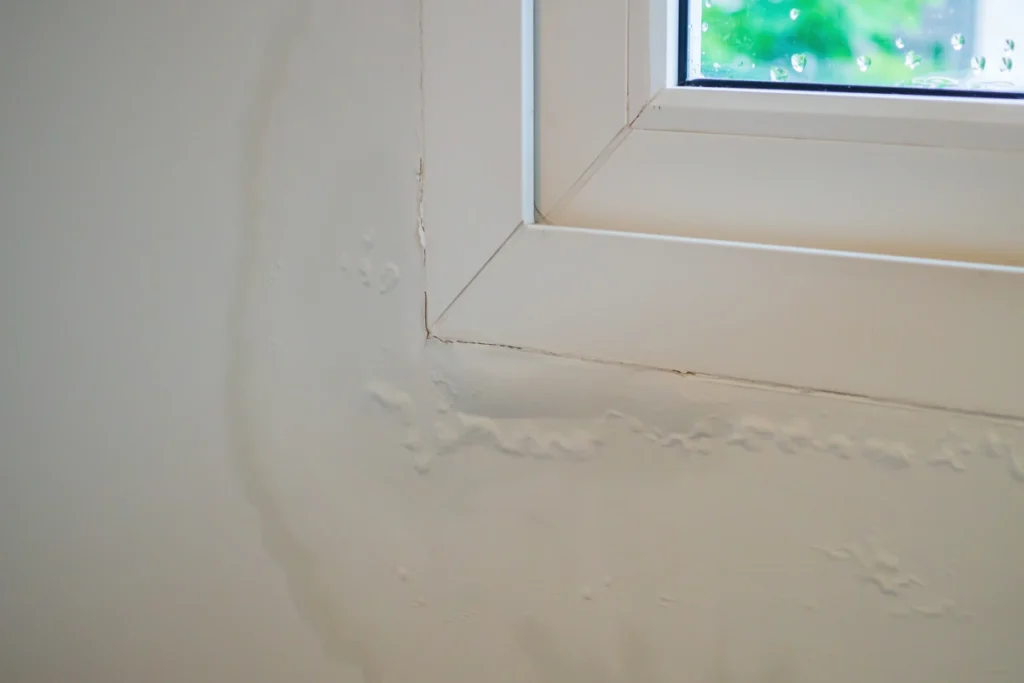
What often confuses property owners is that two homes can look similar on the outside and still require very different restoration budgets. One home might have water limited to a bathroom floor with minimal seepage. Another home might have the same visible puddle but hidden saturation inside the wall cavity or under the subfloor. Because water travels, the visible damage is not always the full damage. That is why moisture detection is one of the most important parts of the process.
In Tacoma, weather and building age can make estimates even less predictable. Older properties may have materials that are more sensitive to water intrusion. Homes near the waterfront or in low-lying areas may also deal with persistent humidity, which can extend drying time. Commercial spaces, meanwhile, may have more square footage, more furnishings, and tighter timelines. The estimate should reflect those realities instead of relying on a generic average.
The best estimate is the one built after inspection, not before it. A proper evaluation should include visual assessment, moisture readings, and a plan for extraction, drying, and any needed repair work. If you are gathering multiple quotes, compare what each company includes, how fast they can respond, and whether they are explaining the restoration sequence clearly. The lowest estimate is not always the best value if it omits crucial steps.
Why fast response can lower the final bill
One of the simplest ways to control restoration cost is to act quickly. The longer water sits, the farther it spreads. Moisture can move into wall cavities, under cabinets, beneath flooring, and into insulation. Once that happens, drying becomes more complicated and demolition is more likely. A fast response can limit the size of the project and reduce the need for expensive repairs.
Speed also helps with mold prevention. In a place like Tacoma, where damp seasons are part of life, lingering moisture is especially risky. A home may look dry on the surface while hidden dampness remains inside structural materials. If that moisture is left in place, microbial growth becomes more likely, and the restoration process becomes both more involved and more costly.
There is also a labor-efficiency factor. When a restoration crew arrives early, they can often isolate the problem area, remove standing water, begin drying, and monitor progress before the damage advances. That can protect flooring, trim, and nearby belongings. It can also make the insurance process cleaner because documentation begins before conditions change too much.
For homeowners near busy Tacoma corridors like Pacific Avenue, 38th Street, or the South Tacoma Way area, quick action matters after storms, supply line failures, or appliance leaks. The faster the issue is identified, the more likely the property can be stabilized without a large-scale rebuild. In practical terms, fast response often means less demolition, less labor, less equipment time, and less disruption to your life.
That is why emergency restoration services are so important. Restoration is not only about removing water. It is about stopping the damage from evolving into a larger, more expensive problem. Once the source is controlled and drying begins, the project usually becomes easier to manage.
What a full water damage restoration project usually includes
A complete water damage restoration project is more than a mop and a few fans. It is a structured process. The first step is inspection and damage assessment. The crew identifies the source of the water and determines the affected materials. Next comes extraction, which removes standing water from the property as quickly as possible. Then structural drying begins, often with air movers and dehumidification equipment placed strategically throughout the space.
Moisture detection is another critical step. Hidden saturation is often the reason a property needs follow-up work later. Professionals use meters to check walls, flooring, framing, and subfloors. If they find trapped moisture, they adjust the drying plan. That kind of monitoring is important because drying should be based on data, not guesswork.
Sanitation may also be required, depending on the type of water involved. Some projects need cleaning and deodorization after contamination or odor buildup. If materials were heavily affected, controlled demolition may be required to remove damaged drywall, insulation, or flooring. That is not a sign of failure; it is often what prevents bigger problems later.
Once the property is dry and stable, repair and reconstruction can begin if needed. That may include replacing drywall, reinstalling flooring, repainting, or addressing structural concerns. In some cases, the restoration company handles the full project. In others, they focus on mitigation and then coordinate with additional trades for rebuilding. Either way, the cost depends heavily on how much of the property was affected and how much material must be restored or replaced.
American Standard Restoration describes its Tacoma service as complete water damage restoration, which is useful for property owners who want one team to help guide the process from extraction to drying to cleanup. If you are comparing providers, that kind of end-to-end capability can reduce confusion and help you understand where the dollars are going.
How Tacoma location and property type affect costs
Tacoma is not one uniform market. Costs can differ because the city includes a mix of older homes, newer developments, commercial buildings, coastal conditions, and varied drainage patterns. A historic house in the North End may need more careful material handling than a newer property in South Tacoma. A condo near downtown Tacoma may have different access considerations than a single-family home in Fircrest or Browns Point. A retail space near Tacoma Mall may require faster turnaround because downtime affects business operations.
Local geography matters too. Properties closer to Commencement Bay, shoreline areas, or low-lying neighborhoods may deal with humidity and water intrusion differently than homes on higher ground. Roof runoff, gutter performance, foundation drainage, and crawlspace conditions all affect the scope of the restoration. Tacoma’s climate adds another layer because the region sees enough moisture that quick drying and good ventilation are important after any water event.
Building age is another practical factor. Older Tacoma homes may have materials that do not respond well to prolonged saturation. They can also have outdated plumbing or less effective drainage systems. By contrast, newer properties may have more modern finishes but can still suffer significant losses if water gets into engineered flooring, drywall, or insulation. The structure of the home matters just as much as the leak itself.
Commercial buildings can be even more complex. Office spaces, warehouses, restaurants, and multi-tenant properties often have larger square footage and more equipment to protect. They also have more pressure to reopen quickly. In those settings, restoration costs may include after-hours work, larger dehumidification setups, and additional coordination with property managers or tenants. That is why commercial water damage costs are often tied to both the physical damage and the business interruption.
For Tacoma property owners, the key takeaway is simple: local conditions shape the restoration plan. A good company does not start with a generic number. It starts with the property, the source of water, and the actual materials affected. That leads to a more accurate estimate and a better chance of avoiding unnecessary expense.
How to protect yourself when comparing estimates
Comparing water damage estimates can feel overwhelming, especially if you are dealing with a stressful leak or flood. The best way to evaluate bids is to understand what each one includes. Ask whether the estimate covers extraction, drying, moisture monitoring, sanitation, demolition, or only one piece of the process. If one quote is much lower than the others, make sure it is not missing essential services.
Ask whether the company performs moisture detection and uses it to guide the work. Hidden moisture is one of the biggest reasons restoration projects fail. You also want to know whether the company can explain the difference between salvageable materials and materials that must be removed. A transparent estimate should show you why each action is necessary.
It is also reasonable to ask about response time. In restoration, speed is part of the value. A team that can get there quickly may prevent more damage than a team that offers a lower rate but arrives too late. Equipment, labor, and drying time all matter, but so does the ability to start the process before the problem expands.
Documentation matters too. If you may file a claim, you want a company that records moisture readings, damaged areas, and the work performed. That information supports insurance conversations and helps you understand what was done. Trustworthy restoration companies are usually comfortable explaining their process in plain language.
Ultimately, the right estimate is the one that helps you restore the property properly, not just cheaply. The goal is to return your Tacoma home or business to a safe, dry, usable condition with as little avoidable damage as possible.
How insurance can affect your out-of-pocket cost
Insurance does not eliminate the complexity of water damage, but it can affect your final expense significantly. The first thing to understand is that coverage depends on the cause of the damage, the policy language, and how quickly you reported the loss. A sudden and accidental event may be treated differently than gradual damage from a long-term leak. That distinction can influence what the insurer pays.
Documentation is important because insurers want to understand the source, the extent of damage, and the steps taken to stop further loss. That is why photographs, moisture readings, and written notes matter. A restoration company that documents the work thoroughly can help support the claim process and reduce confusion later.
In many cases, insurance may help pay for mitigation, drying, and approved repairs, but policyholders still need to consider deductibles and any non-covered items. Contents, personal property, and certain types of repairs may be handled differently from structural mitigation. If the claim is complex, it can be useful to ask the restoration provider how they help customers navigate the process.
Tacoma homeowners should also remember that fast reporting often helps. Waiting can make it harder to determine exactly what happened and when. If you think your loss may be covered, document the scene and contact your insurer promptly. Then move immediately to stop the damage from getting worse.
Insurance is not just a billing issue. It is part of the restoration strategy. The more clearly the damage is documented, the easier it is to align the cleanup and repair plan with your policy and reduce avoidable out-of-pocket surprises.
What Tacoma property owners should do right away after water damage
If water damage is discovered, the first priority is safety. Shut off the water source if possible. If the water is near electrical outlets, appliances, or wiring, do not enter the area until it is safe. Next, protect valuables if you can do so without risk. Move furniture, rugs, and important items away from the wet area if possible.
Then call a water damage restoration professional quickly. The faster the response, the more likely the damage can be limited. If you are in Tacoma and the problem is serious, do not wait until the next day. Even one night of standing water can make a simple cleanup become a larger restoration project.
Take photos if it is safe to do so. These images can help with both records and insurance. Avoid starting major demolition yourself unless a professional advises it. Removing the wrong materials too soon can create additional issues or complicate the claim. It is usually better to stabilize the situation, document it, and get a qualified team on site.
Once the crew arrives, ask for a clear explanation of the drying plan, the expected scope, and the likely next steps. Good communication is part of trustworthy service. You want to know what is happening now, what happens next, and what factors could affect the final cost.
Taking these steps quickly can protect your home, reduce your restoration bill, and lower the chances of mold or structural complications. In water damage, speed and clarity are often the difference between inconvenience and major expense.
Frequently Asked Questions
How much does water damage restoration usually cost in Tacoma WA?
There is no single fixed price because the cost depends on the extent of the water damage, the materials affected, and how quickly the problem is addressed. A small leak that is caught early may require only extraction, drying, and monitoring. A larger event involving multiple rooms, drywall, flooring, or hidden moisture will cost more because it requires more labor and more equipment. In Tacoma, local conditions such as older homes, damp weather, and crawlspace issues can also affect the final price. The most accurate way to estimate cost is through a professional inspection that measures moisture and identifies the full scope of the loss.
What is included in a water damage restoration estimate?
A strong estimate usually includes inspection, water extraction, structural drying, moisture detection, sanitation if needed, and any recommended demolition or repairs. Some estimates also include documentation for insurance purposes and follow-up monitoring until the property reaches acceptable moisture levels. The key is to look beyond the total number and see exactly what is being offered. In water damage work, a low quote can be misleading if it leaves out essential steps like moisture mapping or proper drying. A good estimate should explain what is salvageable, what must be removed, and why each step is necessary to protect the building.
Why do Tacoma water damage costs vary so much from one home to another?
Costs vary because every property has different materials, layouts, and damage patterns. A bathroom leak in a newer home may be limited and easy to dry, while a similar leak in an older Tacoma house may have spread into hidden cavities, insulation, or subflooring. The type of water also matters. Clean water is simpler than contaminated water, and that changes labor and sanitation needs. Accessibility, square footage, and whether reconstruction is required all affect price too. Because water travels, visible damage may be only part of the problem, so the final cost depends on what is discovered during inspection.
Is it cheaper to dry out water damage quickly?
Yes, fast response usually lowers the overall cost because it limits how far the water spreads. The longer water sits, the more likely it is to soak into drywall, flooring, cabinets, and framing. That increases the chance of demolition, mold prevention treatment, and reconstruction. Quick action can also reduce drying time and protect salvageable materials. In Tacoma, where weather can already create moisture challenges, speed is especially valuable. The sooner a professional starts extraction and drying, the more likely the restoration can stay focused on mitigation instead of becoming a major rebuild project.
Does water damage restoration include mold prevention?
Often, yes, especially when moisture has been present long enough to create a risk of microbial growth. Mold prevention may involve thorough drying, targeted cleaning, and monitoring to ensure hidden moisture is not left behind. In a damp region like Tacoma, this step is important because even small pockets of trapped moisture can create long-term problems. The exact approach depends on the situation. A clean, small leak may need only drying and inspection, while a larger or more contaminated loss may require more extensive sanitation and removal of damaged materials. Ask the restoration company how they handle moisture control and prevention during the job.
Can water-damaged floors or drywall be saved?
Sometimes, yes, but it depends on how long the materials were wet and what type of material it is. Carpet may be salvageable if extracted and dried quickly. Hardwood can sometimes be preserved with controlled drying, although it may still show warping if the exposure was severe. Drywall may be saved if the wetting was limited and drying begins fast enough, but saturated drywall often needs removal. Insulation usually has a much lower salvage rate when it has absorbed significant water. A professional assessment is the best way to determine what can be kept and what needs to be replaced.
What should I do before the restoration crew arrives?
If it is safe, shut off the water source and avoid walking through standing water near electrical hazards. Move valuables or furniture away from the wet area if you can do so without risking injury. Take photos of the damage for your records and for insurance documentation. Do not begin major demolition on your own unless a professional advises it, because removing materials too early can create more damage or complicate the claim. Your goal before the crew arrives is to reduce immediate risk, preserve evidence of the loss, and prevent the water from spreading further while waiting for professional help.
How long does water damage restoration usually take?
The timeline depends on the amount of water, the materials involved, and whether repairs are needed after drying. A small, localized loss may be stabilized relatively quickly, while a larger project with hidden moisture or demolition can take much longer. Drying alone may require several days of monitoring, especially in a humid environment or in a structure with poor airflow. If reconstruction is needed, the full project timeline extends further. The most important factor is not rushing the process before the building is dry. Proper moisture control is what prevents long-term problems and repeat damage.
Do I need professional help for a small leak?
In many cases, yes, especially if the leak reached flooring, drywall, cabinets, or hidden spaces. Small leaks can look harmless at first but still leave moisture trapped where you cannot see it. That hidden water can lead to bigger repair costs later. A professional can determine whether the affected materials are dry enough to keep or whether they need removal. They can also confirm that the source has been fixed and that no additional moisture remains. Even a small leak can become expensive if it is ignored, so a professional inspection is often a smart investment.
How does American Standard Restoration approach Tacoma water damage jobs?
The Tacoma service described by American Standard Restoration focuses on complete water damage restoration, including water extraction, structural drying, moisture detection, and flood cleanup for residential properties. The company also explains that cost depends on the size of the affected area, the amount of water, the materials damaged, and whether mold prevention or repairs are needed. That approach is useful because it starts with assessment rather than guesswork. For Tacoma property owners, a complete process matters because the goal is not only to remove water but to restore the space safely and thoroughly.
What is the best way to get an accurate water damage estimate in Tacoma?
The best way is to schedule a professional inspection as soon as possible after the water event. The provider should inspect visible damage, measure moisture in affected materials, identify the source of the water, and explain what work is required to dry and restore the property. A reliable estimate should also clarify whether repairs are included or whether the project is focused on mitigation only. In Tacoma, where humidity and building styles can complicate drying, an in-person assessment is much more accurate than a phone guess. The more detailed the inspection, the more reliable the estimate will be.
If you need a clear next step, start with a fast inspection and a full restoration plan. For Tacoma property owners, the most important part of managing water damage is not waiting for the problem to grow. A prompt response, a complete evaluation, and a transparent scope of work can make a major difference in both cost and outcome. When you are ready to learn more about the company’s core services, review the American Standard Restoration Tacoma water damage specialists, the Tacoma water damage restoration service details and cleanup process, and the trusted Tacoma restoration reviews and emergency response reputation before you decide how to move forward.