When water gets into a home or business in Tacoma, the question usually is not whether cleanup is needed. The real question is how much it will cost to fix the damage correctly, safely, and fast enough to prevent bigger problems. Water damage restoration costs in Tacoma, WA can vary widely because the price depends on the source of the water, the amount of affected material, how quickly the loss is addressed, and whether the job includes drying, demolition, odor control, sanitizing, mold prevention, and reconstruction. For property owners near North End, South Tacoma, Proctor, Hilltop, the Stadium District, University Place, Lakewood, and the neighborhoods around Interstate 5, SR 16, and major commercial corridors, the cost is often shaped by access, building type, and how far the water has spread before help arrives.
At American Standard Restoration in Tacoma, WA for fast, trusted help, water damage restoration is positioned as a complete service rather than a single task. That matters because restoration is not just about removing visible water. It is about detecting hidden moisture, drying structural materials, protecting indoor air quality, and returning a property to a stable condition. If you are trying to budget for a water loss in Tacoma, the most helpful way to think about cost is in phases: emergency response, water extraction, drying and dehumidification, damaged-material removal, cleaning and disinfecting, repairs, and final reconstruction. Each phase can change the final price depending on the severity of the situation.
What drives water damage restoration cost in Tacoma
The biggest factor in cost is the category and extent of the water. Clean water from a broken supply line is usually less expensive to address than gray water from an appliance overflow or black water from sewage backup. Clean water can often be extracted and dried with less demolition when the response is immediate. Contaminated water usually requires more protective procedures, more cleaning steps, and stricter disposal protocols. The longer water sits, the more materials absorb moisture and the higher the chance that drywall, insulation, trim, subflooring, cabinetry, and flooring will need removal. In a Tacoma home with hardwood floors, carpet, laminate, tile, or mixed materials, the restoration plan can look very different from room to room.
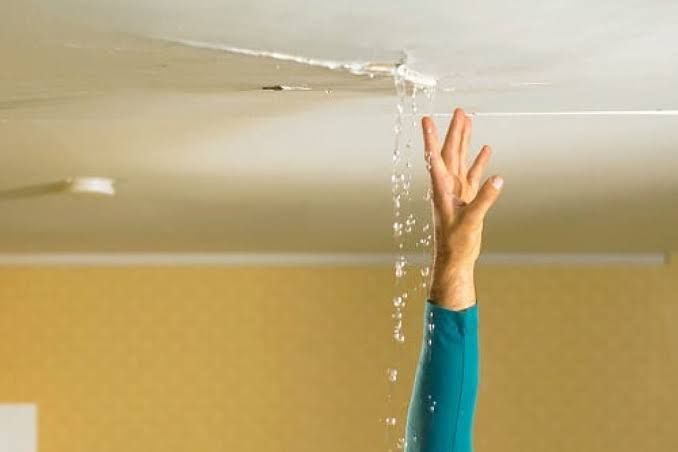
Another major factor is how much of the structure is involved. A small bathroom leak contained to one vanity wall is a very different project from a burst pipe that runs through a hallway, kitchen, laundry room, and downstairs ceiling. Water that reaches multiple rooms may require more extraction equipment, more drying machines, more monitoring visits, and a larger labor footprint. Multi-story homes in neighborhoods like North End or the steep hillside areas around Stadium District can also be more complex because water migrates through cavities, framing members, and ceilings in ways that are not immediately visible.
Material type also influences cost. Drywall and baseboards may be inexpensive to remove, but insulation, custom trim, built-ins, engineered flooring, and cabinetry can increase the total. Finished basements, crawl spaces, and older Tacoma properties with legacy construction details may require extra care during demolition and drying. Properties near Commencement Bay, West Tacoma, and low-lying areas can also face repeated moisture issues if the source is not identified and corrected. In those cases, restoration cost includes not just drying the structure but helping prevent the same event from returning.
Typical cost ranges and what they usually include
Water damage restoration pricing can be broken into service categories rather than one fixed number. Emergency inspection and moisture assessment often come first. After that, technicians may perform water extraction using pumps and vacuums, place air movers and dehumidifiers, remove unsalvageable materials, and document moisture levels until the building is dry. If the loss involved contaminated water, the process can include cleaning and disinfecting affected surfaces, deodorization, and added safety steps. Final cost then depends on whether the job stops at mitigation or continues into repairs such as drywall replacement, painting, flooring, cabinetry, and finish carpentry.
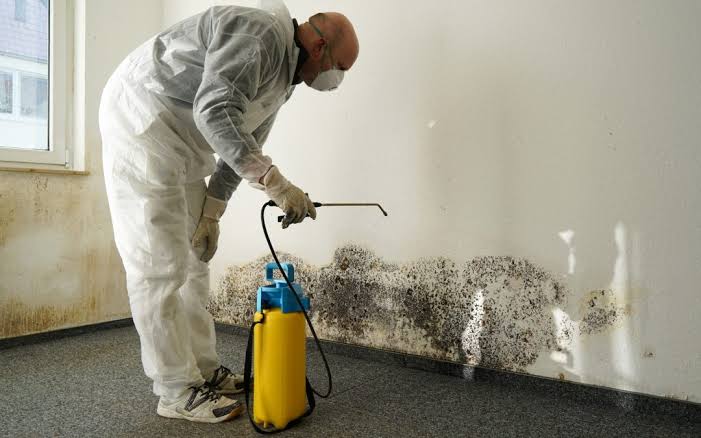
For many Tacoma property owners, the smallest water jobs are the least expensive because they are limited in scope and addressed quickly. A localized overflow or small supply line leak may involve a same-day response, extraction, and a short drying period. Larger jobs can grow quickly when water has penetrated below the surface or when a hidden leak has been active for days. In those situations, the cost reflects both the labor and the risk reduction. Proper drying is cheaper than fixing mold, warped framing, rotted subfloors, or long-term odors later.
It is also important to separate mitigation from reconstruction. Mitigation is the emergency work that stops the damage from getting worse. Reconstruction is the building repair work that brings the property back to pre-loss condition. A homeowner in Tacoma may think of the price as one bill, but in practice the work often unfolds in stages. This is especially true for homes near busy corridors like South 38th Street, I-5, and the Tacoma Dome area, where occupants may want fast stabilization first and later schedule repairs after the property is dry and safe.
Why fast response can save money
Speed is one of the strongest cost factors in water restoration. The sooner water is removed, the less time it has to soak into porous materials and spread behind walls or under flooring. When response is delayed, materials that could have been dried may instead need demolition. That increases labor, disposal, replacement, and finishing costs. Fast response also reduces the chance that secondary damage, like mold growth or structural deterioration, will create another bill later.
In Tacoma’s damp Pacific Northwest climate, delayed drying is especially risky. Even when the original water source is small, ambient humidity can slow natural evaporation and keep materials wet longer. That means a small leak in a home near Point Defiance, Ruston, or the waterfront may become a larger restoration project if the property is not mechanically dried. Professional drying is more controlled than opening windows and hoping conditions improve. It uses equipment to move air, remove moisture, and monitor the structure so the building reaches acceptable dry standards instead of just appearing dry on the surface.
Fast response also matters for business owners. A retail shop, office, or multifamily property can lose more than materials if the downtime stretches on. If a tenant space, storefront, or apartment unit is affected, the overall cost may include business interruption, occupant displacement, and the logistical complexity of working around other residents or customers. For Tacoma landlords and managers, preventing the spread of damage often lowers the total project cost far more than trying to save time with an underpowered cleanup.
What a professional Tacoma restoration company should do
A dependable restoration company should do more than extract water and leave. A complete process begins with assessment and documentation. That includes determining the source of the water, identifying the affected areas, mapping moisture with appropriate tools, and deciding what can be dried versus what must be removed. Then comes extraction, drying equipment placement, and ongoing monitoring until the moisture levels are brought down. If the job involves contaminated water or strong odors, cleaning and sanitizing should follow established procedures. The goal is not only visible cleanliness but also structural stability and a healthier indoor environment.
The service page for Water Damage Restoration in Tacoma, WA by American Standard Restoration emphasizes complete restoration services, including water extraction, structural drying, moisture detection, and full flood cleanup for residential and commercial properties. That range matters because homeowners often need a single team to manage the entire mitigation phase. When the same company can handle extraction, drying, and cleanup, the process is easier to coordinate and the homeowner gets a clearer picture of what the project requires.
Trustworthy companies also explain what is being done and why. They should identify the source of the water, point out visible and hidden damage, and tell you whether demolition is necessary. They should also be prepared to communicate how long drying will take and what the next steps are after mitigation. Good communication is a big part of cost control because it prevents confusion, duplicate work, and unnecessary emergency decisions. For property owners in Tacoma, clear expectations can make the difference between a stressful but manageable project and a chaotic one.
Local Tacoma conditions that affect restoration pricing
Tacoma properties are not all built the same, and the local environment adds variables that matter. Older homes near Proctor, the North End, Old Town, and historic districts may have construction details that make access more difficult. Sloped lots can allow water to move in unexpected directions. Homes with crawl spaces may require special drying strategies below the floor system. Finished basements and converted attic spaces can also conceal damage in insulation or cavities. Townhomes and condominiums near commercial centers or along major routes can involve shared walls, HOA rules, and building access restrictions that affect labor and scheduling.
Weather also plays a role. Rainy seasons can keep outdoor humidity elevated, which slows natural drying. Wind-driven storms and saturated ground can contribute to seepage, roof leaks, window leaks, and drainage issues. Near Tacoma landmarks like Point Defiance Park, Wapato Park, Wright Park, the Tacoma Narrows corridor, and the waterfront, conditions can vary from one property to the next because of microclimates, slope, and building exposure. Even within the same ZIP code, two homes may need very different restoration strategies.
Commercial properties add another layer. Restaurants, offices, medical spaces, retail stores, schools, and warehouses may have larger square footage, more equipment, and stricter sanitation needs. A water loss in a commercial space near the Tacoma Mall area, downtown, or the industrial district may require after-hours work, coordinated access, and documentation for insurance or facility management. Those factors can increase total cost, but they can also reduce the downstream cost of downtime if the cleanup is handled correctly.
How insurance can affect out-of-pocket cost
Many water damage claims are handled through homeowners insurance, renters insurance, commercial property insurance, or a combination of property and liability coverage depending on the cause of loss. Whether the claim is covered depends on the policy language and what caused the damage. Sudden and accidental water events are often handled differently from long-term seepage, neglected maintenance, or flood-related loss. In Tacoma, that distinction matters because a burst pipe, appliance failure, or sudden roof penetration may be treated differently than groundwater intrusion or an unresolved leak.
Insurance can lower the out-of-pocket cost if the claim is approved, but it does not remove the need for prompt mitigation. In fact, carriers usually expect property owners to take reasonable steps to reduce further damage. That means extraction, drying, and containment should begin quickly. Detailed documentation of the affected areas, moisture levels, and damaged materials can help support the claim and make the process smoother. A restoration company that understands documentation can reduce confusion and help the homeowner focus on recovery instead of paperwork.
Still, every policy is different. Deductibles, limits, exclusions, and the distinction between mitigation and reconstruction all affect what the owner pays. A homeowner may find that some cleanup costs are covered while certain repairs are handled separately. When budgeting, it is wise to ask what is included in the immediate response, what may be billed later, and what repair work would be considered beyond the initial restoration phase. Clarity on those points can prevent surprises.
When the cheapest option becomes the most expensive
One of the biggest mistakes property owners make is choosing the lowest upfront price without understanding what is included. A low quote may leave out moisture detection, hidden-damage checks, disinfecting, dehumidification, or follow-up monitoring. If the structure is not dried thoroughly, problems can reappear after the first crew leaves. That means a second round of repairs, higher labor costs, and more disruption. Saving a little at the start can become far more expensive in the end.
This is especially true when hidden water is involved. If an apparent surface leak has reached subflooring, framing, or wall cavities, the visible damage is only part of the story. A proper restoration company should inspect behind the scenes and not just treat what is easy to see. In Tacoma homes, where winter moisture and older building materials can complicate dry-out times, cutting corners can create ongoing odor, soft floors, swollen trim, and mold concerns. The most affordable restoration is usually the one that solves the problem the first time.
Choosing a company with a clear process also helps with predictability. When the team explains the scope, gives updates, and documents changes as work progresses, you can make better decisions about repairs and insurance. That kind of transparency is valuable because it turns a stressful emergency into a structured project with known milestones.
A practical budgeting framework for Tacoma homeowners
If you are trying to estimate your water damage restoration cost, think in terms of severity rather than hoping for a one-size-fits-all answer. Ask how large the affected area is, whether the water is clean or contaminated, how long the water has been present, and whether the damage has gone into walls, ceilings, or flooring. Also consider whether the property has special materials, limited access, or occupancy concerns. A small, localized loss might stay relatively manageable. A larger, hidden, or contaminated loss can move quickly into a full mitigation and reconstruction project.
It also helps to separate urgent needs from optional upgrades. First priority is stopping the leak, extracting water, and drying the structure. Second priority is removing damaged materials and disinfecting what remains. Only after the structure is stable should final repairs and cosmetic work be scheduled. That approach protects your budget because you only replace what cannot be saved. It also protects the property by making sure the building is truly dry before finishes go back in.
For Tacoma residents dealing with sudden damage in real time, a clear, local response is often the best financial move. A company familiar with the city’s neighborhoods, building styles, and weather-related risks can react faster and more accurately. That local knowledge matters whether the affected property is near the University of Washington Tacoma campus, close to the Tacoma Dome, around the 6th Avenue corridor, or in a residential street off Pacific Avenue. Experience with the area helps shorten delays and reduce unnecessary work.
How to decide whether a project is worth professional restoration
Some people assume they can dry a property themselves if the water does not look too serious. That can work for very small, immediately addressed spills on nonporous surfaces. But once water reaches carpet padding, drywall, insulation, subflooring, or electrical areas, professional equipment and training become far more valuable. Hidden moisture is the part that causes most expensive long-term damage. In many cases, the money saved by handling a job poorly is lost later in repairs.
Professional restoration is usually worth it when the water source is uncertain, the area is larger than a small room, the water is contaminated, or the property has finished materials that could be permanently damaged by leftover moisture. If the incident is in a multi-unit building, commercial space, or older Tacoma home with unique construction features, expert assessment becomes even more important. The right restoration team can identify what is salvageable and what must be removed, which keeps the project efficient and defensible.
Think of the service as protecting both the building and the people in it. Drying a structure properly can reduce health concerns, preserve indoor air quality, and prevent expensive secondary damage. When viewed that way, the cost is not just about cleanup. It is about restoring function, safety, and peace of mind.
Frequently Asked Questions
How much does water damage restoration cost in Tacoma, WA?
The cost of water damage restoration in Tacoma, WA depends on the size of the loss, the type of water involved, how quickly the issue is addressed, and whether repairs are needed after mitigation. A small leak that is caught early may require extraction, drying, and limited cleanup. A larger loss with hidden moisture, contaminated water, or structural damage can cost much more because it may require demolition, disinfecting, odor control, and reconstruction. The best way to think about pricing is as a combination of emergency response, drying, material removal, and repair work. Every property is different, especially in Tacoma where building age and weather exposure can vary significantly.
What makes some water damage jobs more expensive than others?
The biggest cost drivers are water category, affected square footage, material type, and how long the water has been present. Clean water from a burst pipe is usually less expensive to address than sewage backup or storm-related contamination. Jobs become more costly when the water has spread behind walls, under flooring, or into ceilings because more labor and equipment are needed to dry the structure properly. Homes with hardwood, custom cabinetry, or finished basements often require more careful work. In Tacoma, older homes and multi-story layouts can also increase labor time because access and hidden moisture issues are often more complicated than they first appear.
Does insurance usually cover water damage restoration?
Insurance may cover water damage restoration if the cause of loss is sudden and accidental, such as a burst pipe, appliance failure, or unexpected plumbing issue. Coverage depends on the policy language, the cause of the damage, and the type of property insurance in place. Long-term leaks, poor maintenance, and flood-related damage are often treated differently. Even if a claim is pending, mitigation should usually begin right away because insurers expect owners to reduce further damage. That is why documentation, moisture readings, and detailed records are so important. The exact amount you pay out of pocket depends on deductibles, limits, exclusions, and what the policy considers repair versus mitigation.
How quickly should water damage be cleaned up?
Water damage should be addressed as soon as possible, ideally within hours. The longer water remains in a structure, the more likely it is to soak into building materials and create secondary problems like mold growth, swelling, odor, and structural deterioration. In Tacoma’s damp climate, delays can be especially problematic because natural drying is slower than in drier regions. Fast extraction and mechanical drying can often reduce the amount of demolition needed and may lower the total restoration cost. Even if the water looks minor, hidden moisture can spread into areas you cannot easily see. Prompt professional assessment is one of the most effective ways to control cost.
What does a water damage restoration company actually do?
A professional restoration company typically handles the full mitigation process, which includes inspection, moisture detection, water extraction, structural drying, removal of unsalvageable materials, cleaning, disinfecting, and ongoing monitoring. Some companies also help with reconstruction after the structure is dry. The goal is to stop the damage from spreading and return the property to a stable condition. In Tacoma, a complete approach is important because local weather, building styles, and hidden moisture concerns can make simple surface cleanup inadequate. A quality company should explain what is affected, what can be saved, what must be removed, and how long the drying process is expected to take.
Why is hidden moisture such a big issue?
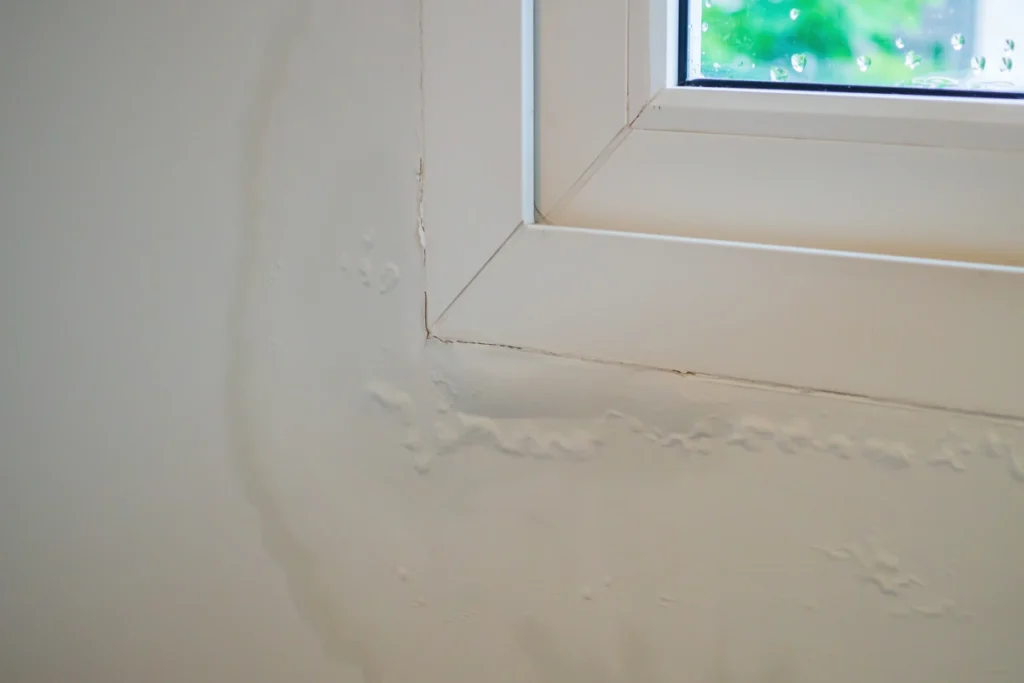
Hidden moisture is one of the main reasons water damage becomes expensive. Water can travel behind walls, under flooring, into insulation, and into framing where it is not visible from the surface. If those materials stay wet, they can deteriorate or create odor and indoor air quality concerns. The problem is that a room can appear dry even when the structure is still holding moisture. That is why professional moisture detection matters. In Tacoma homes, especially older properties or homes with crawl spaces and finished interiors, hidden moisture can easily be missed without the right equipment. Proper drying and monitoring help reduce the risk of future damage and expensive repeat repairs.
Can a small leak really turn into a major restoration project?
Yes. Even a small leak can become a major project if it goes unnoticed or is not dried correctly. Slow leaks can soak into drywall, cabinets, baseboards, flooring, and subfloors over time. By the time the damage is visible, the underlying materials may already be compromised. In some Tacoma homes, a leak in a bathroom, laundry room, or kitchen can spread to adjacent rooms or lower levels before anyone sees obvious signs. What started as a minor repair can turn into removal of flooring, drywall, insulation, and trim. That is why early inspection and moisture testing matter so much. Catching the problem early can dramatically reduce cost.
What should I do first after discovering water damage?
First, stop the source of the water if it is safe to do so. That may mean shutting off the water supply, turning off a fixture, or contacting the utility or a plumber. Next, protect people and valuables and avoid areas where electrical risk or structural damage may be present. Then contact a water damage restoration professional to assess the space and begin extraction and drying. Do not rely on fans alone if water has entered walls or flooring. In Tacoma, where weather and humidity can slow natural drying, professional equipment is usually the safer and faster option. Quick action can reduce repair costs and limit secondary damage.
How long does the drying process usually take?
The drying process depends on the amount of water, the materials involved, the temperature and humidity, and how quickly the damage was addressed. Small losses may dry in a few days, while larger or more complex projects may take longer. Homes with multiple layers of affected materials, crawl spaces, or hidden cavities often need more time and monitoring. The important thing is not to rush the process before the structure has actually reached acceptable moisture levels. In Tacoma, local climate conditions can make drying slower than expected, so equipment placement and follow-up checks are critical. A proper timeline is determined by measurement, not guesswork.
How can Tacoma homeowners reduce the cost of future water damage?
Regular maintenance is the best way to reduce future cost. Check plumbing connections, water heaters, hoses, appliance lines, roof flashing, gutters, downspouts, and grading around the property. Watch for soft spots, stains, odors, or changes in flooring and walls. Homes near older plumbing systems or storm-prone areas in Tacoma should be inspected more often. It also helps to know where shutoff valves are located so you can act quickly in an emergency. Addressing small leaks before they spread can save thousands of dollars in cleanup and repairs. Prevention is usually far less expensive than full restoration after the fact.
Conclusion
Water damage restoration cost in Tacoma is rarely about one simple number. It depends on how far the water spread, what caused it, how quickly the problem is handled, and how much of the structure must be dried, cleaned, or rebuilt. The most effective way to keep costs under control is to act quickly, choose a restoration company that performs complete mitigation, and make sure hidden moisture is identified before repairs begin. For homeowners and property managers across Tacoma, from the waterfront to the neighborhoods near downtown, Proctor, and South Tacoma, the smartest strategy is to treat water damage as time-sensitive work, not a delayable inconvenience. Fast action, clear documentation, and a thorough process are what protect both the property and the budget.