Sewage backup cleanup involves the thorough removal and restoration of areas affected by sewage leaks, which can pose significant health risks. Understanding this process is crucial for homeowners and businesses facing water damage. When dealing with emergencies in Tacoma, quick action is essential due to the potential hazards that sewage poses to health and property. This article elaborates on the techniques, equipment, and procedures involved in sewage backup cleanup, emphasizing the importance of professional services. We will explore immediate steps for cleanup, the comprehensive procedures used by experts, and how to ensure safe and effective restoration.
Techniques and Processes
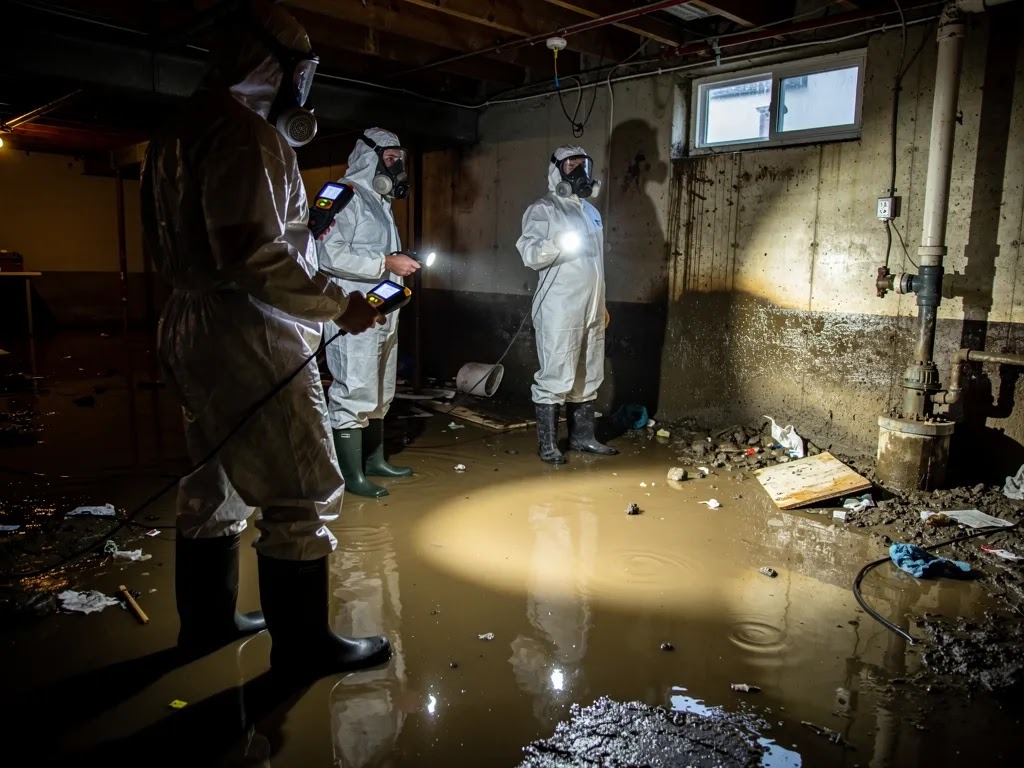
Sewage backup cleanup encompasses various techniques designed to eliminate health risks and restore property safety. The process begins with immediate assessment and emergency response protocols, which are vital in containing the contaminated area. Professionals utilize contamination assessment techniques to determine the extent of the damage and identify the specific contaminants present.
Once the assessment is complete, the cleanup process includes steps like extraction of sewage, sanitization, and removal of affected materials, ensuring a clean and safe environment. Proper documentation during this phase also aids in facilitating the insurance claims process for property owners. This structured approach highlights the efficiency and effectiveness of professional sewage cleanup services.
Equipment Used
Effective sewage backup cleanup relies on specialized equipment designed for rapid water extraction and sanitation. Key equipment includes:
- Truck-mounted Extractors: These units provide powerful suction capabilities to remove sewage quickly and efficiently.
- Industrial Dehumidifiers: Critical for preventing mold growth, these devices control moisture levels in affected areas following the cleanup.
- HEPA Air Scrubbers: Necessary for filtering airborne pathogens and contaminants, delivering clean air during the restoration process.
- Moisture Meters: These instruments help monitor moisture levels to ensure that structures are adequately dried and to prevent future issues.
Utilizing this equipment allows professionals to restore homes and businesses effectively while minimizing damage.
Expected Outcomes

By engaging professional sewage backup cleanup services, property owners can expect significant benefits, including:
- Restoration of Health and Safety: Efficient cleanup mitigates health risks associated with contaminants.
- Minimization of Structural Damage: Rapid response reduces the potential for irreversible harm to property.
- Clear Communication: Professionals keep property owners informed throughout the process, ensuring transparency and trust.
These outcomes are crucial in maintaining the integrity of a property while safeguarding the health of its occupants.
What Are the Immediate Steps for Emergency Sewage Backup Cleanup in Tacoma?
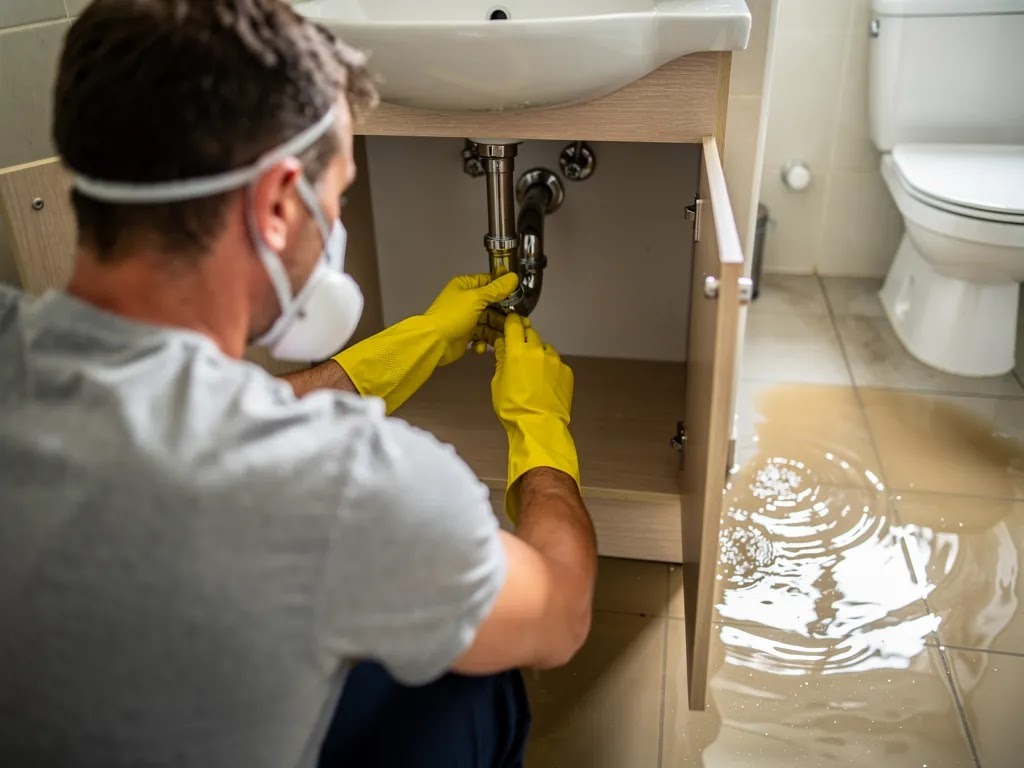
Addressing sewage backups urgently can help prevent severe damage and health risks. The immediate steps include:
- Safety Precautions: Ensure safety measures are in place before entering the contaminated area. Wear protective gear to avoid direct contact with sewage.
- Initial Mitigation: Turn off the water supply to prevent further backups and address any accessible leaks.
- Contact Professionals: It is essential to call a professional sewage cleanup service immediately to handle the situation safely and effectively.
These steps are vital for minimizing damage and ensuring safety following a sewage incident.
How Does American Standard Restoration Respond to Sewage Emergencies 24/7?
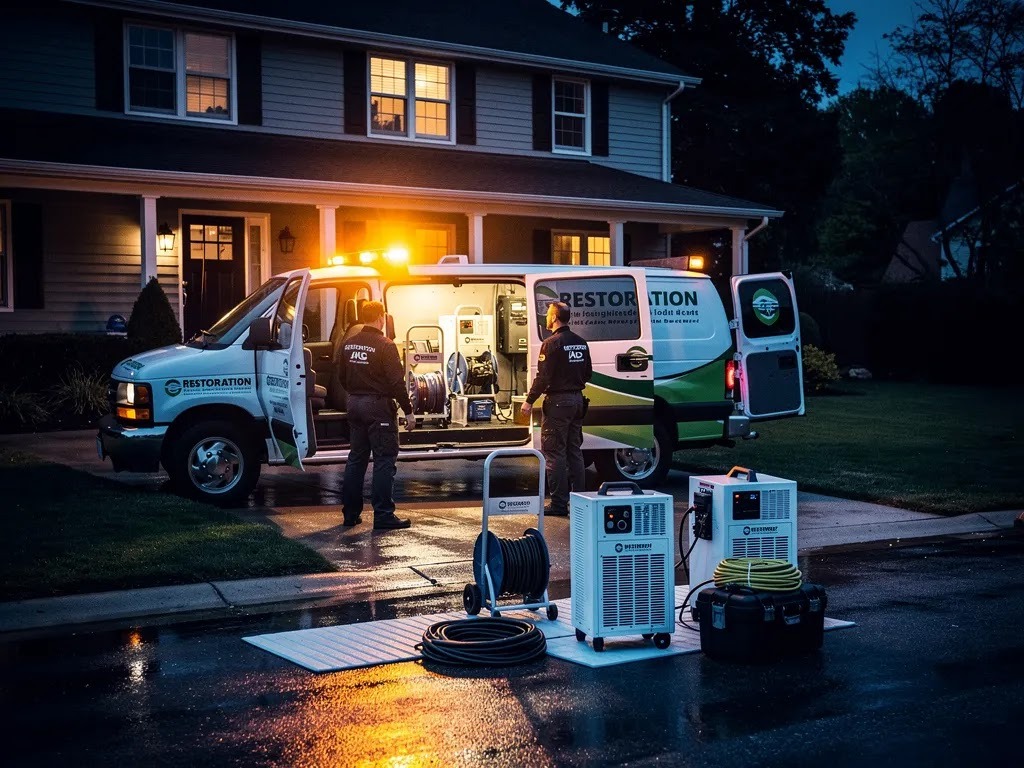
American Standard Restoration operates around the clock to respond to sewage emergencies. Their approach involves immediate assessment and mobilization of trained personnel equipped with specialized tools. Upon arrival, the team communicates transparently with property owners, explaining the process and outlining necessary actions.
This responsiveness ensures that cleanup begins as soon as possible, thereby minimizing potential hazards and property damage. Local expertise combined with 24/7 availability makes them a reliable choice for emergency sewage cleanup in Tacoma.
Why Is Prompt Water Extraction and Containment Critical in Sewage Spill Restoration?
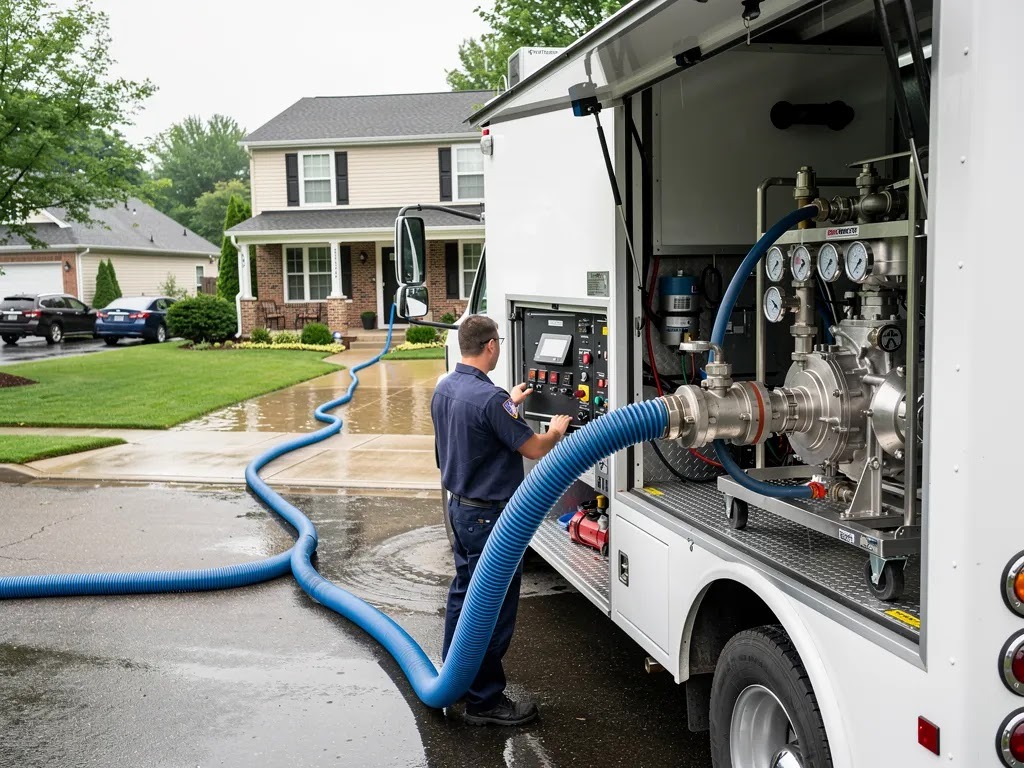
Prompt water extraction is vital in sewage spill restoration due to the potential health risks associated with untreated water. Prolonged exposure to contaminated water can lead to severe health issues, including infections and other complications. Furthermore, quick containment measures prevent the spread of sewage-related contaminants, safeguarding surrounding areas.
Understanding the significance of speed during the initial stages of cleanup can lessen the overall impact of sewage backups on properties, ensuring a swift path to recovery.
What Is the Comprehensive Sewage Cleanup Process for Tacoma Homes and Businesses?
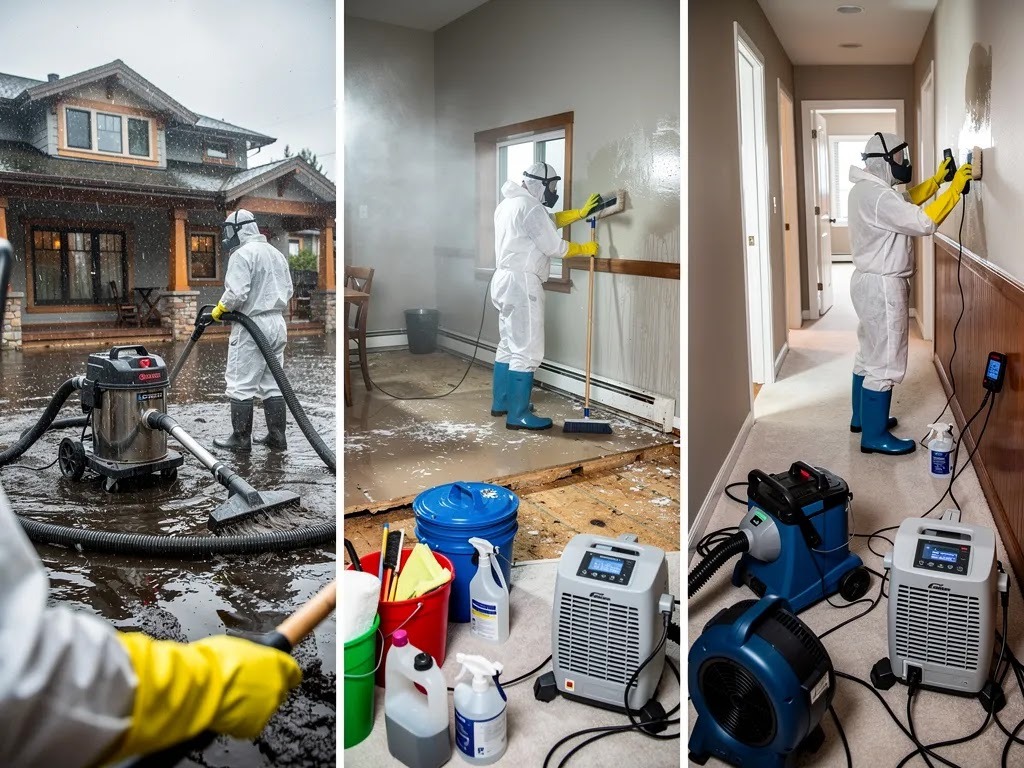
The comprehensive sewage cleanup process for Tacoma homes and businesses involves several detailed steps:
- Initial Assessment: Professionals evaluate the extent of the damage and identify the contaminants.
- Sewage Extraction: Specialized equipment extracts sewage effectively, minimizing health risks.
- Environmental Cleaning: The area is sanitized, and contaminated materials are safely removed and disposed of.
- Structural Drying: Dehumidifiers and moisture meters are employed to ensure thorough drying and prevent mold growth.
- Final Inspection and Monitoring: A follow-up assessment ensures that the process was effective and that no lingering issues remain.
This methodical approach guarantees that safety standards are met while restoring properties to their original condition.
How Are Biohazard Removal and Safe Disinfection Performed During Cleanup?
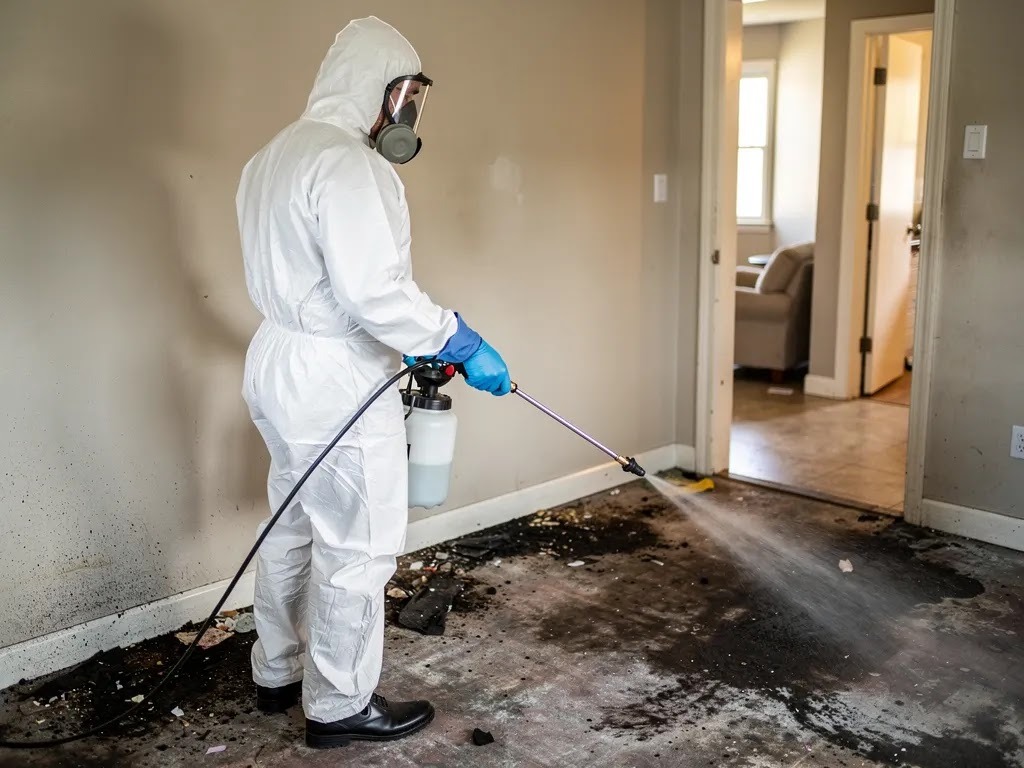
During sewage backup cleanup, biohazard removal and disinfection are critical components. The steps involved include:
- Assessment: Identifying potential biohazards such as bacteria and viruses present in the sewage.
- Removal: Professional teams utilize protocols for safely removing biological contaminants while adhering to health regulations.
- Disinfection Protocols: State-of-the-art disinfectants are employed to ensure all surfaces are sanitized effectively, reducing the risk of health complications.
Regular adherence to these practices ensures that the cleanup process follows local and federal safety standards.
How Is Structural Drying and Odor Control Achieved After Sewage Backup?
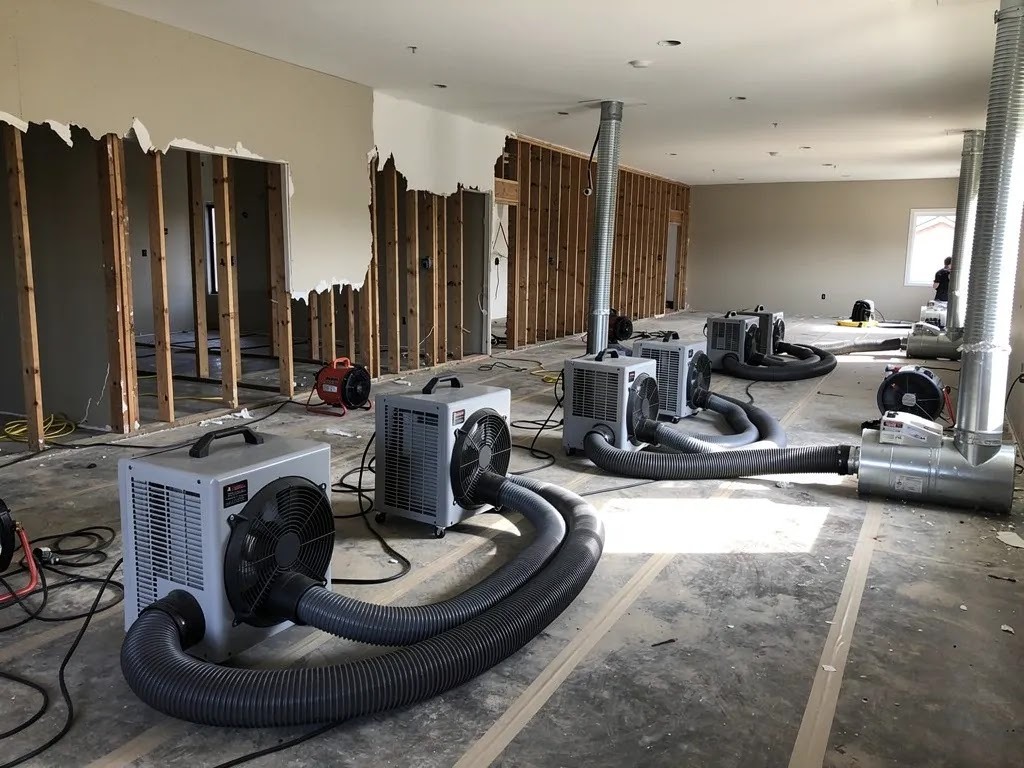
Proper structural drying and odor control involve several key techniques post-sewage cleanup:
- Dehumidification: Industrial dehumidifiers extract moisture from the air and surrounding materials to promote drying.
- Ventilation: Air circulation is enhanced, reducing moisture levels and aiding in the drying process.
- Odor Neutralization: Specialized treatments, including odor-absorbing compounds, are utilized to eliminate persistent foul smells associated with sewage.
These methods collectively ensure that properties remain habitable and safe after a sewage backup incident.
What Health Risks Are Associated with Sewage Backup and How Are They Addressed?
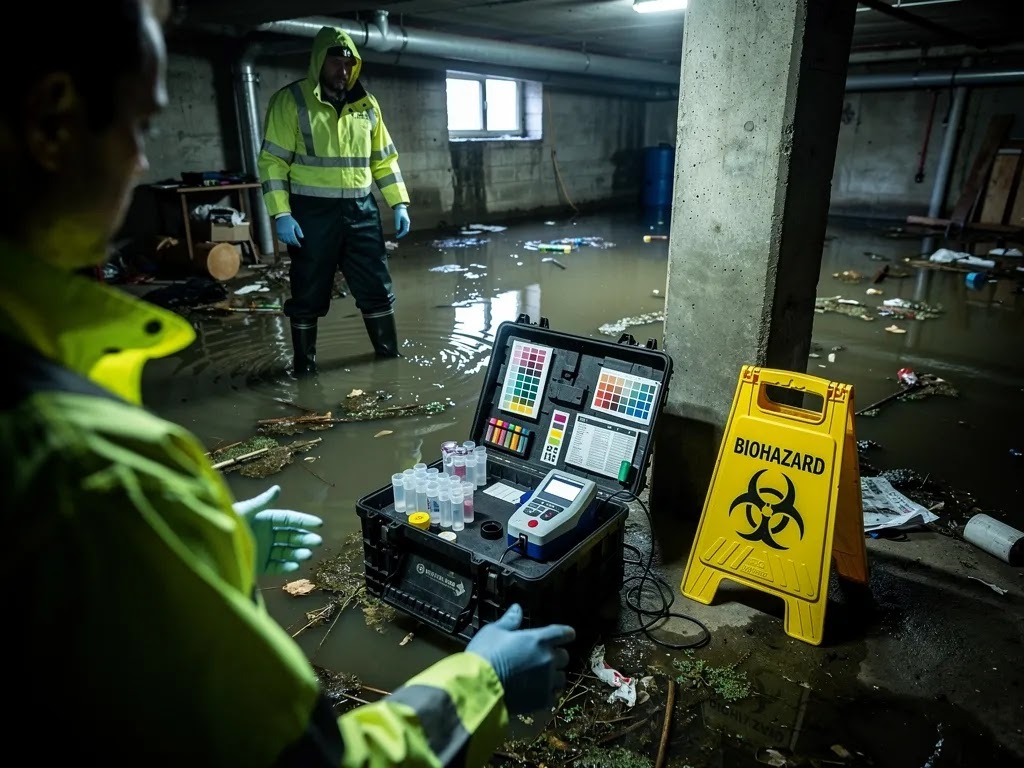
Sewage backup poses significant health risks due to the presence of pathogens and harmful substances. Common risks include:
- Bacterial Infections: Exposure to bacteria in sewage can lead to gastrointestinal diseases and other infections.
- Viral Concerns: Viruses such as Hepatitis A can be transmitted through sewage contamination.
- Toxic Chemicals: These may include harmful substances from household products that enter the sewage system.
To address these risks, thorough cleaning and disinfection protocols are followed, ensuring that affected areas are made safe for habitation.
Which Pathogens and Contaminants Are Common in Sewage Spill Events?
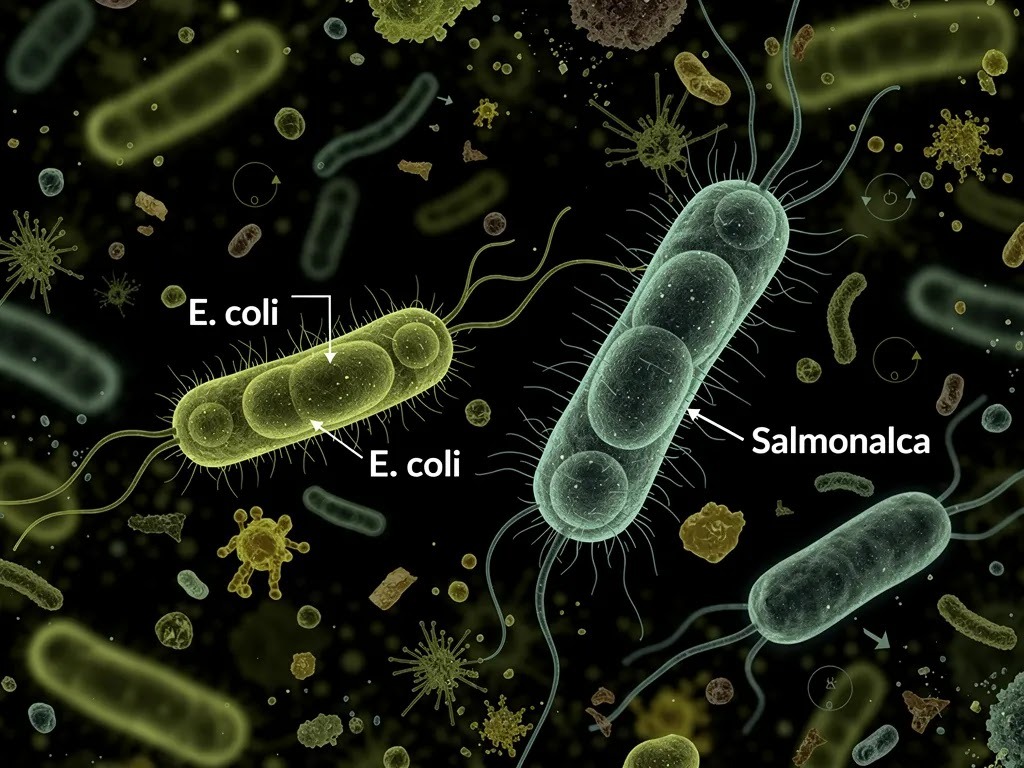
Common pathogens and contaminants associated with sewage spills include:
- Escherichia coli (E. coli): Bacteria that can cause severe food poisoning.
- Salmonella: Another bacteria that can lead to gastrointestinal infections.
- Hepatitis A Virus: A virus that can infect the liver and cause jaundice.
Understanding these risks underscores the importance of swift and professional cleanup services in restoring safety after a sewage incident.
How Does American Standard Restoration Ensure Safety and Compliance with Local Regulations?
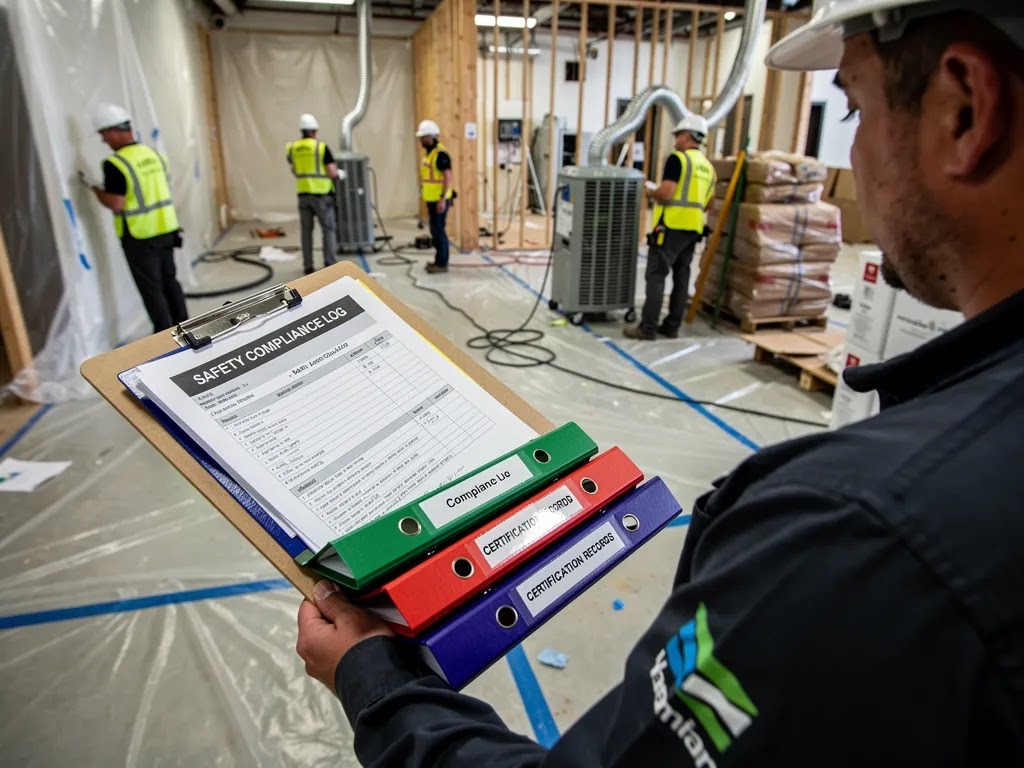
American Standard Restoration places a paramount focus on safety and regulatory compliance. Their procedures include:
- Training and Qualifications: All personnel are rigorously trained and certified in sewage cleanup and biohazard management.
- Safety Protocols: Comprehensive safety protocols are implemented to adhere to local and state regulations concerning hazardous waste handling.
- Equipment Standards: The company utilizes industry-standard equipment to ensure all cleanup efforts are effective and compliant.
Such measures reinforce their commitment to delivering safe and reliable restoration services to the Tacoma community.
How Can Tacoma Property Owners Manage Insurance and Costs for Sewage Backup Cleanup?
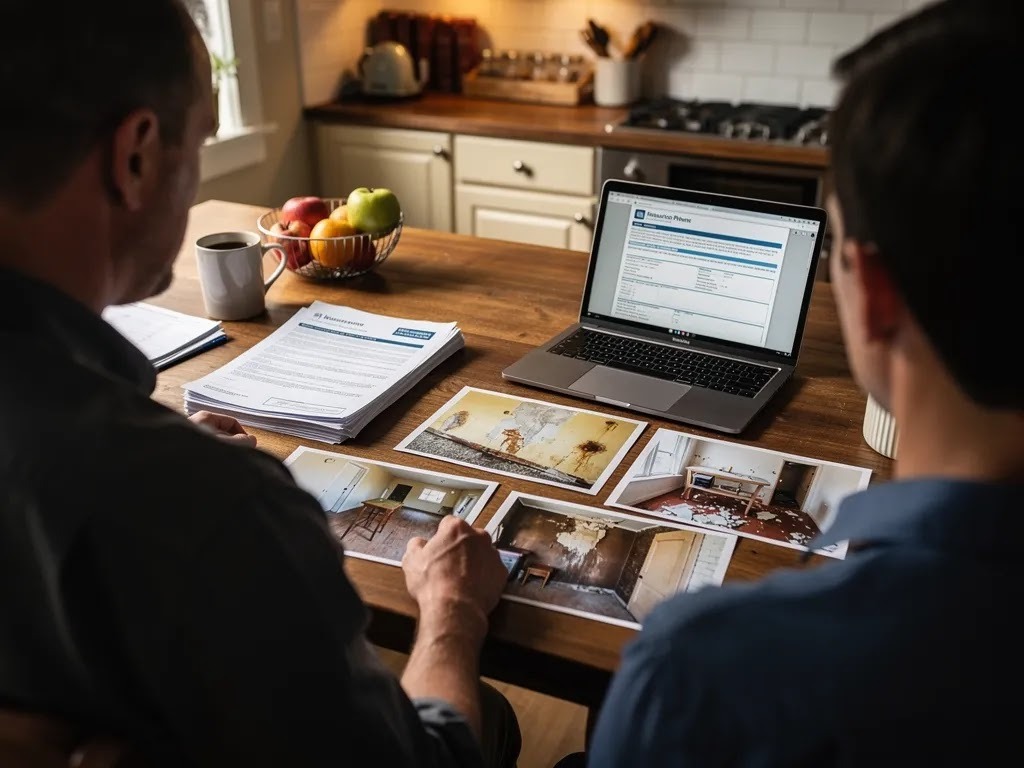
Effective management of insurance and costs for sewage backup cleanup involves a few key considerations:
- Understanding Coverage: Property owners should familiarize themselves with their home or commercial insurance policies to understand what is covered.
- Documentation: Keeping accurate records and documentation of the damage and cleanup efforts is essential for successful insurance claims.
- Claim Assistance: Engaging with professionals like American Standard Restoration can provide valuable support in navigating the claims process.
These steps can help streamline the financial aspects of sewage backup cleanup, ensuring that property owners receive the assistance they need.
Is Sewage Backup Cleanup Covered by Homeowners or Commercial Insurance Policies?
In many cases, sewage backup cleanup can be covered by homeowners or commercial insurance policies, depending on the policy terms. Factors to consider include:
- Policy Clauses: Homeowners should check if their insurance includes specific clauses for water damage or sewer backups.
- Limitations: Be aware of any deductibles or coverage limits that might affect potential reimbursement.
- Pre-existing Conditions: If issues were previously unresolved, it could affect coverage eligibility.
Consulting with an insurance agent can clarify coverage options and help ensure property owners are adequately protected.
What Documentation and Support Does American Standard Restoration Provide for Claims?
American Standard Restoration aids clients in managing the claims process by providing thorough documentation, including:
- Detailed Reports: These include assessments of the damage and the steps taken during cleanup.
- Photographic Evidence: Before-and-after images help illustrate the extent of the damage and the effectiveness of the restoration.
- Support Services: Assistance with submitting claims to insurance companies ensures the process is as seamless as possible for clients.
This comprehensive support equips property owners with the necessary tools to navigate insurance claims successfully.
Why Choose American Standard Restoration for Professional Sewage Cleanup Services in Tacoma?
Choosing American Standard Restoration for sewage cleanup services offers several distinct advantages:
- Extensive Experience: Their team has years of expertise dealing with sewage backup situations across Tacoma and beyond.
- Customer Satisfaction: A strong commitment to quality service has resulted in a high rate of customer satisfaction.
- Specialized Services: They offer tailored solutions to address specific property needs during sewage cleanup.
These factors contribute to American Standard Restoration’s reputation as a leading provider of emergency cleanup services in the region.
What Certifications and Safety Standards Differentiate Our Sewage Cleanup Experts?
American Standard Restoration stands out due to its commitment to safety and certifications, including:
- Industry Certifications: Their staff hold relevant certifications in water damage restoration and biohazard cleanup.
- Safety Protocol Compliance: Adherence to OSHA regulations ensures safe practices are followed at all times.
These certifications reinforce the assurance that clients will receive competent and safe cleanup services.
What Do Local Customers Say About Our Sewage Backup Restoration Success?
Customer feedback highlights the consistent quality of service provided by American Standard Restoration:
- Timeliness: Many clients commend their rapid response to emergencies, which minimizes damage and health risks.
- Professionalism: Testimonials often highlight the professionalism and expertise of the cleanup teams.
- Thoroughness: Clients appreciate the thoroughness of the cleanup, ensuring no lingering contaminants remain.
This positive feedback underscores the company’s dedication to customer satisfaction and effective restoration practices.
What Mold Prevention and Environmental Safety Practices Follow Sewage Backup Cleanup?
Mold prevention is a critical consideration following sewage cleanup. Practices include:
- Monitoring Moisture: Continuous assessment of humidity levels helps prevent mold development.
- Use of Eco-Friendly Products: Environmentally safe disinfectants are employed to reduce health risks associated with harsh chemicals.
- Ongoing Inspections: Regular inspections after cleanup ensure that any mold growth is addressed immediately.
Maintaining these practices fosters a healthier environment for residents and employees in the affected properties.
How Does Mold Develop After Sewage Damage and How Is It Effectively Remediated?
Mold development after sewage damage can occur rapidly if conditions are conducive to growth, such as excess moisture and organic material. Effective remediation involves:
- Identification: Identifying areas of potential mold growth, which often include hidden cavities or damp surfaces.
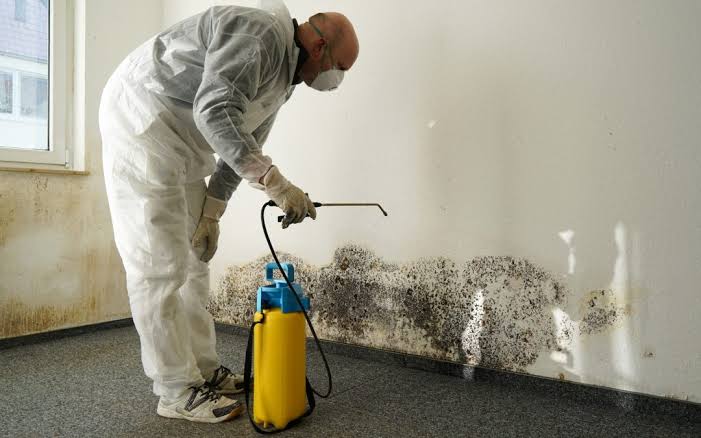
- Removal: Professionals ensure mold is removed completely, using proper safety protocols and protective gear.
- Monitoring: Post-remediation monitoring ensures no residual mold is left behind, safeguarding the health of occupants.
This thorough approach is essential in restoring a safe environment following sewage incidents.
What Eco-Friendly Disinfectants and Health-Focused Methods Are Used in Cleanup?
In alignment with health-focused practices, American Standard Restoration utilizes eco-friendly disinfectants and methods during cleanup. Key practices include:
- Natural Disinfectants: Products that are free from harsh chemicals are preferred to enhance safety for both occupants and the environment.
- Methodical Application: Techniques that prioritize health safety, including proper ventilation during application and drying, ensure effective sanitation without adverse effects.
- Sustainable Practices: The commitment to using sustainable products reflects a broader responsibility to public health and the environment.
Implementing these eco-friendly methods contributes to comprehensive sewage cleanup that is both effective and responsible.
Frequently Asked Questions
How quickly should sewage backup cleanup begin to prevent lasting damage?
Sewage backup cleanup should begin as soon as possible — ideally within the first hour of discovery. Prolonged exposure to contaminated water dramatically increases the risk of structural damage, mold growth, and serious health complications. Sewage contains bacteria, viruses, and toxic chemicals that can penetrate porous materials like drywall, insulation, and flooring very quickly. The longer these contaminants remain untreated, the greater the risk of irreversible harm to the property and the health of its occupants. Calling a 24/7 professional restoration service immediately is the most effective way to limit damage.
What protective gear is necessary when handling sewage backup contamination?
Anyone entering an area affected by sewage backup should wear full personal protective equipment (PPE) to avoid direct contact with hazardous contaminants. This includes waterproof gloves, rubber boots, protective eyewear, and an N95 or higher-rated respirator mask to guard against airborne pathogens. Disposable coveralls are also recommended to prevent contamination of clothing. Because sewage contains harmful bacteria such as E. coli and Salmonella, as well as viruses like Hepatitis A, direct skin or respiratory exposure poses a serious health risk. Professional crews are trained and equipped to handle these hazards safely.
Can sewage backup cause permanent structural damage to a Tacoma property?
Yes, sewage backup can cause permanent structural damage if not addressed quickly and thoroughly. Contaminated water saturates building materials including subfloors, wall cavities, and insulation, weakening their structural integrity over time. Wood framing can warp, rot, and lose load-bearing capacity, while drywall and insulation may need complete replacement. Additionally, moisture trapped inside walls creates ideal conditions for mold colonization, which further degrades materials and poses ongoing health risks. Rapid professional extraction, structural drying with industrial dehumidifiers, and moisture monitoring are critical steps to prevent permanent damage to Tacoma homes and businesses.
How long does the full sewage backup cleanup and restoration process typically take?
The duration of a sewage backup cleanup and restoration project depends on the severity of the contamination and the size of the affected area. Minor incidents may be resolved within one to three days, while more extensive damage involving soaked structural materials or widespread mold can take one to two weeks or longer. The process includes assessment, sewage extraction, environmental cleaning and disinfection, structural drying, and a final inspection to confirm moisture levels are within safe limits. Continuous moisture monitoring throughout the process ensures that restoration is thorough before any reconstruction begins.
Is it safe to stay in a home or business during sewage backup cleanup?
In most cases, it is not safe to remain inside a property during active sewage backup cleanup. Sewage releases harmful airborne pathogens, toxic gases such as hydrogen sulfide, and biological contaminants that pose immediate health risks when inhaled or touched. HEPA air scrubbers are deployed by professional restoration crews to filter the air, but occupants — especially children, the elderly, and individuals with respiratory conditions — should vacate the premises until cleanup and disinfection are complete. A professional team will advise when it is safe to re-enter based on air quality readings and final inspection results.
What should Tacoma property owners do to prevent future sewage backups?
Preventing future sewage backups involves a combination of routine maintenance and proactive upgrades. Property owners in Tacoma should have their sewer lines inspected and cleaned regularly to remove grease, debris, and tree root intrusion that can cause blockages. Installing a backwater prevention valve on the main sewer line can stop sewage from flowing back into the property during heavy rain events or municipal system overflows. Avoiding flushing non-degradable items — such as wipes, paper towels, and hygiene products — also reduces the risk. Periodic professional assessments can identify vulnerabilities in the drainage system before a backup occurs.
How are sewage-contaminated materials like flooring and drywall disposed of safely?
Sewage-contaminated materials such as flooring, drywall, insulation, and carpeting are classified as biohazardous waste and must be disposed of in compliance with local and federal health regulations. Professional restoration teams carefully remove and bag these materials using proper containment procedures to prevent cross-contamination of unaffected areas. Items are transported and disposed of through approved waste management channels that handle hazardous biological materials. Attempting to dispose of contaminated materials through standard household waste is both unsafe and potentially illegal. American Standard Restoration’s trained crews follow all applicable safety protocols and regulatory requirements throughout the removal and disposal process.