Mold inspection is vital for maintaining a safe and healthy environment within homes and businesses, particularly in regions like Tacoma, WA, where humidity often fosters mold growth. In this comprehensive guide, you will learn about the importance of mold inspection, effective detection methods, health risks associated with mold, and the restoration processes following an inspection. Understanding these aspects can empower property owners to protect their investments and health. We will also touch on how to choose a professional service that suits your needs, the common mold types found in the area, and the procedures involved in a thorough inspection. This article aims to equip you with the knowledge to address mold concerns proactively.
Comprehensive Guide on Mold Inspection in Tacoma, WA
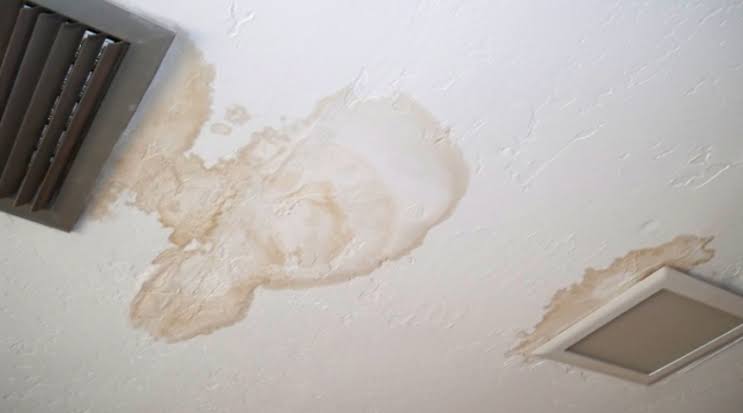
Understanding the intricacies of mold inspection is essential for any property owner. Mold inspection services assess the presence, type, and extent of mold growth in a structure, as well as moisture issues that contribute to its proliferation. In Tacoma, where environmental conditions can facilitate mold issues, timely inspections can help prevent significant damage and mitigate health risks. Common methods of inspection include visual assessments, moisture measurements, and air sampling.
For those looking for a comprehensive understanding of inspection techniques, additional resources are available.
Inspecting for Suspect Mold Growth in Commercial Properties
This article describes potential sources of mold growth and outlines inspection techniques and remediation approaches. We seek to give a general understanding for mold inspectors/ remediators to perform inspection when called to commercial buildings, schools, or government facilities. We focus in nondestructive inspection techniques for recognizing mold and moisture sources. INSPECTING FOR SUSPECT MOLD GROWTH in Government, Industrial & Commercial Properties., JA Barrett, 2024
Detection Methods:
Several detection methods are employed to find mold in properties, each with unique advantages.
- Visual Inspection: Inspectors conduct a thorough walkthrough of the property, looking for visible signs of mold on surfaces like walls, ceilings, and floors.
- Moisture Detection: Utilizing moisture meters helps identify areas at risk for mold due to excess dampness, which is crucial in prevention.
- Air Sampling: This method involves collecting air samples and analyzing them in a laboratory to detect mold spores, providing insight into mold species present and their concentrations.
Using a combination of these methods ensures a comprehensive understanding of mold presence and potential risks.
Associated Health Risks:
Mold exposure can lead to a variety of health issues, particularly among vulnerable populations.
- Respiratory Issues: Common problems include coughing, wheezing, and shortness of breath, especially for those with asthma or other respiratory conditions.
- Allergic Reactions: Mold can provoke allergy symptoms, including sneezing, runny nose, and skin irritation.
- Severe Health Risks: Long-term exposure to certain molds can result in more serious health complications, necessitating immediate action when mold is detected.
Understanding these health risks underscores the importance of regular mold inspections.
Restoration Processes:
After a mold inspection, differing restoration processes may be necessary depending on the severity of the mold problem.
- Initial Assessment: A thorough assessment helps determine the extent of the mold growth and damage.
- Containment Methods: Sealing off affected areas prevents the spread of mold spores during remediation.
- Post-Remediation Testing: After the remediation process, testing ensures that the mold has been effectively removed, and the environment is safe.
Proper restoration can restore the property to its pre-damaged condition, enhancing safety and comfort.
Prevention Tips:
Preventing mold growth is far more effective—and less costly—than remediation. Implement the following strategies:
- Prompt Leak Repairs: Fix any plumbing leaks or water intrusion issues immediately to reduce moisture levels.
- Proper Ventilation: Ensure adequate airflow in attics, basements, and other areas prone to dampness to lessen mold risk.
- Regular Inspections: Schedule regular inspections for moisture issues and mold, particularly after water damage incidents.
Taking proactive measures can help shield your property from mold-related problems.
WHO Guidelines: Dampness, Mold, and Indoor Humidity
This document presents World Health Organization (WHO) guidelines for the protection of public health from risks due to dampness and mould in indoor environments. Dampness and mould are common in indoor environments and are associated with a variety of adverse health effects. Fungal spores and mycelia are ubiquitous in outdoor as well as indoor air. However, fungal growth is stimulated by moisture, and fungal colonies grow more rapidly at higher relative humidity (Arlian, 1992). Indoor humidity is therefore the main factor associated with growth potentials of fungal spores and multiplication of common indoor fungi. WHO guidelines for indoor air quality: dampness and mould, 1992
Choosing a Professional:
Choosing the right professional for mold inspection is crucial to ensure thorough and accurate assessments.
- Check for Certifications: Ensure the inspector holds relevant certifications, indicating expertise in mold assessment.
- Importance of Insurance: A reputable inspection company should carry liability insurance to protect you during the inspection process.
- Ask About Experience and Reviews: Look into the inspector’s experience and read client testimonials to gain insight into their service quality.
For those seeking professional assistance, American Standard Restoration specializes in mold inspection and remediation services in Tacoma, WA.
What Is Mold Inspection and Why Is It Crucial in Tacoma?
Mold inspection is a detailed process aimed at identifying mold presence in residential and commercial properties. In Tacoma, given the region’s moisture levels, regular inspections are essential for maintaining a healthy indoor environment. A thorough mold inspection assesses not only visible mold but also hidden mold that may affect air quality and property integrity. Effective inspections can prevent costly damage and provide peace of mind to property owners.
How Does Mold Inspection Protect Your Property and Health?
Mold inspections provide enhanced protection for property and health by identifying potential mold growth before it becomes a larger issue. These inspections utilize industry-standard methods to ensure comprehensive assessments are conducted, ultimately safeguarding occupants from health risks associated with mold exposure. Proactively addressing mold problems can minimize structural damage, thereby preserving the property’s value.
What Are Common Mold Types Found in the Tacoma Area?
Tacoma’s environment is conducive to various types of mold, each presenting specific challenges.
- Aspergillus: Common in indoor environments, it can cause allergic reactions and respiratory problems.
- Cladosporium: Frequently found on damp surfaces, it may lead to skin irritation and respiratory issues.
- Stachybotrys (Black Mold): Known as toxic black mold, it requires immediate remediation due to its severe health risks.
The presence of these toxigenic molds highlights the importance of timely and thorough inspections.
Adverse Health Effects and Toxigenic Molds
Although all molds can cause adverse health effects if present in significant quantities and if a person is exposed for a sufficient time, it appears that certain molds are clearly toxigenic and produce mycotoxins that are capable of causing more severe health problems. While not a complete list, some of the more toxigenic molds include Stachybotrys, Aspergillus, Penicillium, and Cladosporium.
Adverse health effects of indoor molds, M Stark, 2004
Recognizing these molds within your property allows for timely interventions that protect both health and property.
How Is a Professional Mold Inspection Conducted in Tacoma WA?
A professional mold inspection in Tacoma involves several structured steps designed to accurately assess mold presence and moisture issues.
- Initial Consultation: Property owners discuss observed issues, concerns, and specific locations of potential mold growth.
- Visual Inspection: A walk-through is conducted to identify visible mold and moisture sources.
- Moisture Assessment: The inspector measures humidity levels and uses devices to check for hidden moisture.
- Sampling: Air and surface samples may be collected for laboratory analysis to determine mold type and concentration.
By following these structured steps, professionals can provide a detailed report on mold presence and recommendations for remediation.
What Are the Step-by-Step Procedures of a Mold Inspection?
Understanding the step-by-step procedures of a mold inspection aids property owners in recognizing what to expect during the process.
- Initial Assessment: Inspectors conduct interviews to gather information on mold activity and other related concerns.
- Visual Inspection: A thorough examination of the property’s interior and exterior is performed to identify any visible mold signs.
- Moisture Testing: Equipment is used to test for excess moisture in walls, ceilings, and floors.
- Air and Surface Sampling: Samples are collected from the environment to analyze for spore concentrations and types.
- Final Report: A detailed report is generated, outlining findings and providing recommendations for remediation if necessary.
This comprehensive approach ensures that mold issues are thoroughly assessed. EPA guidelines on mold provide further insights, emphasizing safety and proper handling.
Who Are Certified Mold Inspectors and What Are Their Qualifications?
Certified mold inspectors possess unique qualifications and expertise, enabling them to conduct thorough assessments. Key qualifications typically include:
- Certification: Inspectors often hold certifications from recognized organizations, such as the International Association of Certified Home Inspectors (InterNACHI) or the Institute of Inspection, Cleaning and Restoration Certification (IICRC).
- Training: They receive specialized training in mold inspection, safety procedures, and remediation guidelines.
- Experience: Many inspectors have significant field experience, which enhances their ability to accurately assess and recommend solutions for mold problems.
Choosing a qualified professional ensures confidence in the inspection process and recommendations.
What Health Risks Are Associated with Mold Exposure in Tacoma Properties?
Mold exposure can lead to serious health problems, particularly for sensitive populations such as children and those with pre-existing conditions.
How Can Mold Affect Respiratory and Overall Health?
Respiratory health can be significantly impacted by mold exposure. Conditions may range from mild allergies to severe respiratory distress. Mold can provoke symptoms such as:
- Coughing and Wheezing: Common symptoms include difficulty breathing, particularly for asthmatics.
- Allergic Reactions: Skin irritation and eye inflammation can occur due to mold exposure.
- Increased Infection Risk: Individuals with compromised immune systems may be at higher risk for serious infections.
Awareness of these potential health effects encourages prompt action when mold is suspected. Understanding the signs of mold is crucial for timely intervention.
What Precautions Can Homeowners and Businesses Take Against Mold Risks?
To mitigate health risks, several precautionary measures can be adopted:
- Address Moisture Issues: Ensure prompt repair of leaks and manage humidity levels within acceptable ranges.
- Regular Maintenance: Implement an upkeep schedule to maintain ventilation systems and minimize mold growth.
- Invest in Inspections: Schedule regular mold inspections, especially after water damage incidents or during high humidity seasons.
By taking these precautions, property owners can significantly reduce mold risks. CDC’s FAQs on mold offer additional guidance on prevention strategies.
What Should You Expect After a Mold Inspection: Mold Remediation Services in Tacoma?
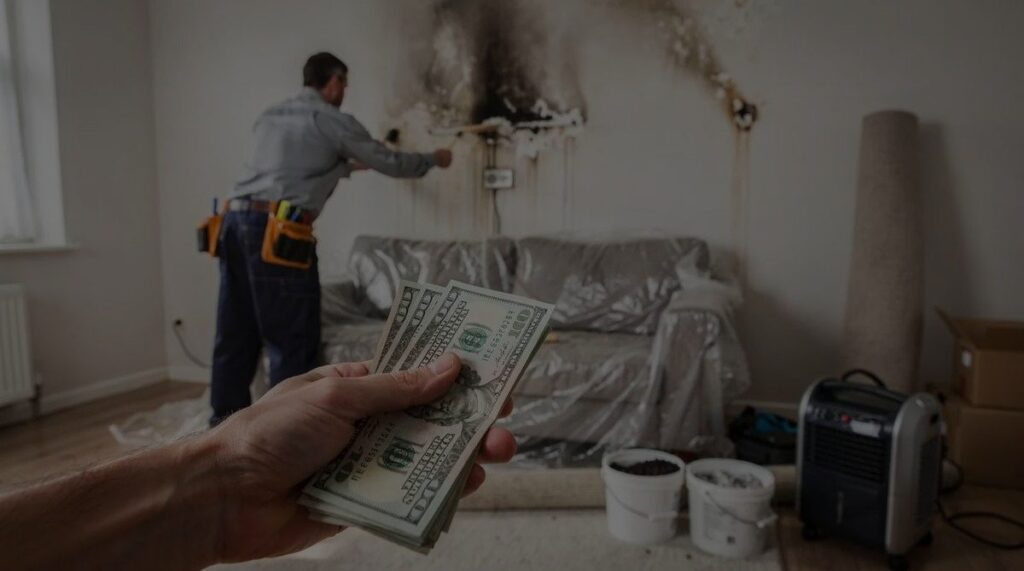
Following a mold inspection, property owners must prepare for potential remediation services that involve the removal of mold and prevention of future growth.
How Does Mold Remediation Address Contamination Based on Inspection Results?
Mold remediation is targeted based on the findings from the inspection report. Steps typically include:
- Containment of Affected Areas: Ideally, areas are sealed to prevent spores from spreading to unstated sections of the property.
- Removal of Contaminated Materials: Damaged materials are discarded appropriately.
- Cleaning and Disinfection: Surfaces are treated with specialized cleaning agents to eliminate remaining spores.
Remediation services ensure that the environment is made safe and healthy for occupants.
What Are the Industry Standards and EPA Guidelines for Mold Remediation?
Mold remediation practices are guided by established industry standards to ensure thorough and safe procedures. The EPA recommends the following:
- Assessment of Mold Presence: Conduct an initial assessment before beginning remediation.
- Safety Precautions: Implement safety measures, including protective gear for workers, to minimize exposure risks.
- Documentation of Procedures: Keep detailed records of remediation efforts, materials used, and final assessments.
Adhering to these guidelines enhances the effectiveness of remediation efforts.
How Much Does Mold Inspection Cost in Tacoma and Is It Covered by Insurance?
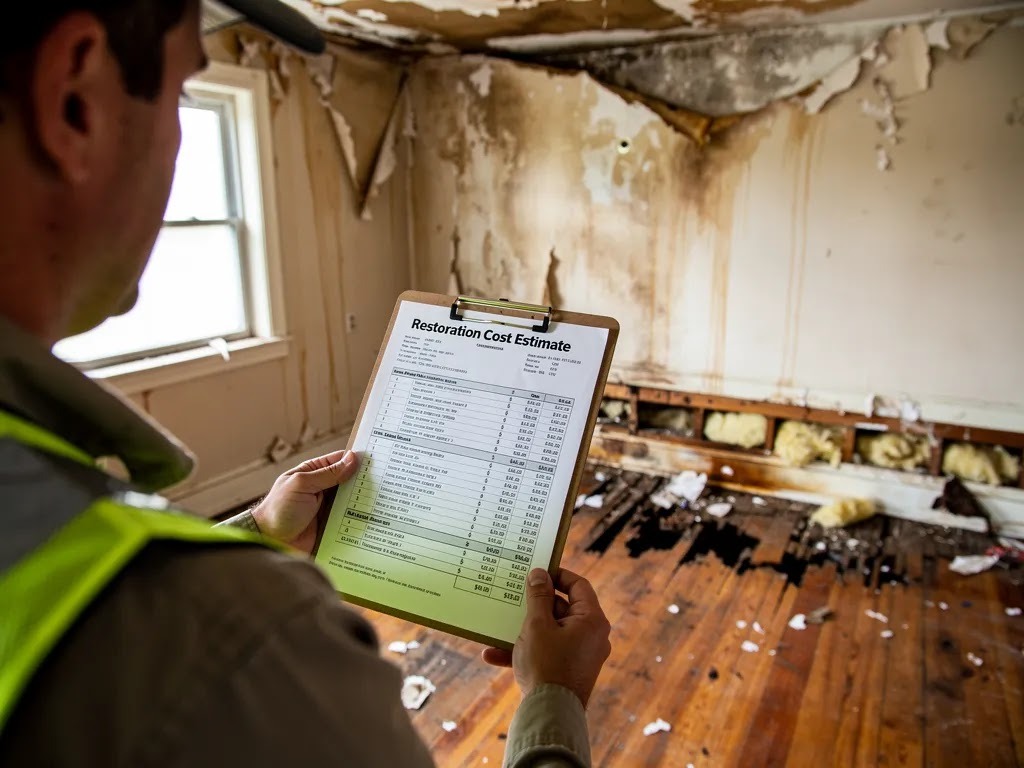
Mold inspection costs can vary based on several factors, with average prices typically ranging from $300 to $600.
What Factors Influence Mold Inspection Pricing in Tacoma WA?
The cost of a mold inspection can be influenced by:
- Size of the Property: Larger properties typically incur higher inspection costs due to the increased time and resources required.
- Extent of Mold Suspected: If significant mold presence is anticipated, additional testing may be required, affecting price.
- Location Within the Property: Difficult-to-reach areas may require specialized equipment, which can increase the cost.
Understanding these factors can prepare homeowners for potential expenses associated with mold inspection services in Tacoma WA.
How to Navigate Insurance Claims for Mold Inspection and Remediation?
Navigating insurance claims can be daunting, but following these steps can streamline the process:
- Review Your Policy: Check your homeowners’ insurance policy to understand coverage for mold-related damage.
- Document Evidence: Maintain clear records of mold inspections, photographs, and any relevant communication with your inspection company.
- File Claims Promptly: Initiate your insurance claim as soon as possible to meet any timelines outlined in your policy.
Secure understanding allows for efficient claims processing and potential reimbursement for inspection and remediation costs.
How to Access Emergency Mold Inspection Services in Tacoma WA?
Accessing emergency mold inspection services can provide timely assistance when immediate action is needed.
- Identify Local Services: Research local mold inspection companies that offer 24/7 emergency services.
- Request Immediate Response: Contact the service provider and explain the situation to facilitate a swift response.
- Prepare for Inspection: Ensure access to the affected areas for efficient assessment upon the inspector’s arrival.
Quick action helps to mitigate further damage and health risks associated with mold growth.
When Should You Request Immediate Mold Inspection Assistance?
Situations that warrant immediate mold inspection include instances of significant water damage, prolonged dampness, or visible mold growth. Homeowners and businesses should be especially vigilant following severe weather events or plumbing failures. If mold is spotted or moisture levels remain high despite remediation efforts, seeking professional help can prevent health complications and property damage.
How to Schedule and Contact 24/7 Mold Inspection Experts Locally?
To schedule a mold inspection, reach out to local experts like American Standard Restoration, who are available at (253) 439-9968. They offer timely inspections and remediation services tailored to meet your needs. With their professional guidance, you can ensure your property remains safe and free from mold hazards.