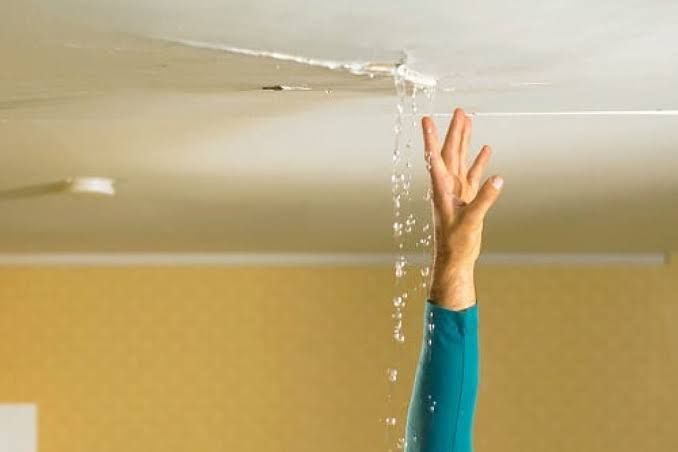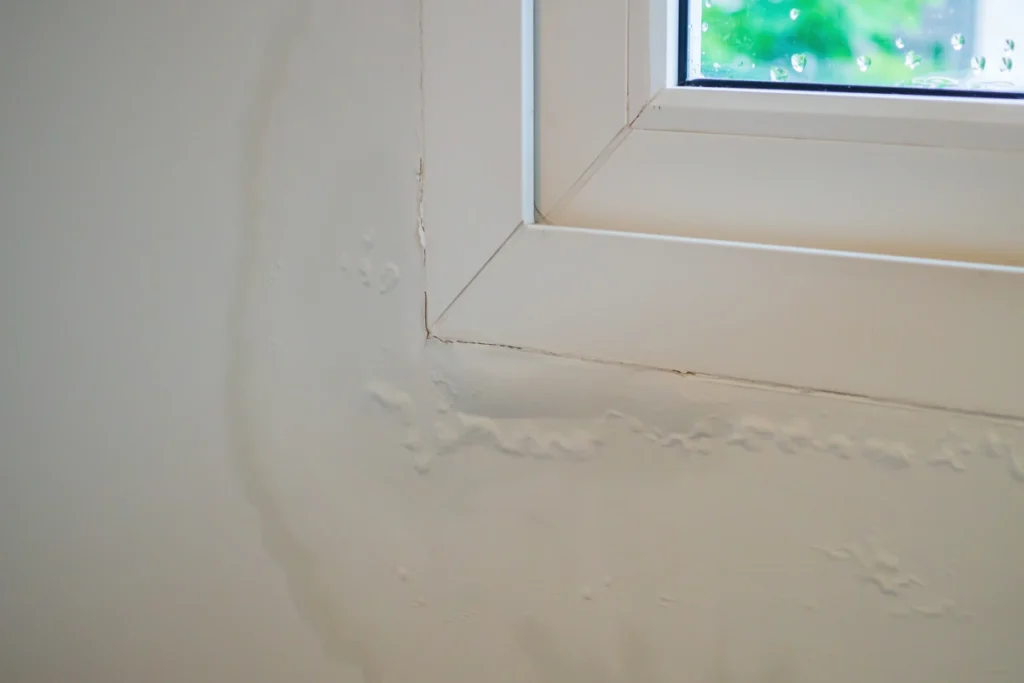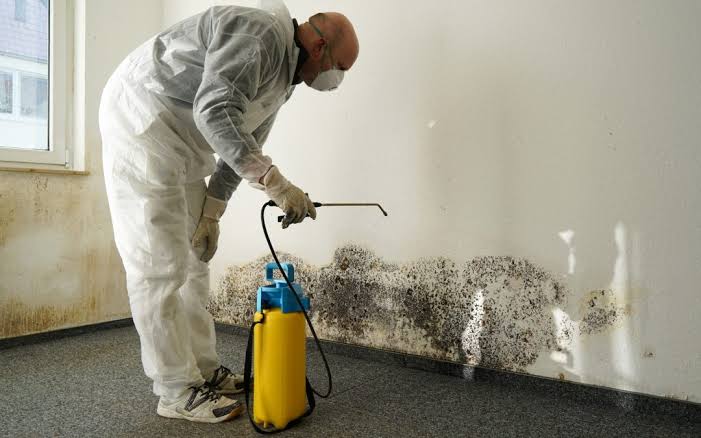
When water damage hits a home or business in Tacoma, the first question most people ask is simple: how long will this take? The honest answer depends on the size of the loss, how quickly the water was stopped, what materials were affected, and how much drying and cleanup is required. In many cases, the process can move faster than people expect when a restoration team responds quickly. In other situations, especially when water has traveled into walls, subfloors, insulation, or multiple rooms, the timeline can stretch longer because proper drying must happen before repairs can safely begin.
For Tacoma property owners, speed matters for another reason too. The local climate brings frequent moisture, rain, and damp conditions that can complicate drying if the work is not managed correctly. Homes near the Tacoma waterfront, neighborhoods closer to Commencement Bay, and properties in shaded or low-ventilation areas can take longer to dry than people assume. That is why a professional inspection and structured restoration plan are so important. A company like American Standard Restoration in Tacoma WA for water damage recovery is positioned to respond to urgent loss situations with extraction, drying, and cleanup steps designed to reduce the risk of long-term damage.
If you are trying to understand the timeline before you call for help, it helps to break water damage restoration into stages. Each stage has its own purpose, and each one affects the total time. Some jobs are mostly about removing water and drying visible surfaces. Others involve hidden moisture detection, removal of damaged materials, sanitation, odor control, and repairs. The key is that restoration should not be rushed just to finish quickly. A job that is completed too fast can leave moisture behind and create bigger issues later, including mold growth, warped framing, damaged drywall, and lingering odors.
What Affects the Water Damage Restoration Timeline in Tacoma
There is no single number that fits every property. Still, there are common factors that determine whether a restoration takes a day, several days, or longer. One of the biggest factors is the source of the water. Clean water from a supply line or appliance leak is generally easier to address than water that has sat for a long time or water contaminated by sewage, storm runoff, or outdoor intrusion. The cleaner the water and the faster the response, the shorter the process usually is.
The amount of water is another major factor. A small leak under a sink may affect a cabinet base and a portion of flooring, while a burst pipe in an upper level can send water through ceilings, walls, and multiple rooms below. The bigger the spread, the more time it takes to inspect, extract, dry, and restore each affected area. The type of building materials also matters. Carpet, drywall, hardwood, laminate, concrete, insulation, and framing all dry at different speeds and may respond differently to moisture. A material that can be saved in one loss may need replacement in another.
In Tacoma, exterior conditions can influence the timeline as well. Cool temperatures, humidity, and rainy weather can slow evaporation, especially if ventilation is poor or if the property is sealed up without the right drying equipment. Even when outdoor weather is mild, enclosed spaces can remain damp if air movement, dehumidification, and heat are not balanced properly. That is why restoration crews use moisture meters, air movers, and dehumidifiers rather than relying on appearance alone. A surface may look dry while the subfloor or wall cavity still holds moisture.
Access also affects timing. If a leak is easy to reach and damage is limited to open areas, the work can move quickly. If contents must be moved, furniture must be protected, and walls or flooring need controlled removal, the project takes longer. Properties with finished basements, crawl spaces, complex layouts, or built-in cabinetry often require more careful handling. In a city like Tacoma, where homes range from older craftsman-style properties to newer builds and mixed-use buildings, no two losses look exactly alike.
Typical Water Damage Restoration Phases and How Long Each One Can Take
The restoration process is usually divided into several phases. First comes emergency response and assessment. A fast-arriving team evaluates the source of the water, identifies the affected areas, and determines whether extraction is needed right away. This initial visit may take less than an hour in a small situation or longer for more complex damage. The point is to create a clear scope so the rest of the work can be handled correctly.
Next comes water extraction. If there is standing water, removing it quickly is critical. In many residential losses, extraction can be completed in a few hours, but heavier flooding or water trapped in carpets and padding may take longer. The more completely water is removed at the start, the more efficient the drying phase becomes. This is especially important when water has spread into lower-level spaces or along perimeter walls.
After extraction, the drying phase begins. This is often the longest part of the process. In a minor loss, drying may take three to five days. In more substantial losses, drying can take a week or more. The timeline depends on the materials affected, the depth of saturation, the humidity in the building, and whether wet materials were removed during the first day. Drying equipment is typically left in place and adjusted as needed. Progress is tracked with moisture readings rather than guesswork.
Once the structure is dry, cleanup and repairs begin. This may include removing damaged drywall, replacing insulation, installing new flooring, repainting, and restoring trim or cabinets. The repair stage varies the most because it depends on the scope of the loss and the availability of materials. A small repair can be completed quickly after drying ends, while a larger reconstruction project may take additional time. If contents restoration is involved, that can add another layer of work.
How Long Does Water Damage Restoration Usually Take?
For many Tacoma properties, the complete process may take anywhere from a couple of days to several weeks, depending on severity. If the issue is caught early and damage is limited, emergency response, extraction, and drying may be finished in three to five days, with minor repairs following soon after. If water has affected multiple rooms, structural materials, or hidden areas, the full restoration can extend beyond that. The important takeaway is that the visible part of the project is usually only one piece of the timeline.
For example, a small kitchen supply-line leak discovered quickly may require extraction, drying, and limited cabinet or flooring repair. That kind of job can move relatively quickly if the affected materials are accessible. By contrast, a second-story bathroom leak that runs into framing, subfloors, and a downstairs ceiling may require demolition of damaged materials, drying of concealed cavities, and reconstruction afterward. Even if the drying only takes a few days, the repair stage could add more time because trades and materials must be scheduled correctly.
It is also important to understand that some properties need monitoring before they can move to the next phase. Drying is not finished simply because the equipment has run for a set number of days. Moisture readings have to confirm that the affected structure has returned to an acceptable level. If readings remain elevated, equipment may need to stay in place longer. This protects the property from hidden moisture that can cause future problems.
Why Faster Response Often Shortens the Total Restoration Time
Time is one of the most important variables in water damage recovery. The sooner the response, the less chance water has to migrate into walls, floors, and structural cavities. A leak left overnight can become a bigger project by morning. A leak left for several days can lead to swelling, staining, microbial growth, and permanent damage to finishes. Fast extraction can reduce the amount of demolition needed, which helps shorten the overall timeline.
In Tacoma, where homes and businesses may face rainy conditions or moisture-prone environments, rapid response becomes even more valuable. A property near Point Defiance, the Stadium District, North End, Eastside, or areas around South Tacoma Way may face different exposure patterns, but the principle is the same: the faster standing water is removed and the structure is dried, the less likely the loss is to spread. Quick action can protect belongings, reduce reconstruction needs, and restore normal use sooner.
Speed, however, should never replace precision. Restoration work has to be both prompt and thorough. A company may respond quickly to remove water, but if hidden moisture is not tracked carefully, the building may still need additional work later. The best approach is an organized one: assess, extract, dry, verify, and then repair. That process protects the property and keeps the timeline realistic.
Common Tacoma Scenarios That Change the Schedule
Different water damage scenarios produce different timelines. A plumbing leak inside a wall may seem small at first, yet the wall cavity may remain damp for days if not opened and dried properly. An appliance failure in a laundry room may affect flooring and drywall, but if the issue is caught early, the restoration can stay fairly contained. A roof leak during a storm can be trickier because water may follow framing and drip into multiple areas before the problem is identified.
Older homes in Tacoma can present added complexity. Original construction materials, past remodels, and hidden patchwork repairs can affect how water travels and how quickly the building dries. In some cases, flooring systems may include layers of materials from different renovation periods, and each layer dries differently. In newer homes, high-efficiency construction can also create drying challenges if water is trapped inside tighter building assemblies. Both older and newer properties benefit from careful inspection.
Commercial properties may take longer because they often require larger drying setups and more coordination. Offices, retail spaces, restaurants, and mixed-use buildings may need after-hours work, contents protection, or tenant communication. The restoration timeline can also be affected by health and safety considerations if the water source is contaminated or if operations must remain partially open during the work.
What Customers Can Expect During the Process
Property owners often want to know what they will actually see during restoration. In the beginning, expect an inspection and moisture evaluation. Technicians may check visible surfaces, then use specialized tools to determine how far the water has spread. If extraction is needed, they will remove standing water and place drying equipment. You may hear fans and dehumidifiers running for several days. That is normal and part of the process.
During drying, equipment placement matters. Air movers are positioned to increase airflow across wet surfaces, while dehumidifiers remove moisture from the air so the structure can dry more effectively. Technicians may return to take moisture readings and adjust the setup. If certain materials are not drying as expected, additional demolition or repositioning may be needed. This monitoring helps avoid guesswork and keeps the project on track.
As drying progresses, the team may identify materials that need replacement rather than repair. This is common when drywall is saturated, insulation has been compromised, or flooring has warped. Once everything is dry, cleanup and repairs can begin. Depending on the scope, the process may feel like a sequence of smaller projects, but each step is tied to the same goal: returning the property to a safe, usable condition.
How to Avoid Delays in Water Damage Restoration
One of the best ways to shorten the timeline is to call for help immediately when water damage is discovered. Waiting to see if the problem dries on its own usually leads to more damage. Another important step is to stop the source of water if it is safe to do so. Turning off the main water supply, shutting off an appliance valve, or containing the source can keep the loss from expanding before help arrives.
Homeowners should also avoid making assumptions based on surface appearance. A floor may feel slightly dry while the underlayment remains soaked. A wall may look unchanged while insulation inside the cavity is still damp. Restorers use tools that measure moisture behind visible surfaces. That is why it is important not to rush into repainting, re-laying flooring, or sealing surfaces before a property is confirmed dry.
Documentation can help too. Taking photos, noting when the water was first discovered, and keeping records of affected rooms or belongings can make the process smoother. If the damage is related to insurance, this information may help with claim handling. Clear communication with the restoration team also matters. If you notice new staining, smells, or damp areas, mention them early so the plan can be adjusted.
Why Tacoma Properties Need Careful Moisture Verification
Moisture verification is one of the most important parts of the process because Tacoma’s climate can make drying deceptive. A building may feel comfortable inside while materials inside the walls are still above acceptable moisture levels. If hidden dampness is left behind, it can create future headaches such as odors, microbial growth, and deterioration in framing or finishes. That is why professional drying is measured and documented, not guessed at.
This matters in local neighborhoods across the city, from Proctor and the North End to South Tacoma and areas near the Tacoma Dome or University of Washington Tacoma. Different building styles and exposures can affect how water behaves. A well-managed restoration plan considers the building itself, the weather, the source of the loss, and the hidden areas that often get overlooked. That level of care is what makes the difference between a temporary fix and a complete recovery.
For property owners, the reassurance comes from knowing that the process is being checked at each step. Extraction removes the obvious water. Drying addresses the hidden moisture. Monitoring confirms progress. Repairs finish the job. When all of those pieces are handled in order, the timeline is more predictable and the result is more durable.
How American Standard Restoration Approaches Water Damage in Tacoma
American Standard Restoration focuses on helping homes and businesses recover quickly after water and flood damage. Their Tacoma-based service model is built around fast response, moisture detection, structural drying, full cleanup, and support for both residential and commercial properties. That approach reflects what water damage actually requires: not just removing what you can see, but also checking the structure carefully so the property can be restored correctly.
For property owners comparing options, that matters because a restoration job is not only about equipment. It is about judgment, communication, and follow-through. A knowledgeable team helps you understand what was affected, what can be saved, what must be removed, and how long each step is likely to take. That clarity helps reduce stress during an already disruptive event. It also gives you a more realistic timeline, which is especially valuable if you are trying to coordinate family routines, business operations, or insurance concerns.
For readers who want to understand the broader services available, the company’s Tacoma water damage restoration service for fast structural drying explains the core service area in more detail, while customer feedback and restoration experiences in Tacoma WA can offer additional context about how the team communicates and supports property owners through the process. Those pages can help you get a better sense of the company’s scope before you call.
How to Know When the Job Is Truly Finished
A water damage restoration project is finished when the structure is dry, damaged materials have been properly addressed, cleaning is complete, and any agreed-upon repairs have been performed. In practical terms, that means the property is once again safe and functional, with no lingering signs of moisture in the areas that were impacted. Finishing too early can leave hidden problems behind, so the final confirmation step is just as important as the first extraction.
Property owners should ask questions if anything is unclear. Which materials were removed and why? What moisture readings were recorded? Are there any areas that still need monitoring? What repairs are temporary and what work is permanent? Good communication builds trust and helps ensure the restoration was done correctly. It also gives you a better understanding of the actual time required, rather than a rushed estimate that does not reflect what the building needs.
In many cases, the biggest lesson is that water damage restoration time is not just about the clock. It is about the condition of the building. A quick-looking surface can hide a long drying requirement, and a seemingly small leak can spread farther than expected. The right response balances urgency with careful verification so the property can return to normal without repeating the problem.
Frequently Asked Questions
How long does water damage restoration take for a small leak in Tacoma?
A small leak may take only a few days to address if it is discovered quickly and affects a limited area. The process usually includes inspection, extraction if needed, drying, and then minor repairs. If the leak is under a sink, behind an appliance, or along a small section of flooring, the affected area may be contained enough to dry efficiently. Even then, the exact timing depends on what materials got wet and whether moisture spread into hidden spaces. In Tacoma, the damp climate can sometimes slow natural drying, which is why equipment and monitoring are so important. A fast response usually gives the best chance of a short timeline.
Why does drying sometimes take longer than the water cleanup itself?
Water cleanup removes standing water and visible moisture, but drying is a separate stage that addresses what has soaked into materials. Drywall, insulation, subflooring, framing, and carpet padding can hold water long after the floor looks clean. The drying phase uses air movement, dehumidification, and temperature control to remove that trapped moisture. In many cases, drying takes longer because the water is no longer visible, but it still has to be removed from deep inside the structure. This is especially true in homes with enclosed wall cavities, layered flooring, or limited ventilation. The cleanup may seem quick, but true restoration depends on the structure reaching safe moisture levels before repairs begin.
Can water damage restoration be completed in one day?
In rare cases, very minor water damage can be stabilized in a single day, especially if the source was stopped immediately and only a small area was affected. That said, a full restoration is usually more than one day because drying and verification take time. Even if extraction is completed quickly, the materials may still need several days to dry. If there is any structural saturation, demolition or repair may also be needed. One-day completion is more likely for emergency mitigation than for a complete restoration. If you want the work done correctly, the focus should be on removing the water quickly and then letting the structure dry fully, even if that extends the overall timeline.
What makes Tacoma homes more challenging to dry after water damage?
Tacoma homes can be challenging to dry because the region’s climate is often cool and moist, which slows evaporation. Exterior weather is only part of the issue. Some homes have limited airflow, older construction assemblies, or lower-level rooms where humidity lingers. Homes near the waterfront or in shaded neighborhoods may also experience slower natural drying. In addition, local properties vary widely in age and design, which means some will have plaster, older framing, or layered remodel materials that respond differently to moisture. Because of these variables, professional equipment and moisture testing are often needed rather than simple fans or open windows.
Do I need to remove flooring after water damage?
Not always, but flooring often needs to be evaluated closely. Carpet may sometimes be salvageable if the water source was clean and the response was fast, though padding often needs replacement. Laminate and engineered wood can swell or delaminate when exposed to water, which may require removal. Solid hardwood may sometimes be restored with the right drying strategy, but the extent of the saturation matters. Subfloor conditions are also important because damage below the surface can affect the success of the repair. The decision should be based on moisture readings and material condition, not just appearance. If the flooring is warped, stained, or delaminating, it may not be safe or practical to keep it.
How do professionals know when the structure is fully dry?
Professionals use moisture meters, thermal imaging, and other diagnostic tools to measure what cannot be seen. They compare affected areas to unaffected areas and look for readings that show the structure has returned to acceptable levels. Surface dryness alone is not enough, because hidden moisture can remain inside walls or under floors. The team may also check humidity levels and monitor changes over time to make sure the drying environment is working properly. Once readings stabilize and match dry standards for the materials involved, the project can move forward. This verification step is one of the main reasons professional restoration is more reliable than a guess based on touch or appearance.
What happens if water damage is left untreated for too long?
If water damage is left untreated, the problem can worsen quickly. Materials may swell, paint may peel, flooring may buckle, and structural components can start to deteriorate. Moisture that remains trapped in walls or flooring can also create odors and support microbial growth. In a place like Tacoma, where ambient moisture can already be high, untreated water damage can be especially troublesome because the environment does not help the structure dry on its own very quickly. The longer the delay, the more likely demolition and repairs will be needed. That is why prompt assessment is so important. Early intervention often saves both time and money.
Does water damage restoration include cleanup and repairs?
Yes, it often does, though the exact scope depends on the damage. Cleanup usually includes water extraction, debris removal, sanitation, odor control, and drying equipment setup. Repairs can include drywall replacement, flooring installation, repainting, trim work, and other reconstruction tasks. Some projects stop after mitigation and drying, while others continue into full restoration. The goal is to return the property to a stable, usable condition. If contents were affected, there may also be work related to furniture, belongings, or document recovery. A complete service approach helps reduce the need to coordinate multiple companies for different steps.
How can I reduce the total restoration time after a leak or flood?
The fastest way to shorten the timeline is to act immediately. Shut off the water source if it is safe, call for professional help, and avoid disturbing wet materials unnecessarily. Do not wait to see if the area dries naturally, especially in Tacoma’s damp climate. Keep people and pets out of affected spaces if possible, and document the damage with photos. Quick action helps prevent the water from spreading and gives the restoration crew the best chance to save materials. It also helps to answer questions clearly when the team arrives, such as when the leak started and what rooms were affected. The more quickly the response begins, the shorter the overall project is likely to be.
How long should I expect repairs to take after the drying phase?
Repairs can take anywhere from a short time to several additional weeks, depending on what was damaged. Small cosmetic work may be completed soon after drying is verified, while larger reconstruction projects require more coordination. Material availability, matching existing finishes, and the extent of demolition all affect the schedule. If cabinetry, flooring, or specialized trim has to be ordered, that may extend the timeline. For larger losses, repairs may be staged so the most urgent work happens first and finishing details follow later. The important point is that drying must be complete before repairs begin, because rebuilding over wet materials can cause the problem to return. A clear plan from the start helps set realistic expectations.
When you are dealing with water damage in Tacoma, the shortest path to recovery is not just fast action but the right sequence of action. Extract the water quickly, dry the structure thoroughly, verify the moisture readings, and then complete the repairs with care. That approach protects your property, supports a safer outcome, and helps avoid repeat damage. If you are facing a leak, flood, or moisture problem now, the smartest next step is to get an experienced team involved as soon as possible so the timeline can be assessed accurately and the restoration can begin the right way.