When a pipe bursts, a washing machine overflows, or floodwater starts creeping across a Tacoma home, speed matters more than almost anything else. The first hour can decide how much material can be saved, how far moisture travels, and whether a cleanup stays manageable or turns into a major reconstruction project. If you are searching for rapid help after a leak or flood, the key question is not just who can help, but how quickly professional water damage restoration can realistically begin in Tacoma.
In Tacoma and the surrounding Pierce County area, fast response is especially important because homes and businesses often deal with a mix of older construction, rainy weather, and moisture-sensitive materials. The longer water sits in walls, subfloors, insulation, and cabinets, the more likely it is to spread, soak deeper, and create secondary damage. That is why many property owners contact American Standard Restoration right away through the Tacoma water damage restoration specialists at American Standard Restoration when an emergency happens.
Based on the service information available on the company’s Tacoma water damage page, the restoration process is centered on complete water damage restoration for homes and businesses, including water extraction, structural drying, moisture detection, and full flood cleanup. The company also states that it responds quickly and handles the process from extraction through cleanup and repairs. In practical terms, that means restoration can begin as soon as a technician is dispatched, arrives, and starts assessing the loss. For many emergency water jobs, that can be the same day, and in urgent situations the response should be immediate.
But how fast can work actually start after a leak or flood in Tacoma? The answer depends on several factors: the severity of the loss, the source of the water, access to the property, the time of day, and how far the moisture has already traveled. A small supply-line leak under a sink may allow for a focused response and rapid mitigation. A major flood affecting multiple rooms, crawl spaces, or wall cavities may require more equipment and a more extensive initial setup. Either way, the goal is the same: stop the water, assess the damage, remove standing water, dry affected materials, and prevent long-term issues like warping, microbial growth, and structural deterioration.
What “starting fast” really means in a Tacoma water emergency
In the restoration industry, “starting fast” does not only mean when someone answers the phone. It means when the property begins to move from active damage to active mitigation. That typically includes several steps: emergency contact, dispatch, on-site assessment, water extraction, moisture mapping, and the deployment of drying equipment. The quicker those steps begin, the better the chance of saving materials and reducing the overall impact.
For a homeowner in neighborhoods such as North End, Proctor, Stadium District, South Tacoma, or East Tacoma, fast start time can be especially valuable because many homes have a mix of finishes that respond differently to moisture. Hardwood, baseboards, drywall, carpet pad, cabinets, and framing all absorb and release water at different rates. In a commercial property near downtown Tacoma, Tacoma Mall, or busy corridors like South 38th Street and Pacific Avenue, a fast response also helps reduce downtime and protect inventory, office equipment, and customer areas.
The Tacoma service page emphasizes full water damage restoration, water extraction, structural drying, moisture detection, and flood cleanup. Those are the core steps that define the beginning of the job. Once those steps are underway, the restoration team can determine whether the property needs limited drying or a broader repair plan. The earlier that process starts, the more likely the cleanup can stay contained.
Why the first few hours matter so much
Water spreads quickly through building materials. Even if a leak looks small on the surface, water often moves under flooring, into seams, behind trim, and inside wall cavities. By the time visible puddles are wiped up, hidden moisture may already be affecting other parts of the structure. That is why professional restoration teams rely on moisture detection, not just visual inspection. The goal is to find where the water actually went, not only where it is visible.
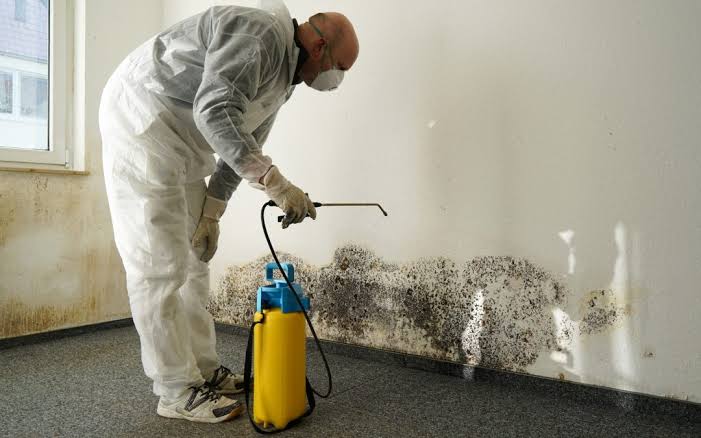
In Tacoma’s climate, where rain is common and humidity can already be a concern, drying is not something to delay. Moisture left in place can create odors, discolor finishes, and increase the chance of secondary damage. If the water source is contaminated or if the flooding affected porous materials for a prolonged period, the cleanup becomes more complex. Starting quickly reduces the window in which those problems can develop.
American Standard Restoration’s service description highlights removing standing water and thoroughly drying affected areas. That is important because standing water is only part of the problem. Saturated materials continue releasing moisture long after the visible water is gone. Professional drying equipment helps create controlled airflow, dehumidification, and evaporation so the structure can be stabilized faster than it would dry on its own.
How quickly can a team begin after you call?
The fastest realistic answer is: as soon as the team can dispatch, arrive, inspect, and begin mitigation. For urgent water losses, that is often the same day and sometimes very quickly after the call. The company’s Tacoma page invites property owners to reach out by phone at 439-9968 or send a message through the contact form so the team can respond promptly. That kind of response model is what property owners should look for in a local restoration provider.
Actual start time depends on how busy the schedule is, what type of event happened, and whether the job is an emergency. If water is actively entering the property, the restoration team’s first priority is stopping further spread and protecting the structure. If the source is already contained, the team can move straight into mitigation. In both cases, the initial visit should happen quickly enough to prevent avoidable damage.
For a Tacoma resident dealing with a burst hose in a laundry room, that may mean extracting water and placing drying equipment within hours. For a business dealing with a pipe break after closing time, it may mean early morning response so operations can resume sooner. The key point is that professional water damage restoration should not wait until the next day if a faster response is available.
What happens during the first visit
The first visit is the foundation of the entire restoration project. A proper initial response usually begins with a visual inspection and moisture assessment. The technician identifies the source of water, determines whether the area is safe, and evaluates the affected materials. If standing water is present, extraction begins immediately. The technician then checks moisture levels in nearby materials to see how far the water traveled.
On the Tacoma service page, the company describes moisture detection as part of its complete restoration service. That detail matters because a surface-level cleanup is rarely enough. Moisture detection tools help locate hidden wet areas in drywall, framing, subfloors, and other materials. Without that step, some water damage can be missed, leading to later deterioration or odors.
Once the wet areas are identified, structural drying equipment may be placed to speed up evaporation. Depending on the size of the loss, this may include air movers, dehumidifiers, and targeted drying setups. The technician may also discuss next steps for repairs if certain materials are too damaged to save. Starting fast allows the team to make those decisions before the damage spreads further.
Different leak and flood scenarios, and how fast they can start
Not every water loss begins the same way. A minor plumbing leak and a full-scale flood require different response plans, but both benefit from immediate action.
A slow leak under a sink, behind a toilet, or around a refrigerator water line may allow the team to begin with limited extraction and drying. These jobs often start quickly because the affected area is localized. If the leak is caught early, cabinet contents, trim, and flooring may be saved with minimal disruption.
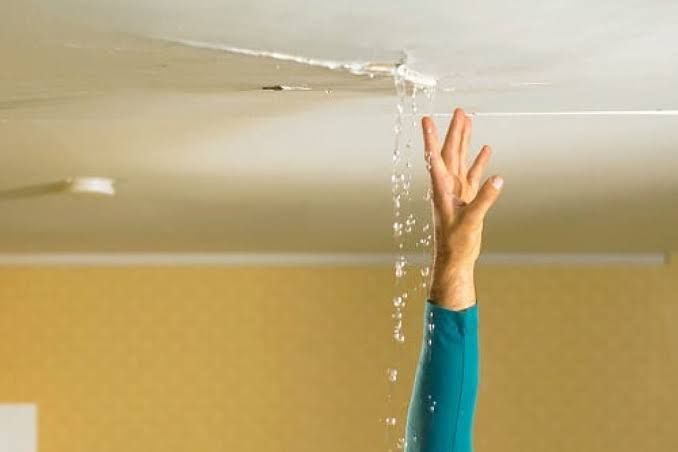
A burst pipe, on the other hand, can move a large amount of water into multiple rooms in a short period of time. In that case, the team’s first task is to reduce further loss, remove standing water, and begin stabilizing the structure. Even if the source is shut off quickly, the spread may be significant, especially in homes with crawl spaces or layered flooring systems.
Flooding from heavy rain, drainage problems, or stormwater intrusion may be even more complex. In Tacoma, where weather and runoff can both contribute to property damage, flood cleanup may involve not only extraction and drying but also contamination control and more extensive material removal. The sooner restoration starts, the more likely the team can preserve structural components and reduce the amount of demolition required.
Local Tacoma conditions that make speed especially important
Tacoma has many factors that make quick water damage restoration important. The city’s weather patterns can keep buildings damp longer than in drier climates, so delays in drying can have bigger consequences. Older homes in areas like the North End, Hilltop, and older parts of South Tacoma may contain materials that are more vulnerable to prolonged moisture. Properties near Commencement Bay, the Foss Waterway, or low-lying streets can also face weather-related moisture issues more often than owners expect.
High-traffic areas like the Tacoma Mall corridor, downtown, and neighborhoods near major routes such as Interstate 5 and State Route 16 may see business interruptions quickly if water damage affects a commercial property. For families living near Point Defiance Park, Wright Park, or the University of Washington Tacoma area, the concern is often protecting flooring, furniture, and the safety of the structure itself.
Fast response is not just about convenience. It is about minimizing the impact of Tacoma’s damp environment on already wet materials. The faster a property is professionally dried, the lower the chance that the remaining moisture keeps feeding damage behind the scenes.
What American Standard Restoration says it provides
The Tacoma service page identifies the company as a professional water damage restoration provider for homes and businesses in Tacoma, WA. It also states that the team handles water extraction, structural drying, moisture detection, and full flood cleanup. The page further notes that the company responds quickly and provides complete restoration, including cleanup and repairs. Those are the kinds of services that matter most when time is critical.
That service mix suggests a process built around rapid mitigation first, then recovery and repair. Instead of stopping at the visible water, the company’s approach is designed to address the entire path of damage. That is what property owners need when they want a fast start and a thorough finish. It also signals that the team understands the difference between simply drying a floor and restoring a property to a usable condition.
For Tacoma property owners, that means one call can start a process that addresses the immediate emergency and the longer restoration timeline. If the home or business is in a neighborhood like University Place, Lakewood, Gig Harbor, Puyallup, or another nearby community served by the company, a local response can make the difference between a small project and a much larger one.
How to prepare your property before the team arrives
If water is still actively entering your property, safety comes first. If it is safe to do so, shut off the source of water. If the leak is connected to electrical hazards, avoid standing water and wait for professional help. You should also move valuables, documents, and electronics away from the affected area if you can do so without risk. Taking a few quick steps can help the restoration team focus on mitigation when they arrive.
It helps to photograph the damage if conditions allow. Pictures of standing water, damaged materials, and the source of the leak can help document the loss. However, documentation should never delay emergency action. If the water is spreading, your priority is to stop the spread and call for help immediately.
When you contact a restoration company, be ready to explain where the water came from, how long it has been present, whether electricity is affected, and whether the source is ongoing. That information helps the team determine how quickly they need to bring equipment and what type of initial response to prepare.
Signs you need immediate professional help
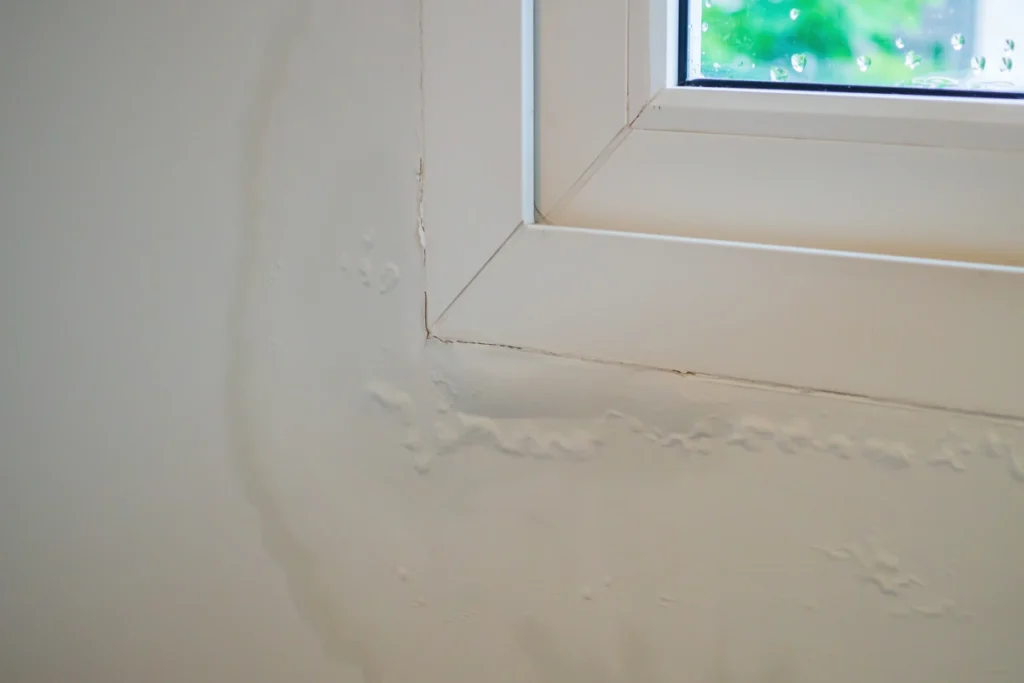
Some situations require a same-day or immediate response. If there is standing water, visible ceiling sagging, wall bubbling, soaked carpet, a broken pipe, or water near electrical components, do not wait. If you smell musty odors after a leak or flood, that may indicate moisture has already moved into hidden spaces. If flooring feels soft, warped, or spongy, the damage may be advancing.
Another major sign is repeated water intrusion. If a leak keeps coming back or the source is not obvious, professionals can trace the problem and address the damage properly. Waiting can make the job more expensive and can increase the chance that some materials must be removed rather than saved.
In Tacoma, where many properties are exposed to seasonal rain and occasional storm-related water issues, even “small” water events can become significant if they are not addressed quickly. Immediate restoration is the best way to reduce risk and keep the problem from becoming structural.
Why moisture detection is a critical part of a fast response
Fast restoration should never mean rushed restoration. A team can move quickly and still be methodical. Moisture detection is the tool that keeps the process accurate. It helps the technician find the full extent of water penetration and confirm when materials have dried to acceptable levels.
This matters because one room can appear dry while adjacent framing remains wet. A carpet may feel dry on top while the pad underneath still holds moisture. A wall may look normal while insulation inside is saturated. Moisture detection prevents these hidden problems from being overlooked.
The Tacoma service page specifically includes moisture detection in the company’s offerings, which is a strong signal that its restoration process is designed to be thorough. For the property owner, that means the start of restoration is not just about moving quickly; it is about moving smartly and making sure nothing is left behind.
What a good response timeline looks like
A good response timeline after a leak or flood usually looks something like this: the property owner calls, the company gathers key information, the crew is dispatched, the technician arrives, the source is assessed, standing water is removed, and drying begins. If necessary, damaged materials are documented and a repair plan is developed. That sequence can happen very quickly when a local company is available and the loss is treated as an emergency.
For a Tacoma homeowner, the goal should be to get that process moving the same day whenever possible. For a business, the pressure is even greater because closure time, inventory loss, and customer disruption all cost money. A local company that can begin quickly helps reduce both property damage and operational downtime.
The most important thing is to call as soon as you notice a leak, flood, or unexplained moisture. The moment you wait, water gets more time to spread and more materials become vulnerable.
Conclusion: fast action is the best protection
So, how fast can water damage restoration start after a leak or flood in Tacoma? In the best case, it can begin very quickly after the call, often the same day and sometimes within hours, depending on the emergency and scheduling. The actual start time depends on the severity of the loss, but the principle is always the same: the sooner mitigation begins, the better the outcome.
American Standard Restoration’s Tacoma water damage service emphasizes quick response, water extraction, structural drying, moisture detection, and full flood cleanup for homes and businesses. That combination is exactly what Tacoma property owners need when water enters a structure unexpectedly. If you are facing a leak or flood, do not wait to see whether it gets worse. Call, document what you can, and get the response started as soon as possible.
When water damage begins, time is your biggest enemy and the right restoration team is your biggest advantage. Acting fast protects the structure, lowers the chance of hidden damage, and gives your home or business the best chance of a smooth recovery. If you need a local resource, the Water Damage Restoration Tacoma WA service for fast leak and flood cleanup is the core service page to review, and the company’s emergency restoration reviews and property damage response page can help you understand how they present their work and local service approach.
Frequently Asked Questions
How quickly should water damage restoration start after a leak in Tacoma?
It should start as soon as possible, ideally the same day and often within hours if the situation is treated as an emergency. The reason speed matters is that water continues to spread after the initial leak is noticed, even if the visible puddle is small. Moisture can move beneath flooring, behind walls, and into insulation where it is harder to see. A fast response usually begins with stopping the source, removing standing water, and setting up drying equipment. In Tacoma, quick action is especially important because the local climate can slow natural drying and keep moisture trapped longer. The sooner a professional team can assess the damage, the better the chance of saving materials and preventing secondary issues like warping, odors, and hidden deterioration.
Can a restoration crew start the same day a flood happens?
Yes, same-day service is often the goal for a flood or major leak, especially when water is actively affecting floors, walls, or ceilings. A restoration crew can usually start with emergency mitigation once they arrive, which may include extraction, moisture mapping, and equipment placement. The exact timing depends on the severity of the loss, the time the call is made, and how many active emergencies the company is handling. If the source of the water is still active, the crew’s first task is to help stabilize the situation. For Tacoma property owners, same-day service is important because delays can lead to additional materials being damaged. Even a few hours can make a difference when water reaches drywall, cabinetry, and subflooring.
What should I do before the water damage team arrives?
If it is safe, turn off the water source and keep clear of electrical hazards. Move belongings, documents, and electronics away from the wet area if you can do so without putting yourself at risk. If standing water is present, avoid walking through it until you know there are no electrical concerns. Photograph the damage if possible, but do not let documentation delay emergency action. It also helps to gather basic information about the leak or flood, such as where it started, how long it has been happening, and whether it is still active. The more details you can provide when you call, the faster the restoration company can prepare the right response. In Tacoma homes and businesses, quick reporting often helps reduce the total damage.
Why is structural drying so important after water extraction?
Water extraction removes the visible water, but it does not remove all moisture from building materials. Floors, drywall, trim, subfloors, and framing can hold water long after puddles are gone. Structural drying is the process of using targeted airflow and dehumidification to reduce that hidden moisture and stabilize the property. Without it, damp materials may continue to swell, stain, or break down. In some cases, the moisture can also create odors or allow microbial growth to develop. Structural drying is especially important in Tacoma because local weather conditions can make natural drying slow and inconsistent. A professional drying setup helps ensure the property is drying in a controlled way instead of leaving it up to the environment.
How do I know if the water damage is hidden inside the walls?
Hidden water damage often shows up through indirect signs rather than obvious puddles. You may notice musty odors, paint bubbling, warped baseboards, soft drywall, discoloration, or flooring that feels uneven. In some cases, a wall may look normal even though the insulation behind it is still wet. That is why moisture detection is such an important part of restoration. Technicians use tools to check materials that cannot be inspected by sight alone. This helps locate the full extent of the damage and decide what needs drying or removal. In Tacoma, hidden moisture can be easy to overlook because a room may appear to dry on the surface while deeper materials stay damp. The sooner hidden moisture is found, the easier it is to prevent more serious damage later.
Does every leak require full water damage restoration?
Not every leak turns into a major project, but every leak should be evaluated quickly. A very small leak caught early may only need limited drying and minor cleanup. However, if the water has soaked into flooring, walls, cabinets, or insulation, professional restoration is usually the safest and most effective choice. The reason is that water damage is often larger than it appears. Even a small supply-line leak can travel under materials and affect more of the structure than expected. A restoration team can assess the scope, determine what can be saved, and decide whether drying alone is enough or whether repairs are needed. In Tacoma, where damp conditions can make drying slower, it is better to have the leak inspected rather than assume it is minor.
What kinds of water damage are most urgent in Tacoma homes?
Any water damage that is active, spreading, or near electrical systems should be treated as urgent. Burst pipes, appliance overflows, roof leaks during heavy rain, sewage-related backups, and floodwater intrusion all require immediate attention. Leaks that affect ceilings or upper floors are especially concerning because water can move downward and affect multiple levels. In Tacoma, properties near older infrastructure or in areas with significant rain exposure may face repeated moisture issues, so fast intervention is important. The key is not just the source of the water but how quickly it is moving and what materials it has reached. The earlier a professional team responds, the more likely the job can stay focused on mitigation rather than major reconstruction.
How does fast response reduce repair costs?
Fast response reduces repair costs by limiting how far the water spreads and how long materials stay wet. The longer water sits, the more likely drywall, insulation, flooring, trim, and cabinets are to swell, stain, or break down. Quick extraction and drying can preserve materials that would otherwise need to be removed and replaced. It can also reduce the chance of secondary damage, which is often what drives up the cost of a project. For example, a leak that is addressed immediately may only need drying and minor repair, while the same leak ignored overnight could require demolition and reconstruction. In Tacoma, where environmental moisture can make drying slower, speed is one of the most effective ways to control costs and reduce disruption.
What makes professional moisture detection better than checking by touch?
Touch can only tell you what is on the surface. Professional moisture detection can help identify wet areas inside walls, under flooring, and in other hidden parts of the structure. Materials may feel dry on the outside while still holding significant moisture inside. Restoration professionals use specialized tools to measure and compare moisture levels so they can see where the water went and whether drying is complete. This reduces guesswork and helps prevent hidden damage from being missed. In Tacoma, where homes and businesses may contain layered materials and older construction details, moisture detection is especially useful because water can travel in unexpected ways. Accurate measurement leads to better restoration decisions and more reliable results.
Can businesses in Tacoma get water damage restoration after hours?
Many businesses need after-hours help because water damage does not wait for business hours to happen. A fast-response restoration company can often begin mitigation early in the morning, late at night, or as soon as a crew is available for emergency work. This is especially valuable for offices, retail stores, restaurants, and service businesses that need to reopen quickly. After-hours response helps reduce downtime and can protect inventory, furnishings, and equipment. In a busy Tacoma commercial corridor, even a few hours of delay can affect operations, so the ability to start quickly is a major advantage. The best approach is to call immediately, explain the situation clearly, and ask how soon the team can dispatch.
What should I look for in a Tacoma water damage restoration company?
Look for a company that offers quick response, water extraction, structural drying, moisture detection, and complete cleanup. You want a team that can handle the problem from the first emergency steps through the restoration process. Local experience also matters because Tacoma properties face specific weather and building-related moisture issues. A good company should communicate clearly, explain the process, and help you understand what needs to happen next. It should also be prepared to respond promptly when water damage is urgent. On the practical side, review the company’s service area, contact information, and restoration scope so you know how to reach them quickly during an emergency. In a water loss, the right company is the one that can move fast, assess thoroughly, and help protect the property from further damage.