When water damage starts in a Tacoma home or business, the earliest warning signs are often subtle. A faint musty smell in a hallway, a dark spot on a ceiling, bubbling paint near a baseboard, or a floor that suddenly feels soft can all mean moisture is already spreading behind surfaces. In a rainy, moisture-prone city like Tacoma, those small changes deserve immediate attention because water can move into framing, insulation, drywall, subfloors, and cabinetry faster than most property owners expect.
If you are trying to understand when to act, the safest answer is this: the first sign is any change that suggests water where it should not be. Waiting for a visible leak or standing water usually means the problem has already grown. That is why fast response matters, especially when the damage is in hidden areas. For property owners comparing options, it helps to start with a trusted local team such as American Standard Restoration in Tacoma for water damage help, where rapid assessment and restoration are part of the overall recovery process.
This guide explains the earliest signs that indicate you may need water damage restoration in Tacoma, why those signs matter, and what to do next. It also covers the local conditions that make water issues more common in neighborhoods from North End and Hilltop to South Tacoma and the Stadium District, where older homes, roof systems, and plumbing can all contribute to hidden moisture problems. If you know what to watch for, you can reduce damage, protect your investment, and make better decisions before the situation becomes an expensive structural repair.
Why the first signs of water damage are easy to miss
Water damage does not always begin with a dramatic event. A burst pipe or overflowing appliance is obvious, but many real-world cases start slowly. A tiny supply line leak under a sink, a roof intrusion after repeated rain, a cracked caulk line around a tub, or condensation trapped in a wall cavity can create damage over days or weeks. By the time stains appear, the building materials behind the finish surface may already be saturated.
Tacoma properties face a particular challenge because the region’s wet climate can make owners less likely to notice the early signs. When moisture is already common outside, a damp smell indoors may seem normal. A slightly warped laminate floor may be blamed on age instead of moisture. Even a ceiling stain can be dismissed as a one-time issue after a storm. The problem is that water tends to keep spreading until the source is stopped and the structure is properly dried.
Professional water damage restoration is not just about removing visible water. It includes locating the source, measuring moisture levels, drying the structure, and addressing damage before mold or rot take hold. The earliest signs are often the most important because they tell you that restoration should begin before the cost rises.
The earliest signs you may need water damage restoration
One of the most common early signs is a musty or earthy odor. If a room, closet, cabinet, or hallway smells damp even when the surfaces look dry, moisture may be trapped inside a wall, under flooring, or in insulation. This is especially important in areas with poor airflow, such as under sinks, behind laundry equipment, or inside attic spaces. Odor is often the first clue that hidden water is present.
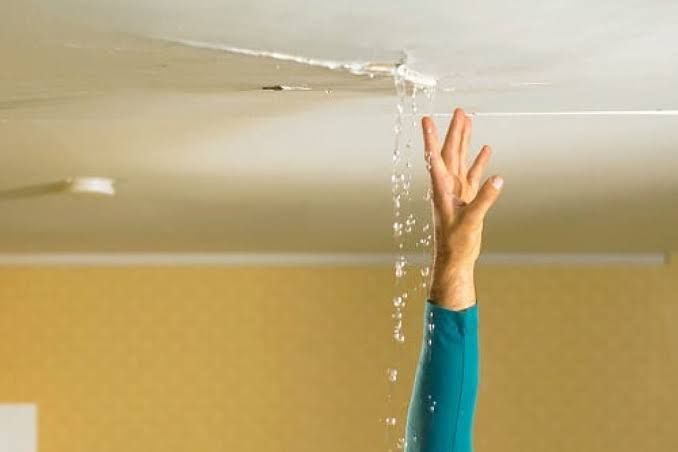
Another early warning sign is discoloration. Yellow, brown, gray, or dark rings on ceilings and walls usually mean water has already passed through a building material. Stains may grow slowly and may not feel wet to the touch, but they are evidence of a leak or past intrusion. In some cases, the stain appears around light fixtures, vents, window frames, or plumbing penetrations where water travels before becoming visible.
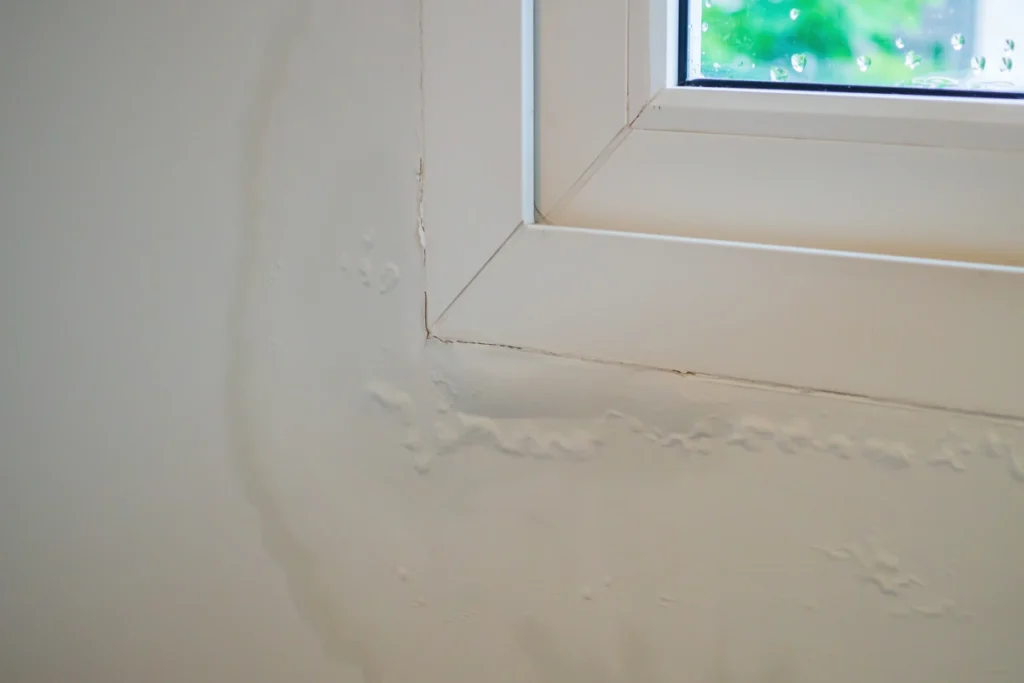
Peeling paint and bubbling wallpaper are also strong indicators. Moisture behind a painted surface creates pressure, and the finish layer begins to separate. In bathrooms, kitchens, basements, and laundry rooms, this often points to repeated exposure rather than a single incident. If paint is cracking or flaking near a baseboard or around a window, that area should be inspected quickly.
Warped, cupped, buckled, or soft flooring is another major signal. Hardwood can crown or cup when exposed to moisture. Laminate may swell at the seams. Vinyl may lift. Carpet padding can hold water below the surface even when the top feels dry. If a floor changes shape or feels spongy, water damage may already be affecting the subfloor.
Pay attention to changes in drywall. Soft spots, swelling, sagging, or a crunchy texture when touched can indicate water intrusion behind the wall. Drywall weakens quickly when wet and can fail without much warning. Ceiling drywall is especially concerning because it can become heavy and collapse if saturation continues.
Windows and doors can also reveal early damage. If frames begin sticking, swelling, or showing condensation between surfaces, moisture may be entering through a leak or around failed seals. Tacoma homes exposed to wind-driven rain can develop these problems around older openings, especially when caulking and flashing have deteriorated.
Finally, a sudden increase in humidity indoors can be a clue. If mirrors stay fogged longer than normal, air feels clammy, or you notice moisture on walls, windows, or pipes, hidden water may be affecting the indoor environment. A property should feel consistently dry and comfortable inside; when it does not, there may be a leak or infiltration issue that needs attention.
What these symptoms usually mean in Tacoma homes and businesses
In Tacoma, early water damage signs often come from a few common sources. Roof leaks are frequent after long rainy stretches, especially if shingles, flashing, gutters, or roof penetrations are aging. In older neighborhoods, plumbing lines may also be original or partially updated, creating opportunities for leaks behind walls or under floors. In commercial spaces, sprinkler issues, HVAC condensation, and restroom supply leaks can all create hidden moisture problems.
Homes near hilly or tree-filled areas may face drainage concerns that push water toward foundations. Properties with crawl spaces can be vulnerable if vapor barriers are damaged or if standing water is not noticed quickly. Basement seepage is another issue, particularly where exterior grading, downspouts, or foundation sealing are not performing well. Even a small amount of repeated seepage can produce the early warning signs described above.
Local geography matters too. Tacoma includes waterfront exposure, older residential districts, and mixed commercial corridors, all of which bring different moisture risks. A home near Ruston, a business close to major traffic routes, or a residence near areas like Point Defiance or the Old Town corridor may each face distinct patterns of water intrusion depending on building age, storm exposure, and maintenance history. Understanding the signs is the first step; understanding the likely source is what leads to effective repair.
How to tell the difference between condensation and real water damage
Not every damp patch means a major leak, but it should never be ignored. Condensation usually appears in predictable places such as around cold water pipes, on single-pane windows, or in poorly ventilated bathrooms. It tends to form when warm indoor air meets a cool surface and then disappears when conditions change. True water damage, by contrast, often leaves stains, soft materials, odors, or repeat symptoms that return after cleaning.
A useful test is observation over time. If moisture keeps reappearing in the same spot, or if the surrounding materials continue to change color, warp, or smell musty, the problem is likely more than condensation. Another clue is location. Water spots on ceilings, baseboards, lower walls, under sinks, or near appliances often suggest an active leak or past intrusion, not simple indoor humidity. If in doubt, treat the issue as a real water problem until a professional inspection proves otherwise.
Why quick action matters more than waiting for obvious flooding
The biggest mistake many property owners make is waiting for a larger sign before acting. Water damage becomes more expensive the longer it stays in place. Drywall can deteriorate, flooring can delaminate, wood framing can swell, and mold can start growing in damp materials. In some cases, water can weaken structural components while the visible damage remains small.
Quick action also helps preserve personal property. Furniture, electronics, documents, and stored belongings can often be saved if the response begins early. If you wait until the problem worsens, more items may need to be discarded. That is why water damage restoration is usually a race against time. The first signs are your best opportunity to reduce the total impact.
For Tacoma property owners, prompt help also supports safety. Wet materials can become slippery, ceilings may sag, electrical systems may be exposed to moisture, and mold can develop where water remains trapped. A careful assessment and immediate mitigation help reduce those hazards before they become emergencies.
What a professional water damage response typically includes
When a restoration team responds, the first step is usually inspection and moisture detection. The goal is to understand where the water came from, how far it spread, and which materials are affected. Technicians may use visual inspection, moisture meters, and thermal imaging or other detection methods to identify hidden dampness behind walls or under flooring.
After the source is controlled, water extraction begins if standing water is present. Then drying and dehumidification are used to remove moisture from the structure. Air movement is often set up to support evaporation, and materials may be removed if they cannot be dried safely in place. Throughout the process, the property should be monitored so the drying plan can be adjusted as needed.
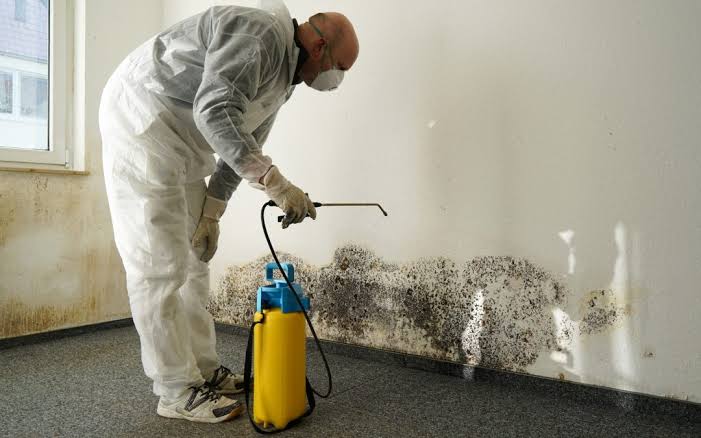
In cases involving contaminated water, damaged insulation, or mold growth, additional cleanup may be necessary. The point is not simply to dry what can be seen. It is to return the property to a condition that is dry, stable, and safe. That is the difference between temporary cleanup and true restoration. If you want to review a local service description before calling, the Tacoma water damage restoration service page from American Standard Restoration outlines the type of help homeowners and businesses can expect when water threatens the structure.
Signs you should call immediately instead of monitoring the problem
Certain warning signs should never be put on a watch list. If you see standing water, a ceiling that is bowing, a wall that feels soft, repeated electrical issues near wet areas, or visible mold growth, the situation needs immediate attention. These are signs that the moisture problem is active or that the materials are already failing.
You should also act quickly if the water source is unknown. Hidden leaks are often the most destructive because they continue without being noticed. If you cannot identify where the moisture is coming from, a professional inspection can prevent days or weeks of unnecessary damage. The same is true if the leak returned after a temporary fix. Repeated moisture means the underlying issue has not been resolved.
Another trigger is any water exposure affecting insulation, subfloors, or structural framing. Once moisture reaches those layers, drying becomes more complex and time-sensitive. It may still be possible to save the property, but the response needs to be immediate and thorough.
What Tacoma property owners can do before help arrives
If you suspect water damage, begin by stopping the source if it is safe to do so. Turn off the water supply for a plumbing leak, move belongings away from the affected area, and avoid walking through standing water if there may be electrical hazards. If the leak comes from a roof or exterior entry point, use buckets or containers only as a temporary measure and avoid risky access to unstable areas.
Take photos and videos of the damage before moving items, if possible. Documentation can help when discussing the issue with a restoration professional, insurer, or property manager. Then focus on ventilation where it is safe to do so. Open windows if weather conditions allow and if doing so will not worsen the problem. Do not use fans if there is a chance they will spread contaminated water or affect unstable materials in a harmful way.
Do not assume that drying visible surfaces is enough. A floor or wall may look dry while moisture remains trapped beneath or behind it. That is one reason professional equipment and moisture monitoring are so important. Early intervention is most effective when paired with accurate measurement.
How local knowledge improves water damage restoration in Tacoma
Water damage in Tacoma is shaped by local weather patterns, building styles, and neighborhood conditions. A restoration plan that works in one city may miss important details in another. In Tacoma, professionals must be prepared for frequent rain, older housing stock, mixed commercial buildings, crawl spaces, foundation moisture, and storm-related roof and window intrusion.
Local knowledge also helps with practical response. Understanding traffic patterns, neighborhood access, and the layout of areas near downtown, the Tacoma Dome, Pacific Avenue, and major routes like I-5 can make response more efficient. That matters when a property needs quick assessment and mitigation. It also matters when service providers need to move equipment in and out of tight residential streets or busy commercial zones.
From a property owner’s perspective, choosing a team with Tacoma experience can reduce delays and improve communication. You want someone who understands the local risks, can identify the likely moisture path, and knows how to restore the structure efficiently. That combination of speed and expertise is one of the strongest protections you can have when early warning signs appear.
Conclusion: the first signs are your best chance to stop bigger damage
The first signs you need water damage restoration in Tacoma are often small but meaningful: musty odors, stains, bubbling paint, warped flooring, soft drywall, swelling trim, or indoor humidity that does not feel normal. Each of these clues can point to a hidden problem that is already affecting the structure. In a city where rain and moisture are part of everyday life, overlooking those signals can lead to more extensive repairs, higher costs, and greater disruption.
The best approach is to treat early warning signs seriously and act before the damage spreads. Document the issue, stop the source if safe, and get a professional inspection as soon as possible. If you need help from a local company that understands Tacoma properties and the challenges of water intrusion, start with American Standard Restoration’s local property damage restoration team and use that expertise to protect your home or business before the problem grows.
Frequently Asked Questions
What is the very first sign of water damage in a Tacoma home?
The earliest sign is often a change that seems small at first, such as a musty smell, a slight discoloration on drywall, or paint that starts to bubble near a ceiling or baseboard. In Tacoma, where moisture is common, these early clues are easy to overlook. A lot of water damage begins behind surfaces, so the visible sign may be the first evidence of a problem that has already been active for days or longer. If you notice a smell that returns after cleaning or a stain that slowly expands, it is best to treat that as an active water issue rather than normal humidity.
How can I tell if a stain is old or if the leak is still active?
An old stain usually stays the same size and color after it dries, while an active leak often changes over time. If the spot gets darker, spreads, or feels damp when the weather changes, the source may still be present. You can also look for other signs around the stain, such as peeling paint, sagging drywall, or a persistent odor. In many Tacoma homes, roof or plumbing leaks can recur after heavy rain or after water is used in nearby fixtures. If you are uncertain, moisture testing is the safest way to know whether the area is still wet behind the surface.
Does a musty smell always mean I need water damage restoration?
A musty smell is not proof by itself, but it is one of the strongest early warning signs of hidden moisture. It often means water has been trapped in drywall, flooring, insulation, carpet padding, or a crawl space. In a damp climate like Tacoma, the smell can be especially noticeable in closets, basements, and rooms with low airflow. If the odor remains after cleaning or dehumidifying, that suggests the source has not been fixed. A professional inspection is a good idea because the smell may be the first symptom of a leak that has not yet become visible.
What water damage signs should I watch for after heavy Tacoma rain?
After heavy rain, check ceilings for stains, window frames for moisture, walls near exterior corners, and floors below rooflines or upper-story bathrooms. In Tacoma, wind-driven rain can enter through compromised flashing, gutters, skylights, or window seals. You should also look at crawl spaces, basements, and areas near exterior doors. If you notice drips, soft drywall, damp carpet edges, or a smell that appears after storms, those are strong clues that water is entering the property. Repeated symptoms after rain usually mean there is a structural entry point that needs repair and drying.
Can warped floors be repaired, or do they always need replacement?
It depends on how long the flooring was exposed to moisture and what type of flooring it is. Some floors can be dried and stabilized if the damage is caught early, while others may need partial or full replacement if swelling, buckling, or delamination has already begun. Hardwood, laminate, vinyl plank, and subfloor materials all react differently to moisture. The key is speed. If the floor is only slightly cupped or swollen and the water source is stopped quickly, there may be more options. If the floor remains wet for too long, replacement becomes more likely. An inspection is the best way to determine the level of damage.
Is water damage a mold problem right away?
Not immediately, but water damage can become a mold problem quickly if moisture remains in place. Mold often begins developing within a short period when damp materials are not dried properly, especially in hidden spaces like wall cavities, carpeting, or insulation. That is why early water damage restoration matters so much. The goal is not just to remove water, but to dry the structure before secondary damage begins. In Tacoma’s moist environment, any delay increases the chance that a water problem will turn into a mold problem, which can raise both the repair cost and the complexity of the project.
Should I open windows if I think I have water damage?
Sometimes, but only if it is safe and practical. Opening windows can improve airflow and help with drying in certain situations, especially when the weather is dry enough to support it. However, in Tacoma, opening windows during rain or high humidity may make the problem worse. If the source is contaminated water, if there is standing water near electrical components, or if the area is structurally unstable, ventilation alone is not enough. Air movement is helpful only when it supports a proper drying plan. If you are unsure, it is better to document the damage and get professional guidance than to rely on windows alone.
What should I do first if water is coming from under a sink or appliance?
Turn off the water supply if you can do so safely, unplug nearby appliances if there is no risk of electrical shock, and move items out of the affected area. Then check how far the water has spread and look for signs on the cabinet base, adjacent flooring, or nearby drywall. Under-sink and appliance leaks are common because they can run for a long time before being noticed. Even if the leak seems minor, water can soak the subfloor or travel into the wall cavity. Quick action helps limit the damage and makes restoration more effective.
Why does Tacoma weather make water damage more common?
Tacoma’s climate includes frequent rain, moisture, and damp conditions that can stress roofing, windows, siding, drainage systems, and crawl spaces. That means small maintenance issues can become bigger water intrusion problems over time. Properties with older construction, aging seals, or drainage concerns are especially vulnerable. Even when there is no dramatic storm, repeated wet weather can slowly expose weak points. That is why Tacoma property owners should pay close attention to the first signs of moisture indoors. A small stain or smell may be the first indication that the building envelope is failing somewhere.
How quickly should I contact a water damage restoration company?
As soon as you suspect a real leak or hidden moisture problem. The sooner a restoration team can inspect the property, the more likely it is that the damage will stay limited. Delays allow water to spread, materials to weaken, and mold to develop. If you see staining, smell mustiness, notice warping, or find a soft spot in a wall or floor, do not wait for the issue to get worse. Quick contact can help protect the structure, preserve belongings, and reduce the total repair scope. In water damage cases, early response is one of the most important factors in a successful outcome.
When you are ready to take the next step, begin with a local team that understands Tacoma conditions, the behavior of moisture in older and newer buildings, and the importance of fast mitigation. The right response at the first sign of trouble can save time, money, and stress while helping your property recover safely.