Homeowners weighing cash payment versus insurance claims for smoke odor removal after fire damage should consider policy coverage first. Insurers define smoke damage as the physical and chemical harm caused by soot particles, ash, and leftover toxic residues. American Standard Restoration, an IICRC-certified Tacoma, WA company, provides professional mitigation services that meet insurance documentation standards.
Key Takeaways
- Smoke damage includes soot particles, ash, and toxic residues that travel far beyond a fire’s origin point.
- Standard homeowner and renter policies typically cover sudden and accidental smoke damage from wildfires, kitchen fires, or neighbor fires.
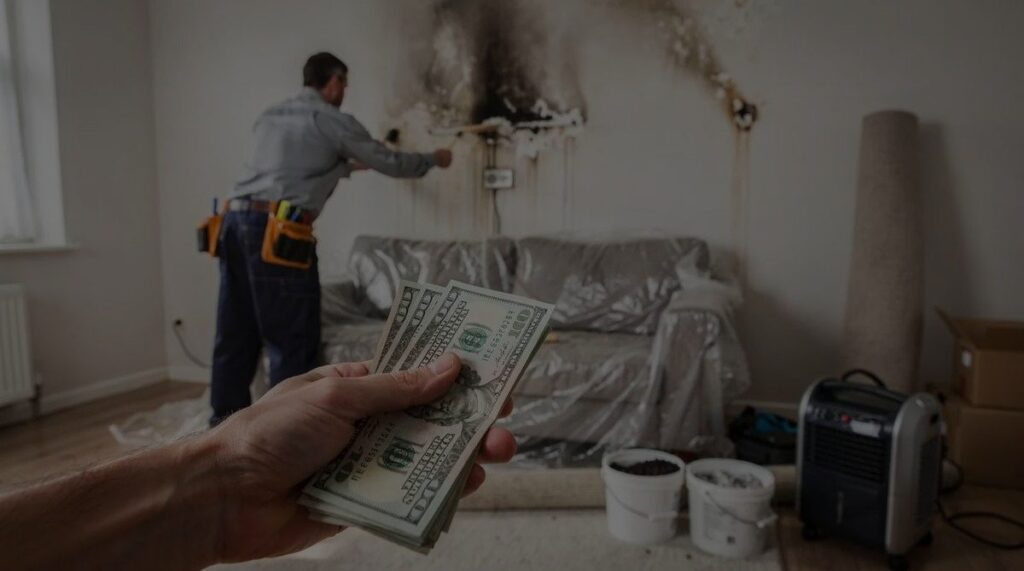
- Cash payment removes the adjuster from decisions, allowing property owners to control scope and speed of restoration.
- Thermal fogging neutralizes odor by dispersing heated deodorizing fog that mimics smoke’s original travel path through structures.
Should you pay cash or file a claim?
The decision between cash pay for smoke odor removal and filing an insurance claim hinges on policy deductibles, coverage limits, and the extent of hidden damage. Smoke damage includes soot particles, ash, and toxic residues that travel far beyond a fire’s origin point, often affecting areas flames never touched. A property owner who pays out of pocket retains full control over the timeline and contractor selection. Filing a claim shifts the financial burden to the insurer but introduces adjuster negotiations and potential delays.
What does smoke damage actually involve?
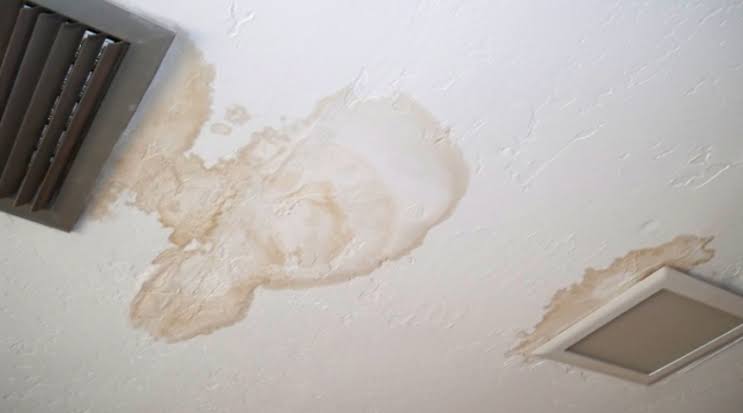
Smoke moves easily with air currents. It finds its way into tiny cracks, walls, and HVAC systems. Persistent odors settle deep into furniture and clothing. This contamination qualifies as damage when lingering odors, acidic residues, or discoloration affect a property’s structure, air quality, or personal belongings.
When does filing a claim make more sense?
Standard homeowner and renter policies typically cover sudden and accidental smoke damage from wildfires, kitchen fires, or a neighbor’s fire. The policy pays for cleaning, deodorization, and restoration. However, partial loss fires create special complications. Hidden damage from water, smoke, ash, and compromised air quality often surfaces weeks after the initial event. An out-of-pocket smoke damage restoration approach avoids claim-related delays but places the entire financial weight on the property owner.
| Factor | Cash Pay | Insurance Claim |
|---|---|---|
| Timeline control | Immediate scheduling | Adjuster-dependent |
| Out-of-pocket cost | Full restoration expense | Deductible only |
| Hidden damage discovery | Direct contractor communication | Requires adjuster approval |
| Premium impact | No rate increase | Possible future premium hike |
The smoke odor removal insurance claim vs self pay calculation ultimately depends on whether the restoration cost exceeds the deductible by enough to justify a claim on the property’s record. For minor smoke odor confined to a single room, paying cash often proves faster and simpler. For widespread contamination affecting HVAC systems and structural cavities, the claim process provides financial protection against costs that escalate as hidden damage emerges.
What does cash pay for smoke odor removal cost?
Cash pay for smoke odor removal varies by damage extent, square footage, and treatment method. No flat rate applies because smoke damage consists of residues, toxic compounds, and lingering odors left behind after a fire. Property owners face costs shaped by how far smoke traveled and which surfaces absorbed it.
Professional cleanup services are often needed to remove smells and discoloration from smoke. The cost of smoke odor removal cash pay typically includes labor, equipment, and disposal fees. A small contained kitchen fire costs less than whole-home smoke infiltration through HVAC ducts.
What factors drive the price of out-of-pocket smoke damage restoration?
Out-of-pocket smoke damage restoration pricing depends on several variables:
- Affected square footage and number of rooms
- Type of surfaces: porous drywall, carpet, and upholstery absorb more residue
- Treatment method: thermal fogging smoke odor versus hydroxyl ozone smoke odor removal
- Duration of exposure and how deeply particles penetrated
Thermal fogging neutralizes odor by dispersing a heated deodorizing fog that mimics smoke’s travel path. Hydroxyl and ozone generators break down odor molecules in the air and on surfaces. Both methods require professional equipment and trained technicians.
Does paying cash change the restoration approach?
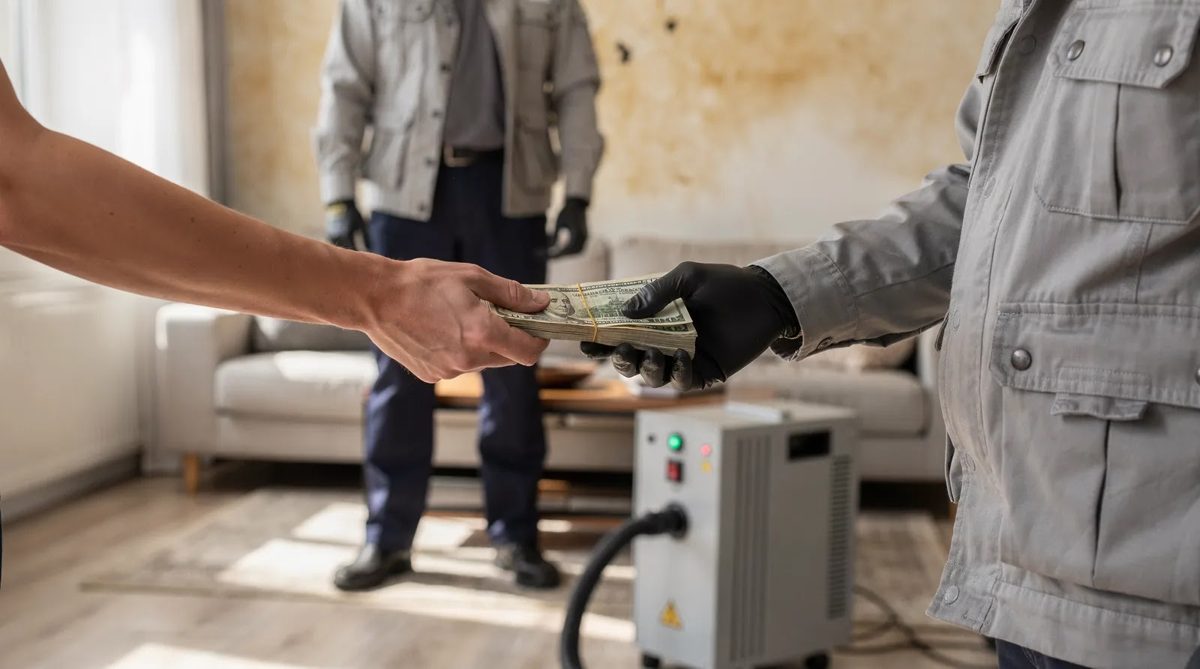
Paying cash removes the adjuster from the decision. The property owner controls scope and speed. Insurance payouts arrive as a lump-sum check made payable to the owner and any mortgage lender. If fire damage costs exceed the coverage limit, the payout is capped and remaining repair costs fall to the owner.
Smoke odor removal insurance claim vs self pay is a real tradeoff. Claims involve documentation, adjuster review, and potential delays. Cash pay starts mitigation immediately. American Standard Restoration provides clear estimates before work begins, so property owners know the full cash pay for smoke odor removal figure upfront.
How does thermal fogging smoke odor work?
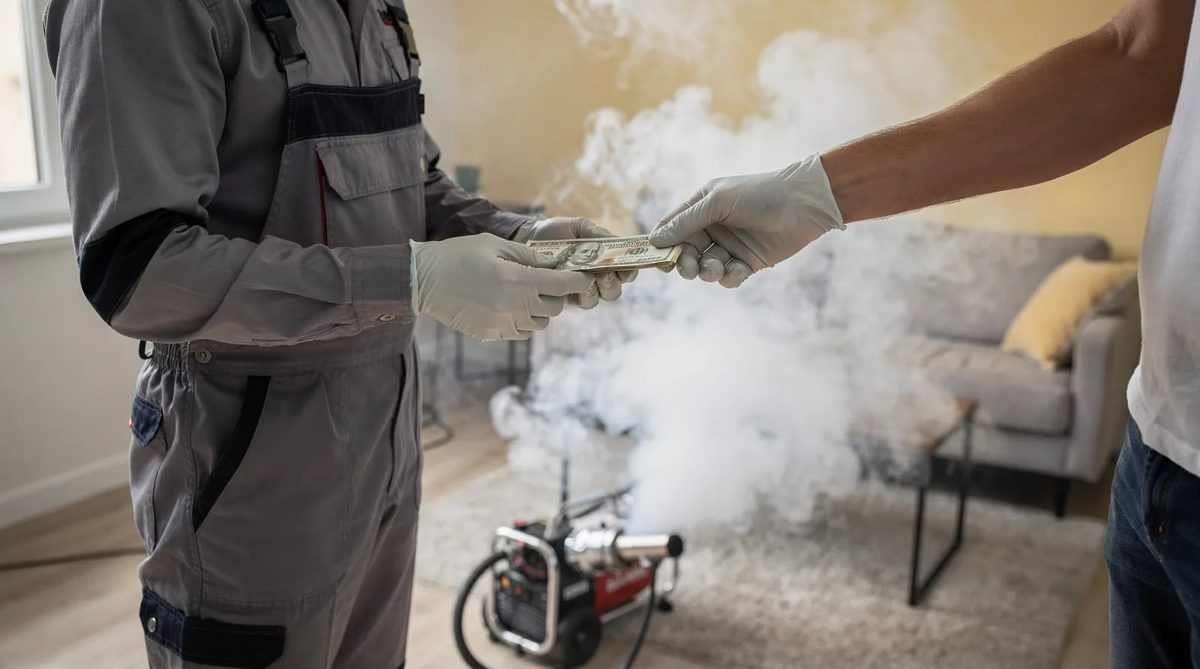
Thermal fogging smoke odor removal recreates the physics of the original fire. A specialized machine heats a deodorizing agent into a dry fog that matches the temperature and particle size of the smoke that caused the damage. This fog penetrates the same tiny cracks, wall cavities, and porous materials the smoke invaded. The agent neutralizes odor molecules on contact rather than masking them.
The process succeeds where surface cleaning fails. Smoke moves easily with air currents and finds its way into tiny cracks and HVAC systems, leaving persistent odors in structural materials. A thermal fog reaches those same hidden spaces. The heated particles follow the identical pathways the smoke took during the fire event, settling into drywall, insulation, and subflooring.
Why does thermal fogging reach areas other methods miss?
The heat is the key. Cold or room-temperature deodorizers sit on surfaces. Thermal fog behaves like smoke itself, floating into wall voids and ductwork. This matters because smoke damage includes acidic residues that cause long-term corrosion if not addressed. Neutralizing those residues inside building cavities prevents structural degradation that continues long after visible cleanup ends.
Does thermal fogging address hidden smoke damage that insurance assessments might overlook?
Yes, and this is a critical advantage for property owners managing out-of-pocket smoke damage restoration. Insurance companies evaluate visible and hidden damages like air quality and long-term corrosion, but may leave these out of standard assessments. A thermal fogging treatment reaches concealed contamination regardless of whether an adjuster documented it. The fog treats the entire affected space, not just the areas an inspection flagged.
American Standard Restoration uses thermal fogging as part of a complete smoke odor removal after fire damage protocol. The treatment pairs with surface cleaning and air scrubbing to address every layer of contamination. For property owners weighing the cost of smoke odor removal cash pay against claim settlements, thermal fogging delivers thorough deodorization that prevents recurring odor problems and future remediation expense.
Is hydroxyl ozone smoke odor removal effective?
Hydroxyl and ozone generators both neutralize smoke odors through oxidation. Hydroxyl generators offer a significant safety advantage because they operate continuously in occupied spaces. Ozone treatments require full property evacuation. For smoke odor removal after fire damage, the choice between these technologies depends on contamination severity and timeline constraints.
Smoke damage consists of residues, toxic compounds, and lingering odors left behind after a fire. These compounds penetrate porous materials and compromise indoor air quality long after visible soot is removed. Oxidation technologies break down odor-causing molecules at the chemical level, reaching areas that surface cleaning cannot address.
How does hydroxyl smoke odor removal work?
Hydroxyl radicals destroy odor molecules on contact through a chain reaction that continues throughout the affected space. The process produces no harmful byproducts and leaves no chemical residue behind. Treatment times run longer than ozone methods, typically requiring 24 to 72 hours of continuous operation. The tradeoff is uninterrupted building access during restoration.
Which method works faster for severe smoke damage?
Ozone generators deliver faster results for heavy contamination. The concentrated ozone penetrates deep into walls, insulation, and HVAC ductwork where smoke residues accumulate. However, the space must remain unoccupied during treatment and for several hours afterward while ozone dissipates. Thermal fogging smoke odor removal provides another accelerated option by dispersing a heated deodorizing compound that mimics smoke’s own travel path through the structure.
Documentation strengthens any smoke odor removal insurance claim vs self pay decision. Photos, inventories, and inspection details prove crucial during the insurance review process. Partial loss fires often become low priority for overworked insurance adjusters, causing delays that extend exposure to toxic residues. Property owners choosing out-of-pocket smoke damage restoration gain immediate scheduling control. The cost of smoke odor removal cash pay varies by square footage and method. Direct payment eliminates claim negotiation timelines. Cash pay for smoke odor removal puts restoration speed entirely in the property owner’s hands.
When does out-of-pocket smoke damage restoration make sense?
Paying cash for smoke odor removal after fire damage makes sense when the claim’s net payout shrinks below the deductible. That slim recovery comes at a steep price: a permanent claims record that follows the policy for three to five years.
Out-of-pocket smoke damage restoration also protects properties from partial-loss disputes. Insurers and policyholders frequently clash over matching requirements. Repairs should return property to a uniform and consistent appearance, even if that means replacing undamaged items such as roof tiles or carpeting. When an adjuster resists that standard, the homeowner who pays directly controls the scope and avoids months of negotiation.
Does renters insurance cover smoke odor removal?
Renters insurance considers smoke damage a covered peril in many cases, according to Policygenius. Personal property coverage pays to replace damaged belongings. Loss-of-use coverage funds temporary housing while restoration proceeds. However, the same deductible math applies.
What proof do insurers require for smoke damage claims?
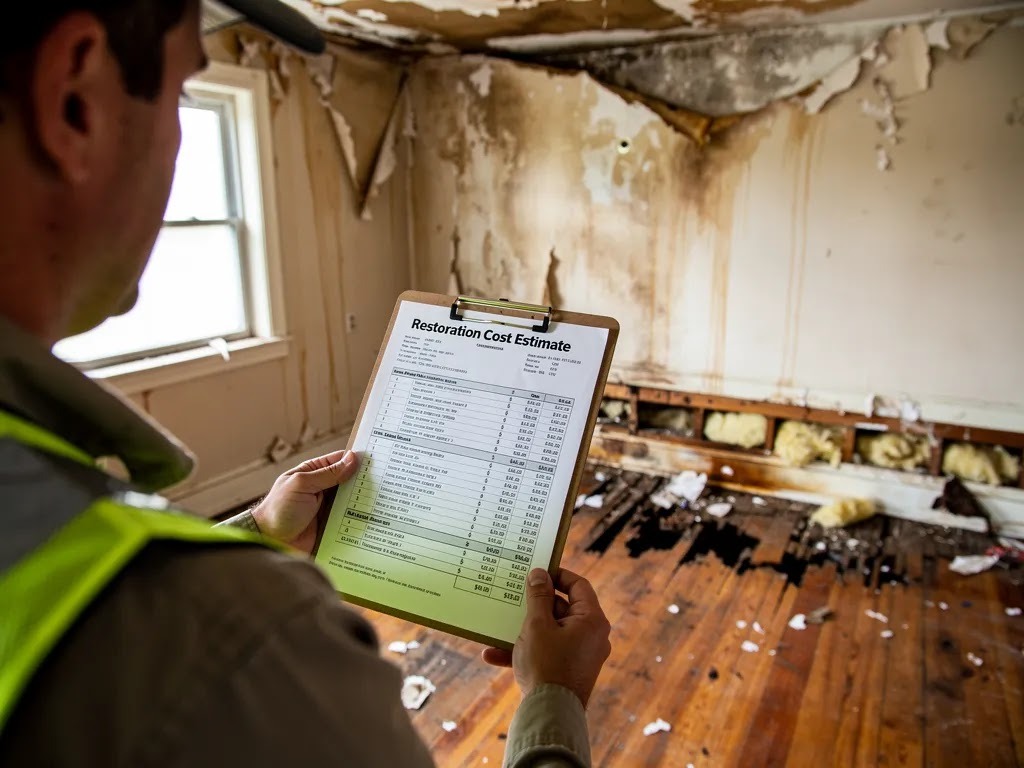
Filing a smoke damage insurance claim means proving that physical damage occurred. Insurers demand documentation of soot residues, acidic etching on surfaces, and persistent odors that cleaning cannot resolve. Gathering this evidence takes time and professional assessment. A homeowner choosing cash pay for smoke odor removal skips the adjuster’s inspection entirely and starts restoration immediately.
The smoke odor removal insurance claim vs self pay decision ultimately hinges on claim value minus deductible versus long-term premium risk. American Standard Restoration provides detailed damage assessments that help property owners calculate that threshold with precision.
FAQ
What does smoke damage actually involve?
Smoke damage includes soot particles, ash, and toxic residues that travel far beyond a fire’s origin point. It settles into tiny cracks, walls, HVAC systems, furniture, and clothing, causing lingering odors, acidic residues, or discoloration.
When does filing an insurance claim make more sense?
Filing a claim makes more sense for widespread contamination affecting HVAC systems and structural cavities. The claim process provides financial protection against costs that escalate as hidden damage emerges, with the policy paying for cleaning, deodorization, and restoration.
How much does cash pay for smoke odor removal cost?
Cash pay for smoke odor removal varies by damage extent, square footage, and treatment method. The full restoration expense is paid out of pocket, with no adjuster involvement and no premium impact.
Conclusion
Choosing between insurance claims and cash payment for smoke odor removal ultimately depends on your claim’s net recovery against your deductible and your tolerance for timeline delays. If the payout falls short or negotiation timelines threaten your property’s air quality, out-of-pocket restoration delivers immediate action and complete control over scope and methods. Either path requires professional assessment to document contamination accurately, the foundation for both claim success and informed cash-pay decisions. Contact American Standard Restoration for a detailed damage evaluation that clarifies your financial threshold and restoration timeline.