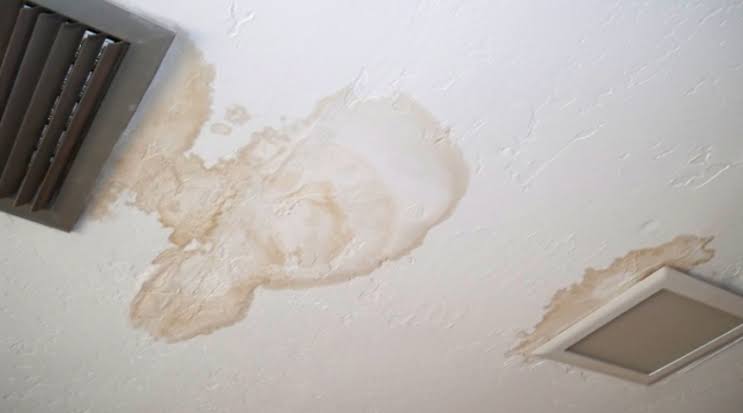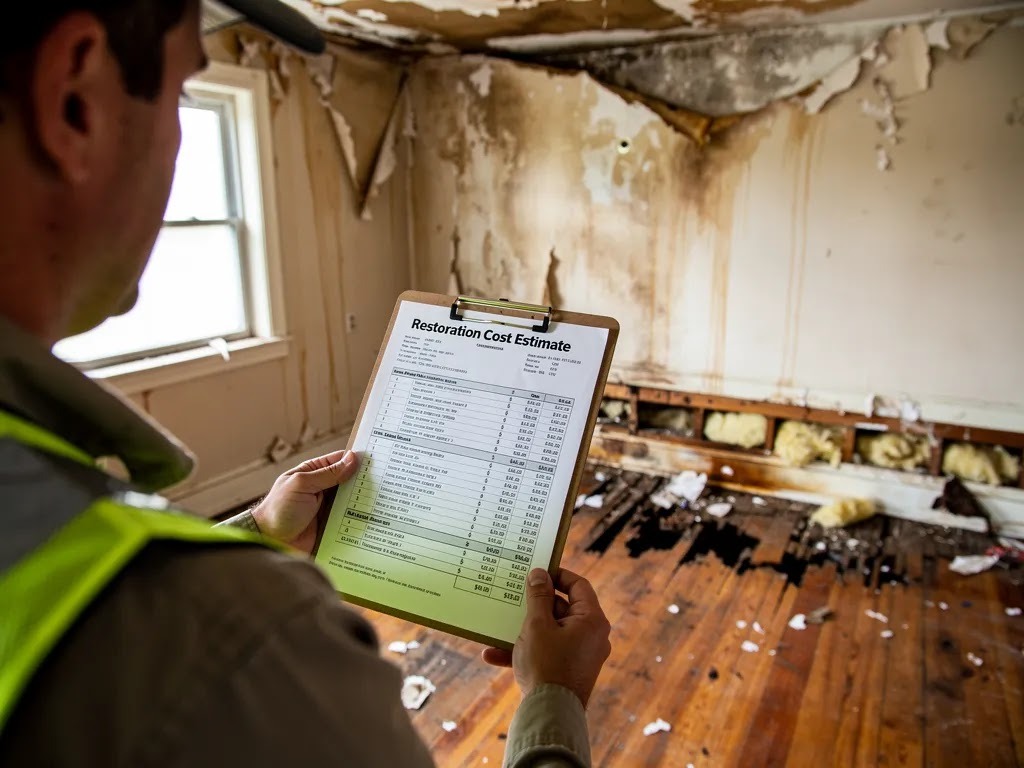
Choosing between cash pay and insurance for flood damage restoration depends on the damage source. Insurance covers sudden events like burst pipes but excludes flooding and gradual leaks. Out-of-pocket payment avoids premium hikes and claim denials, offering immediate mitigation without policy restrictions.
Key Takeaways
- Standard homeowner’s policies cover sudden water damage like burst pipes but exclude flooding and gradual leaks entirely.
- Mold colonies establish themselves within 24 to 48 hours of water exposure, making speed critical for mitigation.
- Cash payment eliminates adjuster inspection, estimate review, and approval cycles, allowing restoration work to begin immediately.
- NFIP policies pay actual cash value based on depreciated worth, leaving significant out-of-pocket gaps for property owners.
Should you pay cash or file an insurance claim?
The decision hinges on whether a standard homeowner’s policy actually covers the damage. Many policies exclude the very scenario homeowners fear most. Home insurance typically covers sudden water damage like burst pipes but excludes flooding and gradual leaks. Burst pipes or leaking roofs typically qualify. Gradual leaks, sewage backups, and flooding are excluded and need separate coverage. Flood insurance limitations often surprise property owners who assume they are protected by standard policies.
What does a typical homeowner policy actually pay for?
Standard coverage is shaped by three hard rules. First, the cause must be sudden and internal. Second, floodwater rising from outside requires a separate NFIP policy. Third, even approved claims often pay actual cash value rather than full replacement cost. C&S Insurance notes that settlements frequently reflect a property’s depreciated worth. Policyholders expecting new-for-old reimbursement face significant out-of-pocket gaps.
| Claim Scenario | Typical Coverage |
|---|---|
| Burst pipe (sudden) | Covered by standard policy |
| Roof leak from storm | Covered by standard policy |
| Gradual pipe leak | Excluded, maintenance issue |
| Sewage backup | Excluded without rider |
| Rising floodwater | Excluded without NFIP policy |
Is paying cash faster than waiting on an adjuster?
Paying out-of-pocket flood damage costs accelerates the emergency flood water extraction timeline dramatically. Insurance policies provide a safety net, covering emergency restorations to return property to pre-loss condition, as Paul Davis Restoration explains. But the claims process introduces delays. Adjuster inspections, approvals, and multiple payment stages stretch a timeline. A homeowner choosing cash pay for flood damage restoration bypasses these bottlenecks entirely. Mitigation starts within hours. Drying equipment runs before mold colonizes porous materials.
Why does self-pay sometimes make financial sense?
Flood damage restoration self pay eliminates premium increase risk and policy non-renewal. Filing a claim for damage near or below a deductible makes no financial sense. The claim stays on record without producing meaningful reimbursement. For moderate basement flooding or a contained appliance leak, the cost of flood restoration cash pay often runs lower than three years of surcharged premiums. Homeowners who plan to sell within a few years especially benefit from a claims-free CLUE report. American Standard Restoration provides clear documentation for cash-pay projects, preserving the option to seek reimbursement if a previously unknown coverage pathway emerges later.
What does flood insurance actually cover?
Standard homeowners insurance excludes flood damage from rising water. A separate policy through the National Flood Insurance Program (NFIP) is required for that protection. Many homeowners discover this gap only after water has already entered the property.
The coverage structure is straightforward but often misunderstood. An adjuster inspects the damage and offers a sum based on the policy’s terms and limits, according to the South Carolina Department of Insurance. That initial payment is rarely the final settlement. The first check functions as an advance against the total amount, not a complete payout. Homeowners who accept an on-the-spot settlement may close their claim prematurely.
What types of water damage does flood insurance exclude?
NFIP policies cover rising water from storms, overflowing rivers, and similar events. Gradual leaks, sewage backups, and maintenance-related issues fall outside that scope. The C&S Insurance guide confirms that flooding, gradual leaks, and sewage backup are excluded from standard coverage and need separate policies.
Can a flood claim affect future coverage?
Yes. Carriers may non-renew a policy after a major claim. An independent agent can help locate new options if that occurs. This risk makes the decision to file a claim consequential, especially for homeowners weighing out-of-pocket flood damage costs against long-term insurability.
American Standard Restoration handles emergency flood water extraction regardless of how the project is funded. The company’s technicians begin mitigation immediately while property owners navigate the claims process or arrange cash pay for flood damage restoration. Understanding policy limits before water rises prevents costly surprises.
How does cash pay speed up flood restoration?
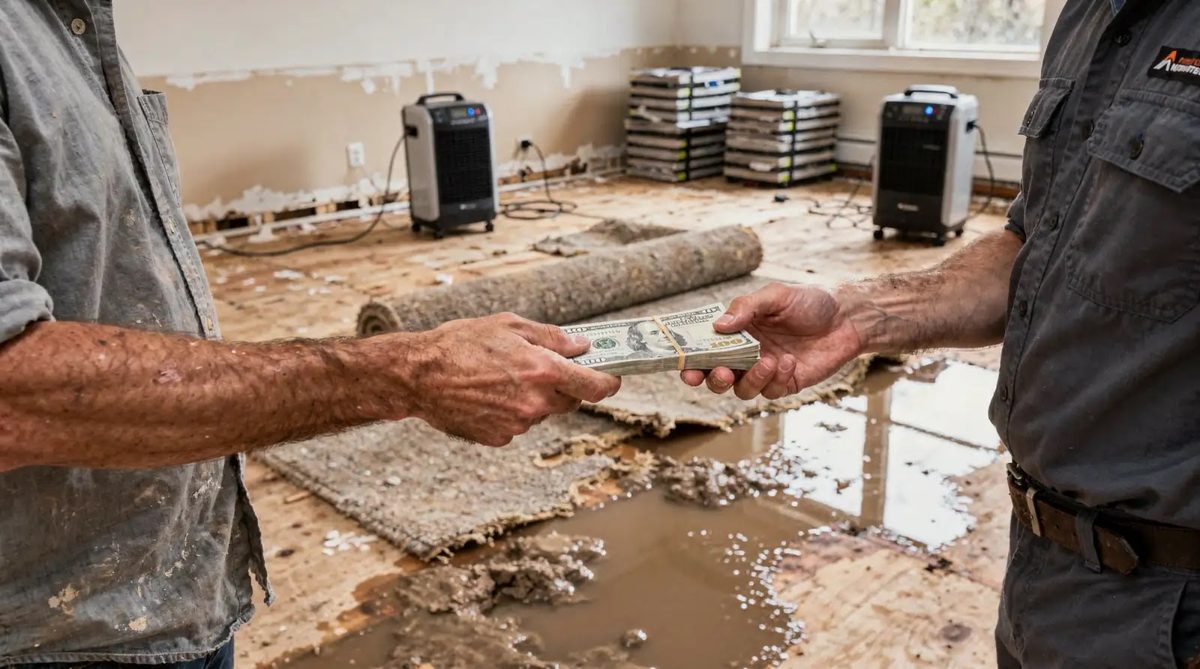
Cash payment eliminates the insurance approval bottleneck entirely. Restoration work begins the moment a homeowner authorizes the project, not when an adjuster signs off.
Speed matters because mold colonies establish themselves within 24 to 48 hours of water exposure, according to C&S Insurance. Every hour spent waiting for claim approval allows moisture to penetrate deeper into structural materials. Cash pay for flood damage restoration removes the adjuster inspection, estimate review, and approval cycle from the timeline. A restoration crew arrives, assesses the damage, and starts extraction immediately.
What happens during the first hours of a cash-pay restoration?
The process follows a clear sequence. Emergency flood water extraction starts first, removing standing water with commercial-grade pumps. Structural drying follows, using high-velocity air movers and dehumidifiers. Moisture detection equipment maps hidden water pockets inside walls and under flooring. American Standard Restoration deploys IICRC-certified experts who execute these steps without waiting for third-party authorization.
Why does bypassing insurance accelerate structural drying?
Insurance-funded projects require documentation at every stage. An adjuster must verify damage before mitigation begins, then approve each phase of work. Cash payment collapses that sequence. The restoration team moves from extraction to drying in a single continuous operation. This uninterrupted workflow prevents the secondary damage that occurs when wet materials sit untreated. Emergency restorations include repairs necessary to continue living or working on the property, returning it to pre-loss condition after an unavoidable disaster.
Out-of-pocket flood damage projects also give homeowners direct control over scope. The restoration company answers to the property owner alone. No compromise on drying targets. No delay while paperwork circulates. American Standard Restoration provides rapid 24/7 response, dispatching crews who begin water extraction, structural drying, and moisture detection immediately. The timeline compresses from days to hours.

What are the real costs of paying out-of-pocket?
Paying out-of-pocket for flood damage restoration means absorbing every expense directly. The final cost hinges on water volume, contamination level, and how quickly extraction begins. Insurance coverage for restoration is limited and often dependent on the cause of damage, according to Paul Davis Restoration of North Dallas. Homeowners without flood policies face the full financial weight of emergency flood water extraction, structural drying, and repairs.
What drives the cost of flood restoration cash pay?
Three factors dominate the bill. First, standing water saturates porous materials within hours. Second, Category 3 water (sewage or storm runoff) requires sanitization that doubles labor. Third, hidden moisture behind walls demands specialized detection equipment. A flood damage restoration self pay scenario also eliminates the adjuster’s depreciation calculations. The homeowner pays the contractor’s invoice, not a settlement tied to actual cash value.
How do insurance settlements compare to cash payments?
Insurance payouts often arrive in stages. An initial check covers visible damage, but later discoveries can reopen the claim for additional amounts, as detailed by the South Carolina Department of Insurance. Cash payments skip that uncertainty. The trade-off is immediate financial exposure. Out-of-pocket flood damage costs land entirely on the property owner, with no reimbursement pathway unless a separate claim is filed retroactively.
Cash pay bypasses claim delays but requires liquid funds. American Standard Restoration offers fast quotes and easy scheduling by phone or online request. The company serves residential and commercial clients across Tacoma and surrounding communities within a 45-mile radius. For properties facing rising water, water damage restoration begins with immediate extraction to contain the cost of flood restoration cash pay before secondary damage multiplies the expense.
FAQ
Does standard homeowner insurance cover flood damage from rising water?
No. Rising floodwater requires a separate NFIP policy. Standard homeowner policies only cover sudden, internal water damage like burst pipes.
Is paying cash faster than filing an insurance claim?
Yes. Cash payment eliminates adjuster inspections, estimate reviews, and approval cycles, allowing restoration work to begin immediately.
Why does self-pay sometimes make financial sense?
Self-pay eliminates premium increase risk and policy non-renewal. Filing a claim for damage near or below a deductible produces no meaningful reimbursement.
Conclusion
Choosing between cash pay and insurance for flood damage restoration hinges on your financial capacity, timeline urgency, and long-term coverage goals. Cash payment accelerates mitigation and eliminates claim delays, but demands immediate liquidity. Insurance spreads costs over time but introduces approval bottlenecks that allow mold and structural damage to advance. The decision ultimately rests on whether speed or financial distribution better protects your property and peace of mind when water damage strikes.