It starts with a drip.
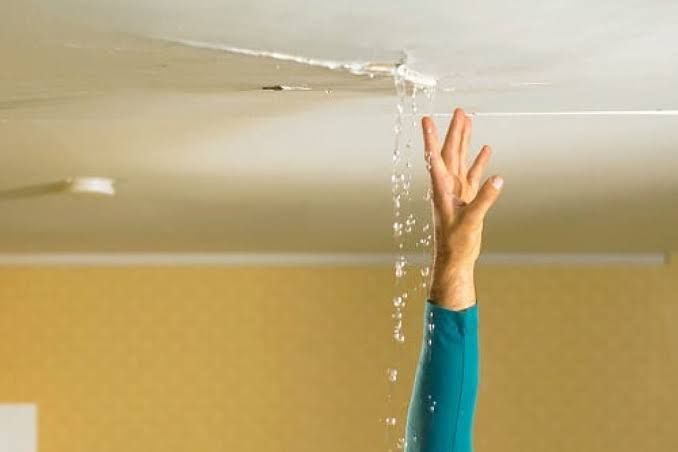
Not the kind that soaks your floor overnight or sends you scrambling for towels. It’s the slow, almost unnoticeable drip under a bathroom sink, a tiny leak behind the refrigerator, or a faint water stain on the ceiling that doesn’t seem to change for weeks.
Most homeowners see these problems and assume they can wait until the weekend or the next home improvement project. After all, if the floor isn’t flooded and everything still works, how bad could it really be?
Unfortunately, this is exactly how some of the most expensive water damage repairs begin.
Water doesn’t have to pour into your home to create serious problems. Given enough time, even a small leak can quietly work its way into drywall, insulation, wooden framing, and flooring without attracting much attention. By the time visible damage appears, the repair often extends far beyond fixing the original leak.
Small Leaks Rarely Stay Small
One reason slow leaks become so costly is because they don’t create a sense of urgency.
When a pipe bursts, everyone reacts immediately. The water is obvious, and the goal becomes stopping it as quickly as possible. A slow leak behaves differently. It hides behind walls, under cabinets, or beneath flooring where it continues releasing moisture day after day.
Each drop may seem insignificant on its own, but building materials absorb water gradually. Drywall begins holding moisture, wood fibers slowly expand, and insulation traps water where it can’t easily evaporate. Weeks later, the damage has spread well beyond the original leak, even though very little water was visible during that time.
By the time homeowners notice a musty smell or a soft spot in the floor, the moisture has often been present much longer than expected.
Water Has a Way of Traveling
Many people assume water stays close to where the leak started. In reality, it rarely does.
Water follows gravity, but it also moves through the path of least resistance. It can travel along floor joists, soak into subfloors, run down wall cavities, and collect in areas several feet away from the original source.
That’s why a stain on your ceiling isn’t always directly below the roof leak, and why damaged flooring sometimes leads to a plumbing leak hidden inside a nearby wall.
Without proper moisture detection equipment, the full extent of the damage isn’t always easy to see.
Time Is What Makes Repairs Expensive
The size of a leak doesn’t usually determine the cost of repairs. Time does.
A leaking pipe that’s repaired within a day may only require a simple plumbing fix and some minor drying. Leave that same leak unnoticed for several weeks, and the situation changes completely.
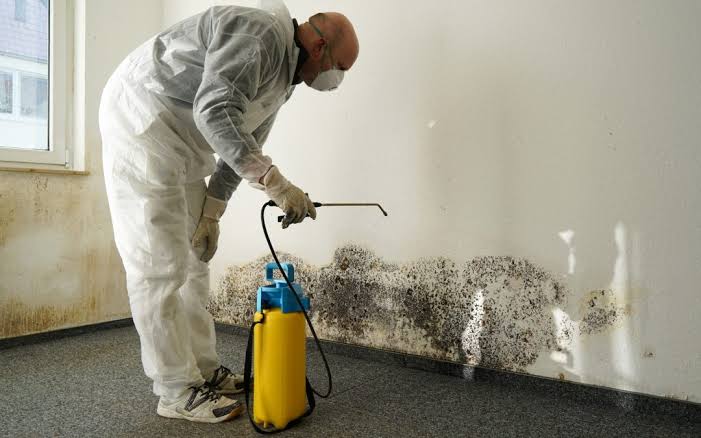
Materials that stayed wet for too long may need to be removed and replaced. Flooring can begin separating. Cabinets may swell. Mold may develop inside enclosed spaces where moisture has remained trapped.
Suddenly, what started as a small plumbing issue becomes a much larger restoration project.
The Signs Are Often Easy to Miss
Most slow leaks don’t announce themselves with standing water.
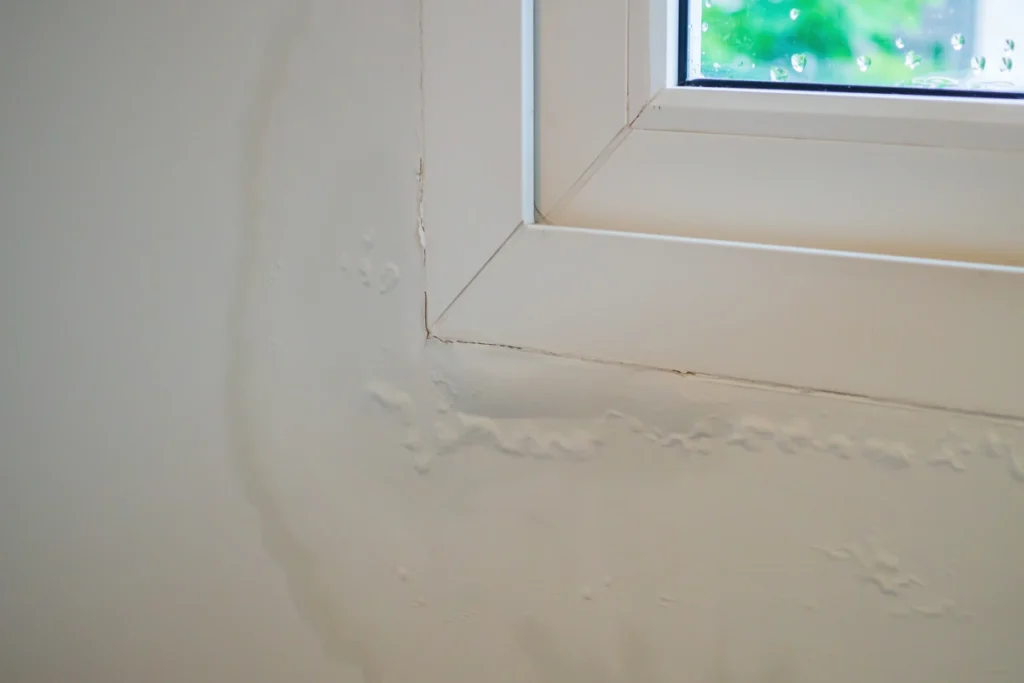
Instead, they leave subtle clues that are easy to overlook. A faint musty smell that seems to come and go. Paint beginning to bubble near a window. Hardwood flooring that no longer feels perfectly level. A water bill that’s slightly higher than usual without any obvious explanation.
None of these signs automatically mean your home has significant water damage, but they do suggest that moisture may be hiding somewhere it shouldn’t.
Paying attention to those early changes can prevent much larger repairs later.
Waiting Is Usually the Most Expensive Decision
It’s understandable why homeowners postpone dealing with what appears to be a small leak. Life gets busy, and the problem doesn’t seem urgent.
The trouble is that water doesn’t stop causing damage simply because it’s hidden.
Every extra day allows moisture to spread deeper into surrounding materials. Repairs that could have been relatively simple become more complicated, more time consuming, and more expensive.
In many cases, fixing the leak itself is only a small part of the final repair.
Final Thoughts
Not every leak becomes a disaster, but every disaster usually starts somewhere.
Taking a slow leak seriously doesn’t mean expecting the worst. It means recognizing that water has the ability to damage parts of your home long before you can actually see it.
If something doesn’t look, smell, or feel quite right, it’s worth investigating sooner rather than later. Acting early often means the difference between a quick repair and a restoration project that affects multiple rooms of your home.