When water shows up where it should not, every minute matters. A small leak under a sink, a flooded basement, a failed supply line, or stormwater intrusion can turn into a much larger repair problem if the moisture is not removed correctly. Many Tacoma homeowners ask the same question right away: do I need professional water damage restoration, or can I dry it myself?
The honest answer depends on how much water entered the property, what type of water it is, how long it has been there, and what materials were affected. Some very minor spills can be handled with towels, fans, and careful monitoring. But once water reaches drywall, insulation, subfloors, framing, cabinets, or hidden cavities, the risk profile changes quickly. Drying is no longer just about getting a surface to feel dry. It is about removing moisture from building materials, preventing microbial growth, protecting structural components, and confirming that the property is safe to occupy.
In Tacoma, that issue is even more important because homes and businesses deal with a damp Pacific Northwest climate, seasonal heavy rain, and older building stock in many neighborhoods. Moisture can linger longer than people expect, especially in crawl spaces, basements, wall cavities, and around windows or rooflines. That is why professional help is often the safer, faster, and more cost-effective path when the water event is more than a minor surface incident.
For property owners looking for a local resource, American Standard Restoration in Tacoma WA for water damage help is positioned as a dedicated local provider focused on restoration response. Their website presents water damage restoration as a core service for homes and businesses in Tacoma and emphasizes prompt assistance for property damage situations. If you are comparing do-it-yourself drying versus professional restoration, the key is not only whether visible water can be removed, but whether the hidden moisture has been fully addressed.
What professional water damage restoration actually does
Professional restoration is much more than placing fans in a room and waiting. A trained team typically starts by assessing the affected area, identifying the source of water, and determining the category of water damage. They then perform extraction, structural drying, moisture detection, and cleanup. The value is in the process: water is removed, materials are evaluated, drying equipment is placed strategically, and progress is monitored until the structure reaches acceptable moisture levels.
On the Tacoma water damage restoration service page from American Standard Restoration, the company describes complete water damage restoration services that include water extraction, structural drying, moisture detection, and full flood cleanup for residential properties. The same page also makes clear that the company serves homes and businesses in Tacoma and encourages people to call for prompt assistance. Those details matter because they reflect the practical reality of restoration work: success comes from a coordinated response, not just surface drying.
One of the most important things professionals do is identify moisture that cannot be seen. Water can travel behind baseboards, into wall cavities, beneath flooring, and into insulation. Even when a room appears dry, the structure may still contain enough moisture to support damage or microbial growth. Professional-grade meters and drying equipment help resolve that hidden moisture before it becomes a larger issue.
Another major difference is documentation. Restoration teams often measure conditions, track progress, and determine when materials are dry enough to remain in place or must be removed. That level of verification is hard to replicate with household tools. If the goal is not only to dry the surface but also to preserve as much of the structure as possible, professional restoration can be the difference between a manageable repair and a costly reconstruction.
When you can probably dry it yourself
There are limited situations where a homeowner may be able to dry water damage without calling a restoration company immediately. The key word is limited. DIY drying may be reasonable if the water is clean, the amount is very small, the affected area is non-porous, and the water is discovered right away. For example, a spilled bucket of clean water on tile, a minor appliance drip caught quickly, or a brief overflow that never reached drywall may be manageable with towels, mops, and household fans.
Even then, the goal should be careful monitoring. Remove standing water as quickly as possible, dry the area thoroughly, and watch for any sign that water traveled under flooring, into cabinets, or into adjacent rooms. If the space has any soft materials, such as carpet pad, insulation, particleboard, drywall, or upholstered items, the risk of lingering moisture rises. Once porous building materials are involved, the line between a simple cleanup and a true restoration job becomes much thinner.
DIY drying is also more plausible when the water event is isolated and the materials are easy to inspect. A garage spill on sealed concrete is very different from a leak behind a bathroom wall. In the garage case, moisture is visible and easy to eliminate. In the bathroom wall case, moisture may travel behind tile, into framing, or into the subfloor where it can remain concealed. A surface that looks dry does not necessarily mean the structure underneath is dry.
In other words, DIY can work for very small, very fresh, very clean incidents. But as soon as the source is uncertain, the amount is larger, or the water has touched structural materials, professional evaluation becomes much more important.
Signs you should call a restoration professional right away
Some water damage situations should not be treated as DIY projects at all. If any of the following are present, professional restoration is usually the best choice. First, call for help if the water came from a contaminated source, such as sewage backup, overflow from a toilet with waste, or floodwater from outside. Second, call immediately if the water has soaked carpet, padding, drywall, insulation, or wood framing. Third, call if the water has been present for more than a short time, especially if it sat overnight or longer.
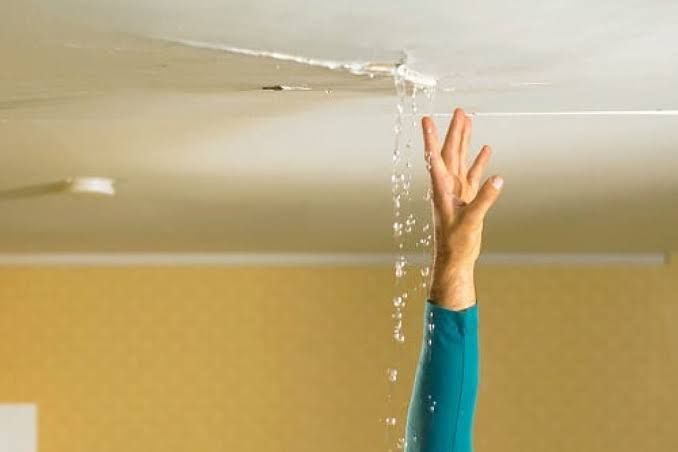
Visible buckling, staining, swelling, sagging ceilings, or warped flooring are also red flags. These signs mean moisture has already affected the materials in a significant way. If you notice a musty odor, that can indicate concealed dampness or early microbial growth. Electrical hazards are another reason to avoid DIY work. If water reached outlets, wiring, light fixtures, appliances, or breaker-related areas, the situation may require immediate professional and electrical evaluation.
Another important warning sign is uncertainty. If you do not know how far the water spread, whether it reached a crawl space, or whether it entered behind walls, do not assume the visible area tells the whole story. In Tacoma homes, especially in older neighborhoods where construction methods vary, water can migrate in unexpected paths. A quick visual inspection often misses the real extent of the problem.
Professional response is also important if the incident is affecting a business operation. Commercial properties may need documentation, moisture control, and fast turnaround to minimize downtime and limit disruption. In those cases, the cost of delay can be much higher than the cost of assessment.
Why Tacoma homes face unique drying challenges
Tacoma’s climate creates conditions where moisture can linger. The city’s marine influence, frequent rain, and cool seasons can make it harder for damp materials to dry naturally. Even when a water event seems minor, the environment can slow evaporation and allow moisture to remain trapped in building materials longer than expected. That becomes especially relevant in homes with basements, crawl spaces, or limited ventilation.
Local geography also matters. Areas near the waterfront, slopes, and low-lying sections may face humidity and drainage challenges that make water intrusion more likely or drying less effective. Homes near places such as downtown Tacoma, Hilltop, the Stadium District, North End, Ruston, or the areas around Point Defiance often vary in age and construction style. Some properties have older framing, original finishes, or additions that create hidden voids where water can settle.
Tacoma landmarks and corridors also remind us how varied the city is. A home near Point Defiance Park, the Museum District, Wright Park, the University of Washington Tacoma area, or major travel routes like Interstate 5 may have very different exposure and building characteristics than a newer property farther out. This matters because the drying strategy should match the structure, the materials, and the environment.
In wet climates, speed is not the only issue. Thoroughness matters just as much. A room may feel dry on the surface within hours, but that does not mean the framing behind it is safe. Tacoma property owners benefit from recognizing that regional weather is not a minor detail; it is one of the reasons professional moisture detection and structural drying are so valuable.
How professionals determine whether materials can be saved
One of the biggest advantages of calling a restoration company is the ability to make informed decisions about what can remain and what must be removed. Not every wet material has to be torn out. Sometimes cabinets, trim, hardwood, or drywall can be preserved if drying begins quickly enough. But that decision should be made using measurements and experience, not guesswork.
Professionals typically compare wet areas to unaffected areas, evaluate the type of water involved, and look at how long the materials were exposed. They may inspect baseboards, flooring edges, wall cavities, and adjacent rooms to see whether the water spread farther than expected. This helps determine whether partial removal, complete demolition of certain sections, or targeted drying is the right approach.
That judgment is critical because homeowners often either remove too much or too little. Removing too much can increase repair costs unnecessarily. Removing too little can leave hidden moisture behind and create a bigger problem later. Skilled restoration work aims to strike the right balance by preserving salvageable materials while eliminating the moisture that threatens the structure.
Documentation is also valuable for insurance claims and repair planning. A clear understanding of what was affected, what was saved, and what was removed helps streamline the next steps. It is much easier to move into reconstruction when the drying and mitigation stages were completed correctly.
What happens during a proper restoration response
A strong restoration response follows a logical sequence. First comes emergency contact and assessment. The source of water is identified if possible, and steps are taken to stop additional intrusion. Next comes water extraction, which removes standing water and reduces the amount of moisture that must be evaporated. After that, structural drying equipment is placed in a controlled pattern to target the affected building materials.
Moisture detection is then used to find hidden dampness. This step is especially important around walls, floors, and cavities where water may have migrated without leaving a large visible footprint. As the drying process continues, the affected areas are monitored and adjusted until the materials are dry enough to move forward. Finally, cleanup and any necessary demolition or preparation for repairs are completed.
The company website for American Standard Restoration highlights this full-service approach, describing water extraction, structural drying, moisture detection, and flood cleanup as part of its Tacoma water damage restoration services. That combination reflects what property owners should look for in a restoration provider: speed, process, equipment, and verification.
When this process is handled well, the outcome is often less disruption, less hidden damage, and a better chance of preserving the original structure. When it is skipped or rushed, the risk of recurring moisture problems rises sharply.
Why DIY drying often fails
DIY drying usually fails for a few predictable reasons. The first is incomplete moisture removal. Homeowners may dry the surface but not the interior of walls, under flooring, or inside cabinets. The second is insufficient airflow or dehumidification. A few household fans can help, but they often cannot create the controlled environment needed to dry building materials thoroughly.
The third issue is lack of measurement. Without moisture readings, it is difficult to know whether the space is actually dry or merely feels dry. That is especially dangerous because trapped moisture can lead to delayed problems that appear days or weeks later. The fourth issue is hidden contamination. If water was dirty or came from a questionable source, simply drying the room does not necessarily make it safe.
Another common mistake is leaving wet items in place too long. Carpet padding, insulation, and porous furniture can retain moisture and become sources of odor and microbial growth. Some homeowners attempt to save everything, but that can sometimes prolong the problem. A professional can help determine which items can be dried and which should be removed promptly to protect the rest of the property.
Finally, DIY work often lacks a restoration timeline. Water damage is time sensitive. The longer the materials stay wet, the harder it becomes to limit damage. If you cannot dry the area quickly and completely, professional support becomes the practical choice.
How to decide between DIY and professional help
A simple decision framework can help. If the water is clean, the amount is tiny, the area is hard-surfaced and easy to inspect, and there is no sign of spread into porous materials, DIY may be enough. If the water is dirty, the area is larger than a small spill, the materials are absorbent, or the source is hidden, call a professional. If you smell a musty odor, see swelling or staining, or suspect moisture beneath floors or behind walls, do not rely on guesswork.
It also helps to ask whether you can truly verify dryness. If the answer is no, that is a sign the job is beyond a basic cleanup. The main purpose of restoration is not simply to remove visible water. It is to return the property to a stable condition and reduce the chance of secondary damage. That takes tools, training, and a systematic approach.
For Tacoma property owners, this decision often comes down to how much risk you are willing to take with hidden moisture. Because the region naturally encourages damp conditions, a cautious approach usually makes sense. If you are uncertain, a professional assessment can prevent expensive mistakes.
How American Standard Restoration fits into the Tacoma conversation
When researching local options, it helps to look for a company that clearly describes its services and service area. American Standard Restoration’s website presents the business as a Tacoma-based company focused on water damage restoration for homes and businesses. The website emphasizes fast response and the ability to help when water damage interrupts daily life. It also points people toward direct contact by phone or through the site’s request form.
That type of service positioning matters because water damage problems are rarely convenient. They happen late at night, after storms, during work hours, or when families are least prepared. A local team with a clear restoration process can help reduce confusion at a stressful time. For readers comparing options, the verified service pages on the site make it easier to understand what the company offers and how it supports Tacoma customers.
If you are evaluating a provider, it is smart to ask whether they handle extraction, drying, and moisture verification as part of the same process. You should also ask how they approach hidden moisture and whether they can help with residential or commercial situations. The more transparent the company is about its process, the easier it is to trust that the job will be done thoroughly.
What Tacoma property owners should do in the first hour
The first hour after discovering water damage is crucial. If it is safe to do so, stop the source of water immediately. Shut off the supply valve for a leaking fixture, stop using the appliance if possible, and avoid walking through standing water if electrical hazards may be present. Move furniture, rugs, and valuables out of the affected area if you can do so safely.
Then begin documenting the situation with photos or video. This can be useful for repair planning and insurance communication. Remove small amounts of standing water if the spill is minor and the area is safe. Increase ventilation if conditions allow, but do not assume fans alone will solve a larger problem. If there is any doubt about the extent of the damage, call a professional quickly so drying can begin before the materials are saturated for too long.
Do not wait for the space to smell bad or for materials to visibly warp. By the time odors or obvious deformation appear, the moisture event has often already progressed. In water damage, speed and verification are what protect the property.
Why professional drying can save money in the long run
Some people hesitate to call a restoration company because they worry about cost. But the real question is often whether immediate professional service may prevent more expensive repairs later. That is where the answer often favors professional help. If moisture is left behind, it can damage framing, flooring, drywall, and finishes, leading to larger demolition and reconstruction later. It can also create odor issues and indoor air quality concerns that are more difficult to resolve after the fact.
Professional drying can sometimes save materials that would otherwise have to be replaced. If extraction happens quickly and moisture is monitored correctly, cabinets, drywall sections, trim, or flooring may remain salvageable. That can reduce demolition and shorten the overall repair timeline. The upfront investment in proper restoration can therefore be lower than the cost of repeated DIY attempts, missed hidden moisture, and delayed secondary damage.
In a place like Tacoma, where damp weather already works against fast natural drying, efficiency is even more important. Paying for the right response early is often cheaper than paying for the wrong response later.
Conclusion: should you dry it yourself?
If the incident is small, fresh, clean, and fully visible on a hard surface, you may be able to dry it yourself. But once water has reached porous materials, spread beyond a simple spill, lingered for any length of time, or come from a contaminated source, professional water damage restoration is the safer choice. Tacoma’s climate and housing conditions make hidden moisture a serious concern, so it is wise to be cautious rather than optimistic.
The most important takeaway is that water damage is not just a cleanup issue. It is a building performance issue, a health issue, and often a time-sensitive structural issue. If you are unsure, a professional assessment can save time, reduce risk, and help preserve your property. For Tacoma homeowners and businesses, that peace of mind is often worth it.
Frequently Asked Questions
Can I use fans and a dehumidifier instead of calling a restoration company?
For a very small amount of clean water on a hard surface, fans and a dehumidifier may be enough if you act immediately. But household equipment has limits. It can help with surface evaporation, but it does not verify that walls, subfloors, insulation, or hidden cavities are dry. That is where problems often begin. If the water touched porous materials, got under flooring, or sat for more than a short time, professional drying is usually the safer approach. A restoration company can measure moisture, place equipment strategically, and determine whether materials are actually dry instead of just feeling dry. In Tacoma, where humidity and cool weather can slow evaporation, that difference matters even more.
How do I know if water reached inside my walls?
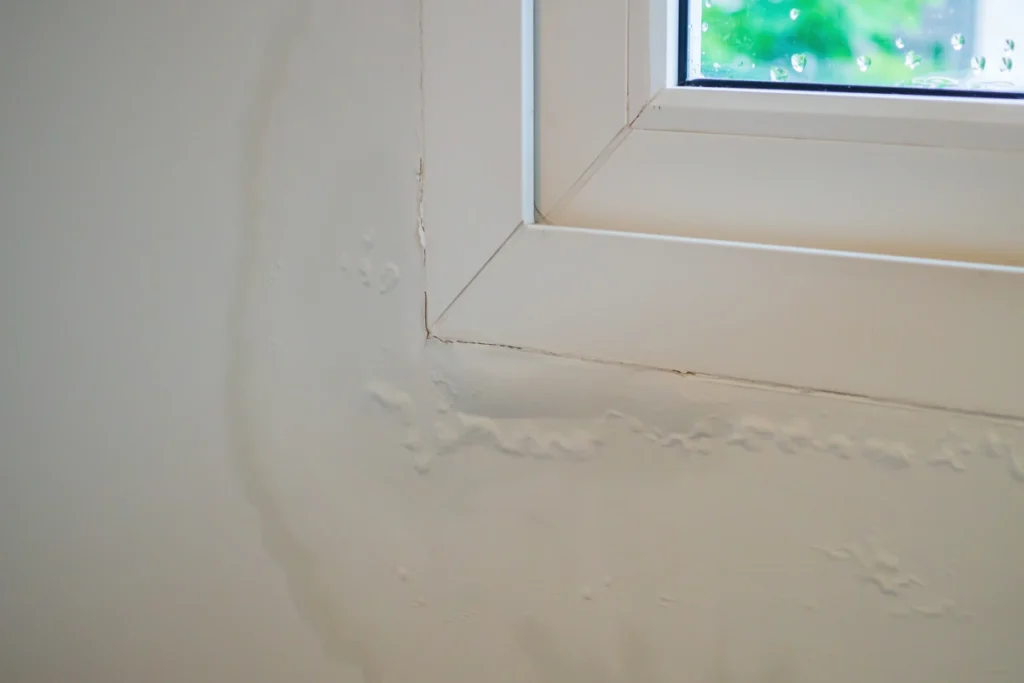
You may notice signs such as baseboards pulling away, paint bubbling, stains, a musty smell, soft drywall, or dampness near outlets and trim. Sometimes there are no obvious signs at first, which is why hidden moisture is so tricky. Water can travel downward and sideways inside a wall cavity before showing a visible symptom. If a leak occurred near a bathroom, kitchen, laundry room, window, or exterior wall, it is smart to assume the wall may be affected until proven otherwise. Professionals use moisture meters and other tools to check what the eye cannot see. That is one of the clearest reasons to call for help when the source or spread is uncertain.
Is all water damage an emergency?
Not every water event is a catastrophe, but many should still be treated as urgent. The longer water sits, the more damage it can do. Even a relatively small leak can become expensive if it is ignored overnight or over a weekend. Emergency becomes especially important when the water is contaminated, when electrical systems are involved, or when building materials are already soaked. If the source is active and still feeding water into the property, it should be treated as an immediate problem. The safest mindset is to act fast whenever water enters places it does not belong. Quick action often makes the difference between simple drying and major reconstruction.
Can wet drywall dry out on its own?
Sometimes a small amount of surface moisture may evaporate, but fully wet drywall is another matter. Drywall can absorb water quickly, and if it remains wet long enough, it may lose strength, swell, or support microbial growth. If the moisture reached the paper backing or insulation behind the wall, the problem is even harder to reverse. A fan may help the surface, but it does not guarantee the interior is dry. In many cases, professionals will evaluate whether the drywall can be dried in place or whether a section needs to be removed to dry the cavity properly. That decision is based on moisture level, time, water type, and the overall condition of the material.
What should I do first after a plumbing leak?First, stop the water if you can safely do so by shutting off the source or the nearby supply valve. Then move items away from the wet area and prevent anyone from slipping or stepping into electrical hazards. If the leak is small and the area is clearly contained, begin drying what you can and take photos. If the leak affected cabinets, flooring, walls, or a ceiling below, call for professional help quickly. Plumbing leaks are deceptively damaging because they often spread into hidden areas before being noticed. The sooner extraction and moisture detection begin, the more likely it is that surrounding materials can be saved and secondary damage can be avoided.
How long does it take for a room to dry after water damage?
There is no single timeline because drying depends on the amount of water, the materials involved, the temperature, the airflow, and the humidity. A small hard-surface spill may dry relatively quickly. A wall cavity, carpeted room, or flooded basement can take much longer. In the Pacific Northwest, natural drying can be slower because the air is often damp. That is why restoration companies use targeted equipment rather than waiting and hoping. They can speed drying while monitoring progress to make sure the structure is actually recovering. The most important thing is not guessing at the timeline but checking moisture levels until the affected materials are within a safe range.
Can water damage lead to mold?
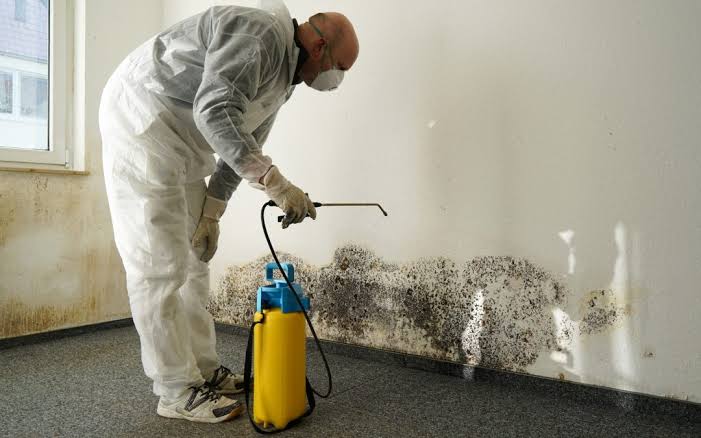
Yes. When moisture remains in a building for too long, conditions can become favorable for microbial growth. That does not mean every wet room will automatically develop mold, but the risk increases when water is not removed quickly and thoroughly. Porous materials such as drywall, insulation, carpet padding, and wood can hold moisture long enough to create problems. This is one reason professional drying is important. The goal is not just to dry the visible surface but to remove the conditions that support further damage. If a space has a musty smell, has been wet for a while, or includes hidden cavities, prompt evaluation becomes much more important.
Will my insurance cover professional water damage restoration?
Coverage depends on the cause of the water damage and the details of your policy. Sudden and accidental events are often treated differently from gradual leaks or neglected maintenance issues. The best immediate step is to document the damage, protect the property from further loss, and contact your insurer as soon as possible. A professional restoration company can help you understand what was affected and may provide documentation that supports the claim process. Even if you are unsure about coverage, it is still wise to get the property stabilized quickly. Delays can make the loss worse and may complicate the claim. Acting fast protects both the structure and the paper trail.
Do I need to remove flooring after a water leak?
Not always, but sometimes yes. The answer depends on the flooring type, how much water entered, and how long it stayed wet. Tile over a properly prepared surface may tolerate limited moisture better than carpet or laminate. Carpet padding, laminate, and some engineered materials can be far more vulnerable. Water can also get underneath flooring and remain trapped, especially along seams and edges. A restoration professional can inspect the extent of saturation and determine whether drying in place is realistic or whether partial removal is needed to protect the subfloor and surrounding materials. Making that decision too late can turn a salvageable situation into a larger repair.
Why should I call a local Tacoma restoration company specifically?
A local company understands the region’s weather, housing types, and response challenges. Tacoma properties can be affected by cool damp conditions, older construction, crawl spaces, basement layouts, and neighborhood-specific drainage patterns. A local restoration provider is also more likely to respond quickly, which matters because time is one of the biggest factors in limiting damage. Being close to areas like downtown Tacoma, the North End, Hilltop, the Stadium District, and the neighborhoods near Point Defiance or the waterfront can make a practical difference in response time. Local knowledge also helps with communication, accessibility, and the realities of rebuilding after moisture damage. When the situation is urgent, that local familiarity can be very valuable.
What is the biggest mistake homeowners make with water damage?
The biggest mistake is assuming that if the surface looks dry, the problem is over. Water often hides in places you cannot see, and those hidden pockets can cause ongoing damage long after the visible puddles are gone. Another common mistake is waiting too long to act because the damage seems minor at first. Small leaks become major repairs when they are left unchecked. A third mistake is relying only on household fans without confirming moisture levels. The safest approach is to stop the water, document the event, and get an expert opinion whenever the damage is more than a simple spill. That approach reduces the chance of larger structural or microbial problems later on.
When water damage is involved, the right answer is not always the cheapest or simplest one. It is the one that actually protects the property. If you are in Tacoma and need a trusted place to begin, start by reviewing the company’s core service information on the Tacoma water damage restoration service page from American Standard Restoration, then compare it with the broader local presence at American Standard Restoration in Tacoma WA for water damage help and the company’s related local resource on Tacoma restoration advice and water damage recovery insights. The goal is to act quickly, verify the moisture is truly gone, and return the property to a safe, stable condition.