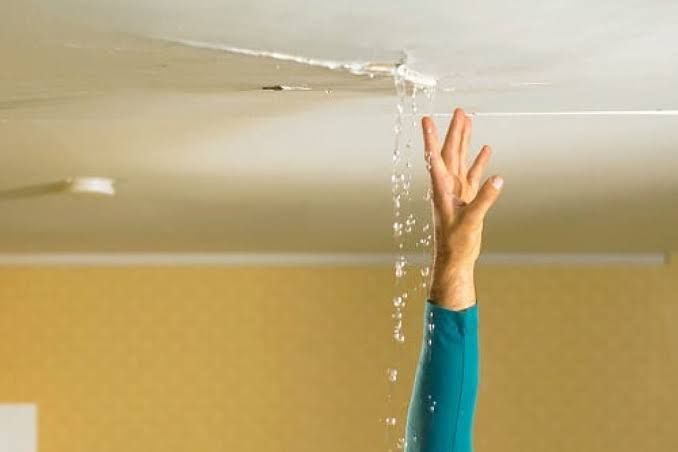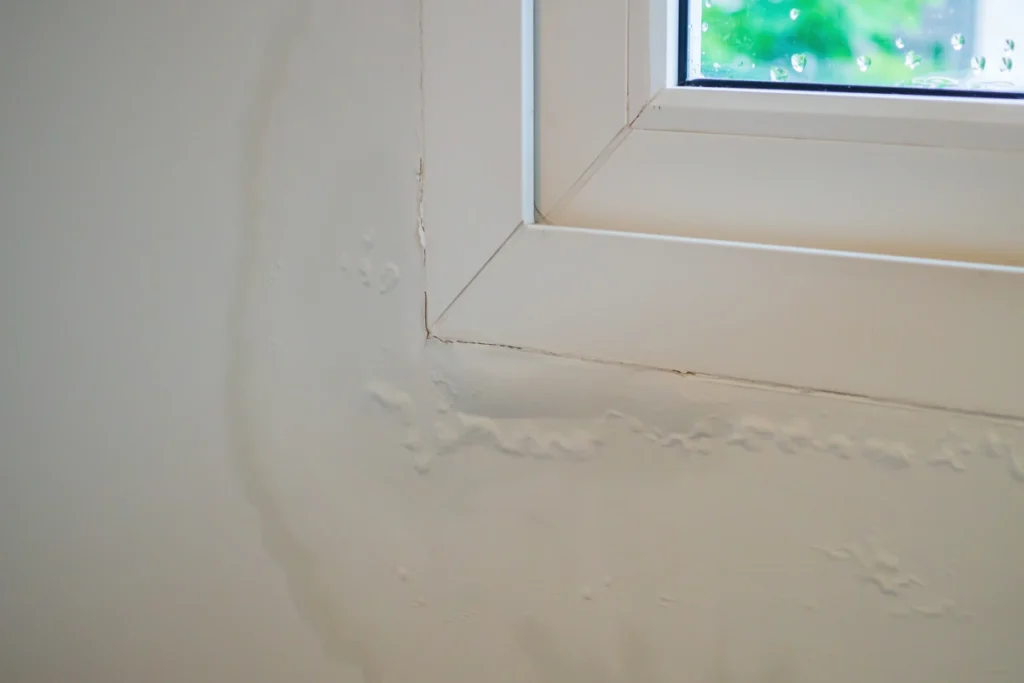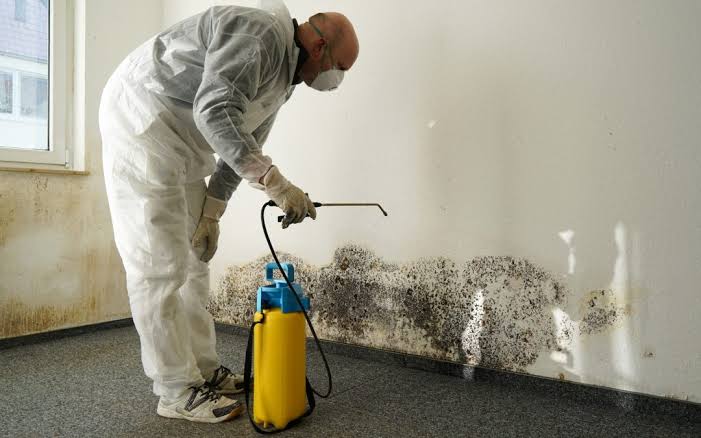
When water enters a home or business in Tacoma, the first instinct is often to grab towels, fans, and a wet vacuum and start cleaning as fast as possible. That quick reaction can help in the first few minutes, but it does not always solve the full problem. Water damage is not only about visible puddles. It can affect drywall, insulation, flooring, framing, subfloors, cabinets, and even air quality. In a city like Tacoma, where older homes, heavy rain, seasonal storms, and plumbing failures can all create sudden moisture problems, the real question is not just whether you can clean up the water. It is whether you can dry, disinfect, and restore the structure safely and completely.
If you are weighing a DIY cleanup against professional help, this guide will walk you through the practical differences. It will help you understand what homeowners can realistically handle, where the risks begin, and why fast professional action often matters more than most people expect. If you need a starting point, American Standard Restoration’s Tacoma water damage restoration team for homes and businesses is built around rapid response, full cleanup, and repair support for local property owners.
Why water damage is more complicated than it looks
At first glance, water damage can seem straightforward. Water is on the floor, so you remove it. Surfaces are damp, so you dry them. If the stain disappears, the problem should be over, right? Unfortunately, that is where many Tacoma property owners get into trouble. Water rarely stays on the surface. It travels under baseboards, into wall cavities, beneath laminate or hardwood, through carpeting, and into insulation. Even when a room looks dry, hidden moisture can remain trapped for days.
That hidden moisture is the real danger because it can lead to warped materials, swelling, odors, bacterial growth, and mold development. It can also weaken structural components over time. In homes near areas like North End, Stadium District, University Place, and around the greater Pierce County corridor, properties may have a mix of older building materials and recent renovations. That combination can make drying more complicated because different materials absorb water at different rates. A surface may look fine while the subfloor underneath is still saturated.
Professional water damage restoration is designed to address the full path of the water, not just the visible mess. A trained crew can identify moisture migration, extract standing water, dry hidden spaces, and determine whether materials can be saved or need replacement. That is why a fast DIY response is helpful, but rarely enough on its own for anything beyond a very small, contained event.
What homeowners in Tacoma can safely handle themselves
There are some situations where a homeowner can take immediate action before a professional arrives. These steps are useful because they reduce the chance of further damage and make the restoration process more efficient. If the source is safe to approach and there is no electrical hazard, you can begin with water removal using towels, mops, a wet vacuum, and portable fans. You can also move furniture, rugs, boxes, and other belongings away from the affected area. If the leak is coming from a sink, appliance, or supply line, shutting off the water source quickly is important.
Homeowners can also document the damage with photos and video for insurance purposes, provided it is safe to do so. Clear documentation helps show the affected areas, the water source, and the condition of personal belongings before cleanup begins. If the damage is minor and limited to a small area of clean water, a DIY response may help prevent the problem from spreading. For example, a small overflow from a bathroom sink or a shallow appliance leak may be manageable if the floor materials are not severely saturated.
That said, even in smaller cases, the real question is not only whether you can remove visible water. It is whether you can reach moisture inside materials and bring the space to a safe dry standard. That is where many DIY efforts fall short. Fans may speed surface evaporation, but without proper moisture detection, dehumidification, and containment, the dampness can remain hidden long after the room looks dry.
Signs the damage is too much for a DIY approach
Some water damage situations should be treated as professional jobs from the start. If the water is coming from a burst pipe, a major appliance failure, a roof leak during heavy rain, a sewage backup, or floodwater intrusion, the risk level rises quickly. These events often involve contaminated water, widespread saturation, or damage that extends beyond one room. In those cases, ordinary household cleanup is not enough.
Another sign you need a pro is when the water has reached walls, ceilings, insulation, or subfloors. If baseboards are soft, drywall is swollen, floors are cupping, or there is a persistent musty smell, moisture is likely trapped where you cannot see it. If the affected area is large, or if multiple rooms are involved, the cleanup becomes more technical. The same is true if the water has been sitting for more than 24 to 48 hours. At that point, the chances of mold growth and material deterioration increase.
Electrical concerns are another red flag. If outlets, light fixtures, circuit boxes, or wiring may have been exposed to water, a homeowner should not continue working in the area without proper safety checks. Tacoma homes and businesses can have mixed electrical systems depending on age and renovation history, so a cautious approach is important. If you are unsure whether the area is safe, that uncertainty alone is a good reason to call a professional.
Finally, if you are dealing with water damage while trying to protect a rental property, commercial building, or occupied home, speed and documentation matter. Professional restoration can help reduce downtime, protect tenants or staff, and make the insurance process smoother. For property owners looking for a focused local service option, water damage restoration in Tacoma, WA with complete drying and cleanup is specifically designed for situations that need more than surface-level cleanup.
What a professional restoration team does differently
The biggest difference between DIY and professional restoration is process. A professional team does not just remove water. It evaluates the source, classifies the damage, measures moisture, protects unaffected areas, and creates a drying plan. The goal is not only to make the space look normal again but to restore it in a way that limits long-term problems.
In a typical response, the crew may begin with inspection and moisture detection. This step helps locate water inside walls, floors, and concealed spaces. Then the team removes standing water using extraction equipment. After that, industrial air movers and dehumidifiers are positioned strategically to speed drying. In some cases, affected materials must be removed so hidden cavities can dry properly. If materials are salvageable, they are monitored over time until moisture levels return to acceptable conditions.
Professional restoration also includes sanitation when needed, odor control, and repair or reconstruction after drying is complete. That matters because water damage is often not an isolated event. A floor may need replacement. Drywall may need to be cut out and reset. Insulation may need to be replaced. Cabinets may need repairs. Without a full-service approach, homeowners may end up hiring multiple contractors or revisiting the same problem later.
In Tacoma, where many properties face water intrusion from storms, plumbing failures, and drainage issues, a company that can handle the process from extraction to repair can save time and reduce stress. American Standard Restoration’s Tacoma property damage restoration reviews and emergency service page is a helpful place to understand the kind of service coverage local customers look for when they need urgent support.
Why speed matters so much in Tacoma’s climate
Tacoma’s climate makes moisture problems particularly important to address quickly. Frequent rain, cool weather, and damp conditions can slow natural drying. That means a wet structure can remain wet longer if it is only treated with household fans and open windows. If a home is already humid indoors, evaporation may be slower than expected. In that environment, trapped water can lead to ongoing damage even after the source has been stopped.
Speed matters for another reason too: the longer water stays in a structure, the greater the chance of secondary damage. Wood may swell, paint can bubble, flooring can lift, and drywall can break down. Materials that are left damp for too long can become more expensive or impossible to restore. A fast professional response improves the odds that more of the original structure can be saved.
Tacoma homeowners also have to think about weather-related water intrusion. Heavy rain can expose roof vulnerabilities, clogged gutters, poor grading, or drainage issues around foundations. In neighborhoods with mature trees, older roofs, or hillside drainage concerns, repeated water exposure can become a recurring issue if the underlying cause is not identified. Professional restoration companies often help with both the immediate damage and the larger pattern that caused it.
The practical takeaway is simple: the sooner the area is assessed and dried, the better the outcome tends to be. Waiting to “see if it dries on its own” can turn a manageable cleanup into structural repairs and mold remediation.
The hidden cost of trying to do everything yourself
DIY cleanup can appear cheaper at first, but the hidden costs can be significant. If moisture remains in the structure, damage may continue after the visible water is gone. That can mean replacing materials twice instead of once. It can also mean mold growth that requires more extensive remediation later. In some cases, partial cleanup leaves behind odors, staining, or uneven flooring that affects the property’s value and livability.
There is also the cost of time. Drying a structure correctly takes more than placing a few fans in the room. It requires monitoring, adjustments, and follow-up. If a homeowner is unsure whether the space is dry, they may keep running equipment longer than necessary or stop too soon. Both mistakes can be expensive. Stopping early leaves moisture behind. Overrunning equipment without a plan can waste energy without improving the result.
Insurance considerations can also affect cost. If a claim is involved, insurers often want clear evidence of the damage and documentation of the mitigation steps. A professional restoration team can provide that support in a structured way. Homeowners doing everything themselves may not capture the right details or may miss key steps that help with claim processing.
That does not mean every situation requires a large response. It means that the true cost of water damage should be measured over the full lifecycle of the problem, not just the first day’s cleanup. In many cases, paying for the right service early is less expensive than fixing a bigger problem later.
How to decide between DIY and calling a pro
A useful way to decide is to ask a few practical questions. First, what kind of water is involved? Clean water from a supply line is less risky than gray water from appliances or black water from sewage. Second, how much water is there? A small spill in one room is very different from standing water across multiple rooms or floors. Third, where did the water go? If it stayed on a hard, sealed surface, cleanup may be simpler. If it entered walls, carpets, subfloors, or insulation, the complexity rises fast.
Next, ask how long the water has been there. The shorter the exposure, the better the chance of limiting damage. If it has been more than a day, caution is wise. Also consider whether you have the right equipment and experience to monitor drying. Household fans are not the same as industrial air movers and dehumidifiers, and a moisture meter is not the same as a visual inspection.
Finally, think about the importance of the space. A damp bathroom with a small leak may be annoying. A flooded basement, kitchen, office, or occupied rental unit is a much bigger issue. If the area affects your ability to live, work, or maintain tenant safety, professional response becomes more valuable.
For many Tacoma property owners, the best decision is a hybrid one: do the safe emergency steps yourself, then bring in professionals for assessment, extraction, drying, and repairs. That approach balances urgency with expertise.
What Tacoma homeowners should do right away after discovering water damage
If you discover water damage, the first priority is safety. If there is any chance that water has reached electrical outlets, fixtures, or appliances, avoid the area until it is safe to proceed. If you can safely stop the source, do that immediately. Shut off the valve, appliance, or main supply if needed. Then remove small personal items and move anything valuable out of the wet zone.
After the area is secure, take photos and video from multiple angles. Capture the source of the water if visible, the spread of the damage, and any affected belongings. Then start basic water removal if it is safe. Open windows only if outdoor conditions are suitable, and use fans if available. Do not assume this is enough. The goal is to buy time, not replace proper restoration.
Next, call a restoration professional if the damage is more than minor. A trained team can inspect the area, tell you what can be salvaged, and explain what needs drying or removal. If you are in or around Tacoma, it helps to work with a provider that understands local property types, weather patterns, and common water entry points. Nearby landmarks and traffic corridors such as downtown Tacoma, the Stadium District, Point Defiance, and the Interstate 5 corridor all reflect how varied the local housing and commercial environment can be, which is one reason localized response matters.
Also, if you suspect mold, sewage, or structural compromise, do not keep experimenting with DIY methods. Those situations are best handled with professional equipment and a defined process.
Why local expertise matters in Tacoma, WA
Water damage restoration is not just about tools. It is also about local experience. A Tacoma-based team understands how regional weather patterns, property ages, and building styles affect drying and repairs. That matters when evaluating whether a wall can be saved, how fast a crawl space will dry, or whether hidden moisture is likely to remain in a particular type of flooring or framing.
Local knowledge also helps with response logistics. In a water emergency, travel time matters. A company already serving Tacoma, Pierce County, and the surrounding area can often respond faster than an out-of-area contractor. Faster response reduces the amount of time water has to spread or soak deeper into the structure.
For homeowners near places like Wright Park, the Thea Foss Waterway, Tacoma Dome, or the University of Washington Tacoma area, there can also be a mix of older construction, waterfront influence, and dense urban infrastructure. That combination can create different restoration challenges than a newer suburban property. A local pro who understands these conditions can make better decisions about containment, drying strategy, and repair planning.
That is the value of choosing a restoration company with a Tacoma presence rather than hoping a general cleanup approach will be enough. The right team brings not only equipment, but judgment built around the realities of the area.
How American Standard Restoration fits into the decision
American Standard Restoration is positioned as a local Tacoma restoration company focused on helping homes and businesses recover quickly from water and flood damage. The company’s service descriptions emphasize water extraction, structural drying, moisture detection, and full cleanup. It also notes that it handles more than one type of loss, including mold removal, sewage cleanup, fire damage restoration, and storm repair. That broader capability matters because water damage often reveals other issues once the first layer of cleanup begins.
The value of a local restoration provider is not only in emergency response but also in continuity. When one team can remove the water, dry the structure, assess the damage, and help with the next stage of repairs, the process is simpler for the property owner. It reduces handoffs and helps keep the work moving. For many Tacoma property owners, that is the difference between a stressful, fragmented recovery and a more organized one.
If you are trying to decide whether to handle a problem yourself, the safest rule is to limit DIY efforts to immediate damage control. Once the problem involves hidden moisture, contaminated water, widespread saturation, structural materials, or uncertainty about dryness, professional help is the wiser choice. A qualified restoration team can protect the property, reduce the risk of future damage, and help you move forward faster.
Frequently Asked Questions
Can I handle a small water leak myself in Tacoma?
Sometimes, yes. If the leak is truly minor, the water is clean, and the area is limited to a small section of flooring or a surface spill, a homeowner may be able to start cleanup on their own. That can include shutting off the source, removing standing water, moving belongings, and using fans to help dry the area. The key is to judge the size and depth of the damage honestly. If moisture may have entered a wall, baseboard, carpet pad, subfloor, or ceiling, the job becomes more complex. Even a small leak can hide a bigger issue behind the surface. In Tacoma’s damp climate, small leaks can also dry more slowly than expected, which increases the risk of lingering damage. If you are not sure the area is fully dry, a professional inspection is a smart next step.
What type of water damage is too risky for DIY cleanup?
Any situation involving sewage, floodwater, or water that has been contaminated by appliances or long-term standing exposure should be treated as a professional job. These sources can carry bacteria, odors, and health risks that go beyond normal household cleaning. Water that has spread into walls, insulation, or electrical areas is also risky because the problem may be hidden. A DIY approach can miss critical moisture inside the structure, which can later turn into mold or ongoing deterioration. If the area is large, if multiple rooms are affected, or if the water has been sitting for more than a day, the risk increases further. In those situations, professional water damage restoration in Tacoma, WA is generally the safer and more effective choice.
How fast should water damage be addressed after it happens?
As fast as possible. The first hours matter because water keeps moving into materials until it is extracted and drying begins. The longer it sits, the more likely it is to damage flooring, drywall, insulation, and framing. In a place like Tacoma, where humidity and rainfall can slow natural drying, waiting can make the problem worse even if the surface looks manageable. The goal is to stop the source, remove standing water, and begin proper drying right away. If you are calling a pro, do it immediately rather than waiting to see whether the area improves on its own. Early action usually leads to lower repair costs, better material salvage, and a lower chance of secondary issues like mold growth.
Will fans and open windows be enough to dry my house?
Usually not. Household fans and open windows can help with surface drying, but they do not reliably remove hidden moisture from walls, subfloors, crawl spaces, or insulation. They also depend heavily on outdoor conditions, which is a major issue in Tacoma when weather is cool or humid. Professional drying uses a combination of extraction, dehumidification, and controlled airflow to remove moisture from both the visible surface and the structure beneath it. That is a much more complete process than what most homeowners can do with basic equipment. If the water damage is more than very minor, fans alone should be treated as a temporary help, not a final solution. You may feel like the space is drying, but moisture can still remain behind the walls or under the floor.
How do I know if there is hidden moisture after cleanup?
Hidden moisture is hard to detect without the right tools. Warning signs include lingering musty odors, soft drywall, warping, cupping floors, bubbling paint, staining, or areas that feel cooler or damp to the touch. But those clues are not enough to confirm that a structure is dry. Professional restoration teams use moisture detection tools and sometimes thermal assessment methods to identify damp areas that are not visible. That matters because a room can look fine while moisture remains inside the framing or under the flooring. If you cleaned up water yourself and are not fully sure the structure dried correctly, a pro inspection can give you peace of mind and help prevent future damage. In many cases, that inspection is the difference between a successful cleanup and a recurring issue.
Does insurance usually cover water damage restoration?
Coverage depends on the cause of the damage and the details of the policy. Sudden and accidental water events, like a burst pipe or appliance failure, are often treated differently from damage caused by long-term neglect, flooding, or a maintenance issue. Because of that, it is important to document the damage right away and notify your insurer quickly. Photos, videos, and records of the cleanup steps can help support your claim. Professional restoration companies are often helpful here because they can provide detailed mitigation records and explain what was done to stop the damage from getting worse. If you are unsure what your policy covers, contact your insurance provider as soon as possible and keep the restoration process moving at the same time.
What should I do first if my basement floods in Tacoma?
Start with safety. If there is any electrical hazard, do not enter the area. If it is safe, stop the water source and keep people away from the flooded space. Then document the damage and remove anything you can safely salvage from dry areas. Basements are especially tricky because water can soak into concrete, framing, insulation, and stored items, and the space may have limited ventilation. In Tacoma, basement flooding can be made worse by persistent rain or drainage issues outside the home. Because of that, a basement flood should usually be assessed by a professional quickly. Extraction, drying, and moisture checks are important, and the cause of the flooding should be addressed so it does not happen again.
Can water damage lead to mold growth?
Yes. If materials stay damp long enough, mold can begin to develop, especially in hidden areas with limited airflow. That is why water damage should be handled quickly and thoroughly instead of waiting for things to dry naturally. Mold risk increases when drywall, carpet pad, insulation, or wood framing stay wet for an extended period. Tacoma’s climate can create a longer drying window than some other regions, which makes timely mitigation even more important. Good water damage restoration includes not only extraction and drying but also moisture verification and cleanup of affected materials when needed. If you already smell something musty or see signs of discoloration after a leak, do not ignore it. That may mean the structure needs more than basic drying.
Is it worth calling a pro if the room looks dry already?
Yes, if there is any doubt about hidden moisture. A room can look dry on the surface while moisture remains underneath flooring, behind baseboards, or inside walls. That hidden water can cause long-term problems even when the room feels normal to the touch. A professional can confirm whether the structure is actually dry and whether any materials need to be removed or replaced. In water damage work, what you cannot see is often more important than what you can. Calling a pro is especially worthwhile if the water event was more than minor, if the source was contaminated, or if the room contains materials that trap moisture. A quick assessment can prevent a small issue from becoming a costly repair later.
How do I choose the right restoration company in Tacoma?
Look for a company that responds quickly, offers water extraction and structural drying, understands local property conditions, and communicates clearly about the process. It helps if the company can handle multiple parts of the restoration process, including cleanup and repair, because that reduces confusion and delays. You should also look for a provider with experience in Tacoma and the surrounding Pierce County area, since local knowledge can improve response time and decision-making. Clear estimates, documentation, and a straightforward explanation of what happens next are all signs of a trustworthy operation. When water damage happens, the right company is one that helps you understand the scope of the problem instead of making it feel more complicated.
What is the safest overall choice for most Tacoma homeowners?
For most homeowners, the safest choice is to handle only the immediate emergency steps yourself and call a professional for the actual restoration work. That means stopping the source if you can, moving belongings, taking photos, and removing a little visible water if the situation is safe. After that, a restoration pro can inspect the structure, detect hidden moisture, dry the space properly, and recommend any repairs. This approach protects your home from hidden damage and reduces the chance of future mold, odors, or structural issues. In Tacoma, where damp weather can make drying more difficult, that professional step is often the smartest move even when the initial leak seems minor.
Water damage is one of those problems where quick action matters, but correct action matters even more. If the issue is small and clearly limited, a homeowner may be able to start cleanup safely. But once hidden moisture, contamination, structural exposure, or electrical risk enter the picture, professional restoration is usually the better path. For Tacoma property owners, the smartest strategy is to act fast, stay safe, and bring in local expertise before a manageable issue becomes a much larger repair. If you want a local team that focuses on rapid response, complete drying, and practical restoration support, American Standard Restoration is a strong place to begin.