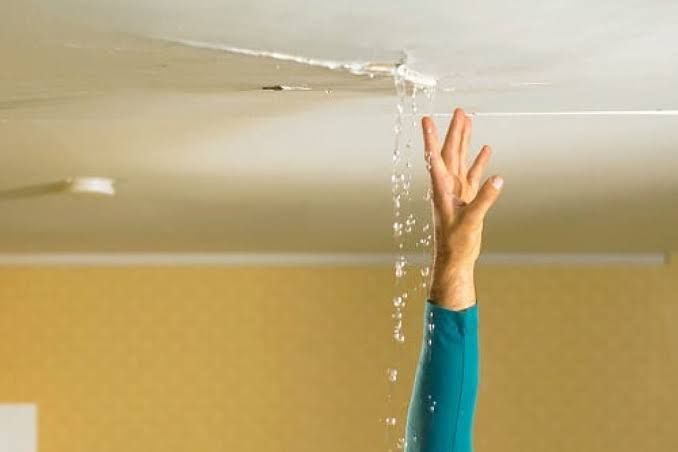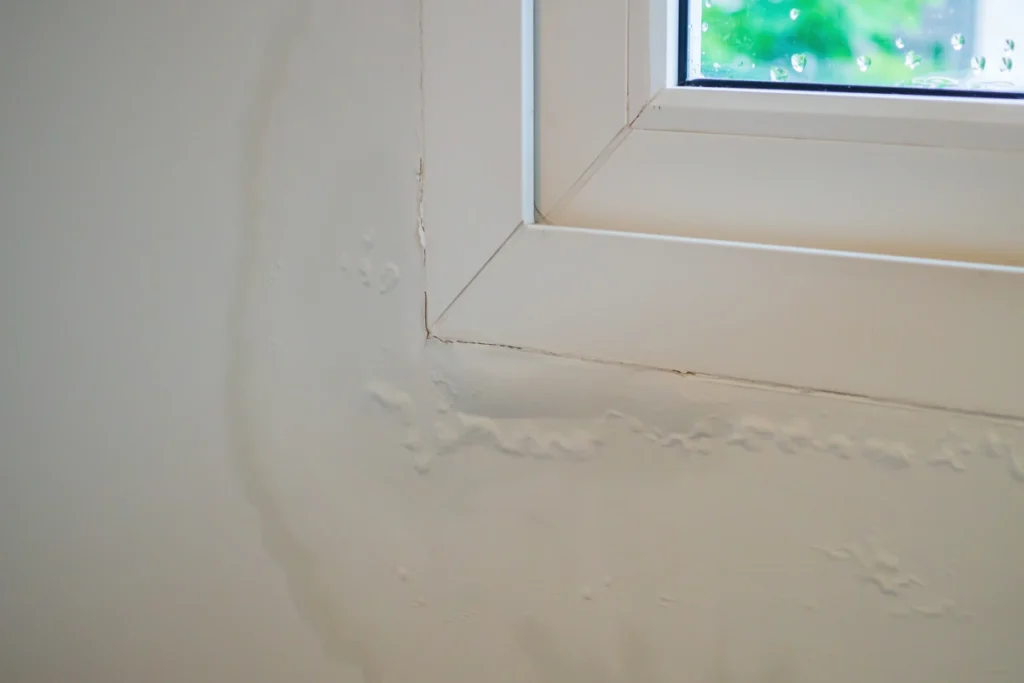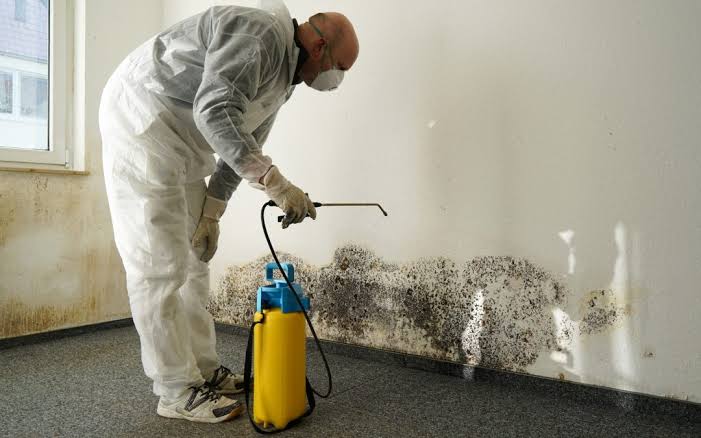
Sewage backups can be a distressing occurrence for homeowners, often leading to property damage and health hazards. Sewage backup cleanup involves a series of steps aimed at restoring the property while ensuring safety and preventing contamination. This guide will describe various causes of sewage backups, the cleanup process, and effective prevention strategies. Understanding these elements not only helps in mitigating immediate damages but also empowers homeowners to take proactive measures against future incidents. We will also underscore the importance of hiring professionals like American Standard Restoration for emergency sewage cleanup in Tacoma, ensuring comprehensive restoration services are undertaken efficiently. For immediate assistance, consider their emergency sewage cleanup services in Tacoma.
Causes of Sewage Backups
Sewage backups can arise from various causes, each leading to significant plumbing issues that can disrupt homes and businesses alike.
- Clogged Drains: Blockages in sewer lines due to debris, hair, grease, or foreign objects can prevent wastewater from moving freely.
- Sewer Line Failures: Aging infrastructure or tree root intrusion can damage sewer lines and lead to irreversible failures.
- Municipal Backups: Overwhelmed municipal systems, especially during heavy rainfall, can permit sewage to flow back into residential systems.
Understanding these causes can assist homeowners in taking preventative steps to reduce the likelihood of future backups. Proper prevention can help avoid the need for extensive sewage backup cleanup processes.
Cleanup Processes
The cleanup process following a sewage backup is critical for restoring a safe and habitable environment.
- Immediate Response: The affected area should be evacuated, and the source of the backup must be identified.
- Contamination Assessment: Professionals assess the extent of contamination to determine necessary cleanup measures.
- Sewage Removal: Using specialized equipment, sewage is removed, followed by thorough cleaning of all affected surfaces.
Professional environments, such as those provided by American Standard Restoration, ensure that these steps are completed efficiently to minimize damage and health risks.
Prevention Strategies
Preventing sewage backups is preferable to dealing with the aftermath. Homeowners can take several effective measures:
- Regular Maintenance: Scheduling routine plumbing inspections can catch issues early and prevent backups.
- Proper Disposal: Avoid flushing non-biodegradable items down toilets and ensure that grease and food scraps are disposed of correctly.
- Backflow Prevention Devices: Installing these devices can effectively shield your home from municipal sewer backups.
American Standard Restoration encourages homeowners to implement these strategies to reduce their risk of emergency sewage cleanup.
Importance of Professional Services
Engaging professional services for sewage cleanup is crucial for several reasons.
- Health Risks: Sewage contains harmful bacteria and pathogens that can pose serious health risks without proper treatment.
- Certified Technicians: Professionals possess the training and certifications necessary to manage hazardous waste effectively and safely.
- Effective Restoration: Experts ensure thorough cleaning, sanitation, and restoration of the affected area, mitigating long-term damage.
For optimal results in sewage backup cleanup, homeowners should prioritize sourcing help from certified professionals like American Standard Restoration.
What Are the Immediate Steps After a Sewage Backup in Tacoma?
If you experience a sewage backup, immediate actions should be taken to mitigate damage and ensure safety:
- Prioritize Safety: Evacuate the area and avoid contact with sewage or contaminated surfaces.
- Call for Professional Help: Reach out to a professional remediation service like American Standard Restoration at (253) 439-9968.
- Document the Incident: Take photographs for insurance claims and documentation purposes.
Taking these steps can significantly decrease health risks and property damage after a sewage backup incident.
How to Safely Handle Sewage Contamination Before Professionals Arrive
While waiting for professionals after a sewage backup, there are steps you can take to ensure safety:
- Evacuate the Area: Ensure all occupants and pets are removed from the affected space.
- Avoid Contact: Do not try to handle sewage or contaminated materials without proper protective gear.
- Shut Off Power: If safe, turn off electricity to the affected areas to prevent electrical hazards.Following these precautions can reduce risks until help arrives.When and How to Contact Emergency Sewage Cleanup Services in TacomaHomeowners should know the signs that necessitate contacting sewage cleanup services:Pooling Water: Any backups or pooling of water that exceeds normal drainage.Unpleasant Odors: Persistent foul odors can indicate a sewage issue.Gurgling Sounds: Unusual noises from plumbing fixtures can suggest a backup is imminent.When these indicators arise, promptly call a sewage cleanup service in Tacoma for immediate assistance. Such services are crucial for handling the complex sewage removal procedures.How Does the Sewage Backup Cleanup Process Work in Tacoma?Sewage backup cleanup follows a structured process to ensure safe and thorough restoration:Emergency Response: Upon arrival, professionals assess the situation and implement emergency protocols to contain sewage.Cleaning and Disinfection: All contaminated surfaces are cleaned using industrial-grade disinfectants to eliminate bacteria and pathogens.Final Review: A thorough inspection ensures that the property is restored to a safe condition before completion.This structured approach is vital for effective remediation of sewer-related issues.Detailed Water Extraction and Sewage Removal ProceduresWater extraction is performed meticulously to remove all traces of sewage effectively:Extraction Techniques: Professionals utilize powerful pumps and vacuums designed to handle large volumes of contaminated water.Equipment Safety: Prioritize the use of safety gear and equipment to protect technicians and mitigate risks.Structural Assessment: Inspecting the structural integrity of the areas affected helps determine the need for further repairs.Proper procedures not only ensure cleanliness but also protect the property from long-term damage.Sanitization and Mold Remediation Techniques After Sewage BackupsPost-cleanup sanitization is essential to prevent further complications such as mold growth:Cleaning Affected Areas: Using EPA-approved disinfectants, all surfaces in the impacted area are treated.Antimicrobial Treatments: Specific techniques are implemented to inhibit mold growth following the cleanup.Monitoring for Mold Growth: Continuous monitoring may be necessary to catch any hidden mold issues early.Understanding these techniques is essential for maintaining a safe living environment after a sewage event. Professional mold remediation is key to a healthy home.What Are the Health Risks and Regulatory Requirements for Sewage Cleanup in Tacoma?Sewage exposure brings with it numerous health risks and regulatory considerations that must be adhered to:Contaminated Water Health Risks: Exposure to contaminated water can lead to serious health issues, including infections and gastrointestinal diseases.Regulations Under IICRC: Compliance with the Institute of Inspection, Cleaning and Restoration Certification (IICRC) ensures proper standards during cleanup processes.Necessity for Professional Cleanup: Regulation requires that sewage cleanup be performed by professionals to mitigate health risks effectively.Hiring qualified services ensures adherence to these regulations, protecting both health and property.Understanding Health Hazards from Sewage Exposure According to CDC GuidelinesThe CDC provides guidelines that highlight the potential health hazards from sewage exposure:Symptoms of Exposure: Common symptoms can include nausea, vomiting, diarrhea, and skin irritation.Recommended Safety Measures: Proper handwashing and sanitation are essential after any potential exposure to sewage.Awareness of these hazards emphasizes the importance of professional remediation services. For detailed information, consult CDC guidelines on sewage exposure health hazards.Beyond general disinfection, specialized research explores the effectiveness of various treatments against the specific microbial threats found in contaminated floodwaters.Disinfectant Effectiveness for Category 3 Floodwater ContaminationOriental rugs contaminated with Category 3 floodwater potentially harbor environmental bacteria known to be human pathogens. River water inoculated with three species of gram positive and gram negative environmental bacteria (Escherichia coli, Enterococcus faecalis, Pseudomonas aeruginosa) were used to assess the effectiveness of disinfectant type, cleaning methodology and drying practices by examining the survival rates of bacteria. Rug sections were immersed for one hour in contaminated water, saturated in one of three EPA registered disinfectant products (Phenol, Quaternary chloride, and Thyme oil) or tap water as a control, followed by cleaning The Effect of Disinfectants, Cleaning, and Drying Practices on Oriental Rugs Flooded with Contaminated River Water: Public Health and Policy Implications, 2012 How Much Does Professional Sewage Backup Cleanup Cost in Tacoma WA?The cost of sewage cleanup can vary based on several factors, generally leading to treatment ranging from $1,500 to $5,000 for residential properties, depending on the severity of the damage.Factors Influencing Costs: The extent of the damage, area affected, and specific services required can all affect the final pricing.Price Transparency: Companies should provide clear pricing structures to clients prior to starting work.Understanding these cost factors helps homeowners budget accordingly for necessary remediation.Factors Influencing Sewage Cleanup and Restoration PricingThe pricing of sewage cleanup services is influenced by various aspects:Extent of Damage: More extensive damage typically incurs higher costs due to increased labor and materials.Labor and Materials: Prices can vary based on the cost of labor in the region and the materials used during cleanup.Local Market Rates: Regional economic factors can also contribute to the overall pricing structure.Homeowners should be aware of all these factors when assessing potential cleanup costs.Insurance Coverage Essentials for Sewage Damage Claims in TacomaInsurance coverage is often crucial in managing sewage damage effectively:Types of Coverage: Homeowners should understand what their policy covers in relation to sewage backup and other water damage events.Claim Processes: Prompt reporting of damage to insurance providers can expedite the claims process for necessary financial assistance.Understanding one’s insurance policy can provide financial relief during recovery. Consider consulting with your provider regarding insurance coverage for sewage damage.What Prevention Tips Reduce Sewage Backup Risks in Tacoma Properties?Taking proactive steps can significantly reduce the risk of sewage backups:Regular Maintenance: Ensure that plumbing systems are regularly inspected and maintained to catch problems early.Proper Drainage: Ensuring proper drainage systems around the home aids in preventing flooding and backups.Installing Preventive Measures: Consider installing backflow valves to protect against municipal overloads.Implementing these tips can greatly reduce the risk of requiring sewage backup restoration services.Effective DIY Measures to Minimize Sewage Backflow and DamageHomeowners can implement practical measures to address potential sewage issues:Evacuate Area: If flooding occurs, clear the area immediately for safety.Preventive Actions: Installing sump pumps can further protect basements from rising sewage and water levels.Homeowner Awareness: Being aware of the plumbing system’s vulnerabilities helps in preventing emergencies.Simple DIY measures can yield significant benefits in averting sewage damage. Proactive home maintenance is key to preventing large-scale issues.How Regular Maintenance and Inspection Protect Against Sewage EmergenciesRegular inspections and maintenance can greatly enhance property resilience against sewage issues:Scheduled Inspections: Engaging professionals for periodic inspections can identify weaknesses in the plumbing system.Preventative Measures: Regular upkeep prevents clogs and other plumbing issues from escalating into major emergencies.Prioritizing maintenance minimizes the risk of unexpected sewage disasters. Regular checks can prevent costly sewage emergencies.What Services Does American Standard Restoration Offer for Sewage Backup Cleanup in Tacoma?American Standard Restoration is a leader in providing comprehensive sewage backup cleanup services.Emergency Response: They offer 24/7 emergency response to address sewage issues promptly.Mold Prevention: Their services include comprehensive mold prevention measures post-cleanup to ensure a safe environment.Comprehensive Cleaning: The company utilizes advanced techniques and equipment for thorough cleaning and restoration.For residents in Tacoma seeking reliable sewage cleanup services, reaching out to American Standard Restoration is a key step. They offer detailed sewage cleanup services in the Tacoma area.Certified Emergency Sewage Removal and Property Damage RestorationAmerican Standard Restoration employs certified technicians who are trained in efficient sewage removal and restoration processes:Expertise of Certified Technicians: Their team is equipped with the skills and knowledge necessary to mitigate health risks and restore properties effectively.Insurance Compliance: The company ensures that all cleanup activities are compliant with relevant insurance policies and regulations for seamless claims processing.This certification and expertise provide peace of mind to clients facing sewage disasters.Customer Support and Service Areas Including Tacoma and Surrounding CountiesAmerican Standard Restoration values its customers throughout the Tacoma area and beyond.Service Areas: They cover Tacoma and surrounding counties, providing wide-reaching support for sewage cleanup needs.Contact Methods: Homeowners can reach out via phone at (253) 439-9968 to access their services quickly.Customer Service Emphasis: Their dedication to excellent customer service ensures residents receive the attention and care they need during emergencies.This commitment enhances their reputation as a trusted provider of sewage cleanup solutions in the region.