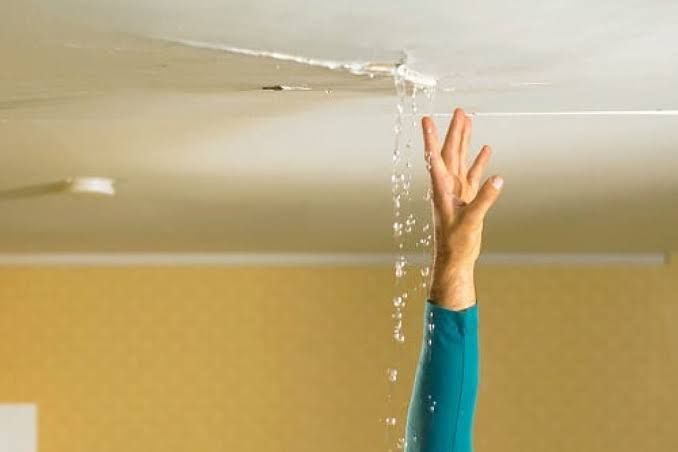
When water starts spreading through a home or business, the first few minutes matter. In Tacoma, that can mean anything from a burst supply line near the North End to a storm-related leak in South Tacoma, a flooded basement in Proctor, or moisture creeping into flooring after a heavy Puget Sound rain. Before the restoration crew arrives, your job is to reduce damage, protect safety, and preserve as much of the property as possible without making the situation worse.
American Standard Restoration serves Tacoma property owners with water extraction, structural drying, moisture detection, and full flood cleanup for residential and commercial losses. If you are trying to understand what to do in the window between discovery and arrival, the key is to act quickly, stay safe, and avoid unnecessary cleanup steps that could interfere with a professional response. For help from the team itself, you can start at American Standard Restoration in Tacoma water damage recovery services and review their dedicated service page at Tacoma water damage restoration and structural drying services.
This guide is designed to help Tacoma residents and business owners make smart, practical decisions before help arrives. It also points to the kind of information that matters most during an emergency: safety, speed, documentation, and communication. If you are dealing with water near the Hilltop, Stadium District, University Place border, or anywhere in Pierce County, the steps below can help you protect your property and give the restoration team a better starting point.
What to do first when water damage is discovered
The first step is to stop and assess the hazard before doing anything else. Not every water event is the same. A leaking sink line in an upstairs bathroom is very different from a sewage backup, a roof leak that has soaked insulation, or water coming in from a storm drain overflow. Your first priority is always personal safety. If there is active electrical exposure, deep standing water, a strong sewage odor, or signs the ceiling may collapse, leave the area and wait for trained professionals.
If the source is safe and reachable, shut off the water at the fixture or the main supply valve. In many Tacoma homes, the main shutoff may be located in a basement, crawl space, garage, utility closet, or at the street-side meter box. If you cannot locate it quickly, do not waste time searching blindly through a flooded area. Call for help and focus on limiting spread instead.
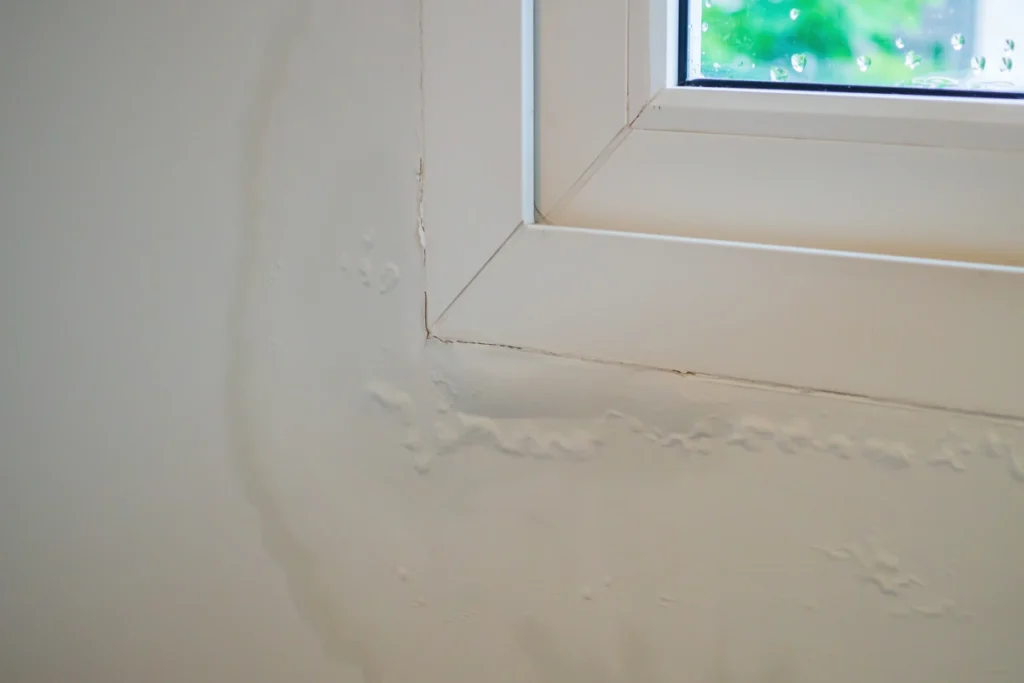
Once the water source is controlled, take a quick visual survey. Look for wet drywall, buckled flooring, damp baseboards, stained ceilings, and areas where water may have moved under cabinets or into adjacent rooms. In a business setting near downtown Tacoma or along Pacific Avenue, this may include restrooms, break rooms, server closets, storage areas, or tenant spaces. The more clearly you can identify affected areas, the easier it will be for the restoration team to begin mitigation as soon as they arrive.
Protect yourself before protecting the property
Water damage can create hidden electrical and structural risks. If water has reached outlets, power strips, appliances, or extension cords, avoid walking through the area with bare feet or touching any electrical item that may still be energized. If there is a concern about electricity and it is safe to do so, shut off power to the affected area at the breaker panel. If the panel itself is in a wet area, do not approach it. That is a moment to step back and wait for the professionals.
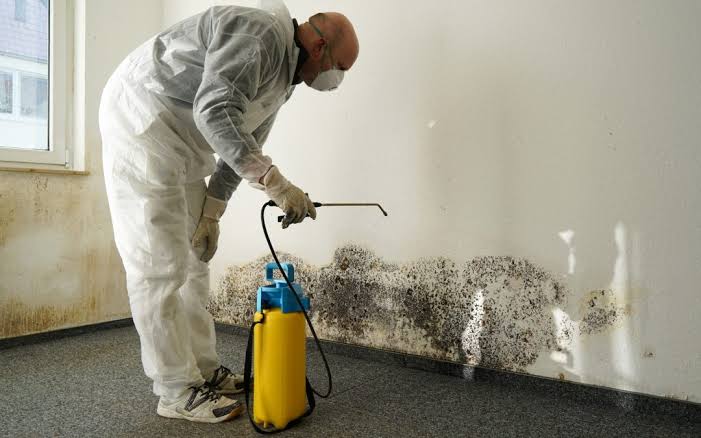
Be especially cautious with contaminated water. Not all water is clean. Water from toilets, sewer lines, stormwater intrusion, or long-standing leaks can carry bacteria and irritants. If you suspect contaminated water, wear gloves and boots only if you can do so without entering a dangerous area. Keep children, pets, and vulnerable family members away from the affected rooms. In a Tacoma property with older construction, water may also reveal mold or compromised materials hidden behind walls and under flooring.
If someone has slipped, been shocked, or is experiencing respiratory irritation, seek medical support immediately. The restoration process can wait; people cannot.
Document everything before cleanup begins
One of the most important things you can do before the restoration crew arrives is document the damage thoroughly. This helps with insurance, supports claims discussions, and gives the mitigation team a clearer picture of what happened. Use your phone to take wide-angle photos of each affected room, then take close-up photos of the water source, stained materials, soaked items, and any visible structural damage. If possible, record a short video walkthrough while narrating what you see.
Include details such as the time you discovered the problem, when the leak likely began, whether the water source has been shut off, and whether you noticed unusual sounds, odors, or electrical issues. If the damage is in a neighborhood like Fircrest, the Eastside, or near Tacoma Community College, the same rule applies: clear records help build a clearer recovery path. If you keep receipts for emergency supplies, temporary lodging, or items you had to move, save those as well.
Do not throw away damaged materials too soon. Insurance adjusters and restoration professionals often need to see what was affected. If something must be discarded for safety reasons, photograph it first. Good documentation creates trust and reduces confusion later.
Move what you can, but do not overdo it
If the water level is low and the area is safe, move lightweight, dry, and valuable items away from the wet zone. This can include electronics, documents, artwork, area rugs, toys, and personal keepsakes. Place them in a dry room, on a counter, or in a garage where they will not get further exposed. In a Tacoma home with limited space, even a small amount of water can quickly spread into furniture and storage areas, so rapid removal of important items can make a difference.
That said, do not try to move heavy furniture, appliances, or soaked carpet on your own if there is any risk of injury or spreading contamination. Wet materials can be much heavier than they look. A waterlogged couch, soaked mattress, or saturated section of carpet may tear, collapse, or release more moisture into the subfloor when lifted incorrectly. It is usually better to leave large items in place and let the restoration team evaluate what can be salvaged.
If you do move items, place aluminum foil, wood blocks, or plastic risers under furniture legs if the floor is wet and the object must remain in the room. This can help reduce staining and wick-up while you wait for service. Avoid stacking water-damaged items directly against one another, because that can trap moisture and slow drying.
Reduce spread without creating hidden moisture problems
Many homeowners want to open windows, turn on fans, or begin mopping immediately. Sometimes that helps, but not always. The right first move depends on the source, the weather, the amount of moisture, and the materials involved. In Tacoma, damp outdoor air and cool temperatures can sometimes slow drying or increase humidity if the home is already saturated. That is why broad, uncontrolled airflow is not always the answer.
If it is safe and dry outside, opening a few windows may help reduce odors or improve fresh-air exchange in a limited area. However, if rain is falling or outside air is more humid than the indoor environment, keep windows closed and let the restoration team control the drying process. A professional crew will likely bring air movers, dehumidifiers, and moisture detection tools to monitor drying conditions and prevent lingering moisture behind walls or under flooring.
Do not cut holes in drywall, remove trim, or pull up flooring unless you have been told to do so by a trained professional. Well-meaning DIY demolition can create more damage, disturb contaminated materials, and make the insurance process more complicated. The goal before arrival is to stabilize, not to rebuild.
What Tacoma homeowners should know about common water sources
In Tacoma, water damage often comes from a handful of predictable sources. Roof leaks are common during long wet seasons. Plumbing failures can happen in older neighborhoods with aging supply lines. Appliance leaks often appear in kitchens, laundry rooms, and utility spaces. Crawl space moisture can enter through the foundation, especially in homes with drainage concerns. Sewer backups and stormwater intrusion may affect lower levels during heavy rainfall events.
Understanding the likely source helps the restoration team respond more efficiently. For example, if the leak came from a failed toilet supply line, the team will know to inspect adjacent flooring and nearby rooms carefully. If the issue came from a roof leak in a home near Point Defiance or Browns Point, the crew may look for saturated insulation and hidden ceiling cavities. If water entered a basement near the Tacoma Dome area after a storm, structural drying and moisture mapping may become the top priorities.
The more you can share about the timeline and source, the more precise the response can be. Even if you are not sure where the water started, mention what you heard, saw, or smelled. Small details can matter.
Prepare a clean path for the restoration team
Before the crew arrives, try to create a safe, accessible path from the entrance to the damaged area. Remove shoes, toys, loose cords, floor mats, and other tripping hazards from hallways. If the damage is upstairs, make sure stairs are clear. If the crew will need access through a garage or side entry, move vehicles if possible and unlock gates or doors. In busy areas around downtown Tacoma or near major routes such as I-5 and SR 16, traffic and parking limitations can already slow response times, so any access help you can provide is valuable.
Turn on lights in hallways and affected rooms if it is safe to do so. Good lighting helps the crew work quickly and reduces the chance of accidental damage. If parts of the property are dark because of a power issue, tell the team in advance so they can plan accordingly.
If you live in a condominium, apartment, or mixed-use building, notify building management right away. Water often spreads vertically and horizontally through shared walls, flooring systems, and utility chases. Fast communication can help protect neighboring units and common areas.
How to handle belongings, paperwork, and sentimental items
Not everything damaged by water can be replaced, and the things that matter most are often the hardest to evaluate. Birth certificates, tax records, photos, heirlooms, school documents, and business records may all be at risk if the water reaches storage areas. Before the restoration team arrives, move paper items to a dry location if you can do so safely. If documents are already wet, lay them flat in a dry space and avoid folding or stacking them tightly.
For electronics, do not power them on to “check if they still work.” That can cause further damage. If possible, unplug them and move them carefully to a dry spot. If a device was submerged or exposed to a significant amount of moisture, keep it off until a professional assesses it. For business owners, especially those operating in Tacoma’s commercial corridors, backing up digital records and notifying IT support may also be important if moisture reaches a server closet or office network equipment.
Sentimental items can sometimes be restored if handled correctly and quickly. A restoration team may be able to advise on what should be dried immediately, what should stay in place, and what should not be touched further.
Contact the right people in the right order
Once the immediate danger is under control, notify the restoration company and your insurance provider as soon as possible. Time matters because water damage changes rapidly. Materials can swell, stain, delaminate, or grow microbial contamination if they remain wet. A fast response can limit the amount of demolition and reduce the overall repair scope.
When you call, be ready to share the basic facts: what happened, when you discovered it, where the water is coming from if known, what rooms are affected, whether the water is clean or contaminated, and whether power or structural hazards are present. If you are dealing with a claim, ask what documentation the insurer may need. Keep your notes in one place so you do not have to remember every detail later.
Many Tacoma property owners also want a clear understanding of what the restoration company does at the first visit. In this case, the service focus includes water extraction, structural drying, moisture detection, and flood cleanup. That means the first phase is typically about removing moisture, measuring hidden dampness, and stabilizing the property so repairs can move forward. If you want to read more about the company’s service approach, the most relevant resource is the dedicated Tacoma water damage restoration and structural drying services page.
What not to do before the crew arrives
There are a few common mistakes that can make water damage worse. Do not use a household vacuum to remove standing water. Do not place a standard box fan on a floor that may still have hidden electrical risk. Do not pry open walls, ceilings, or flooring unless a trained professional directs you to do so. Do not mix cleaning chemicals in an attempt to disinfect unknown water sources. And do not delay the call while hoping the issue will dry on its own.
Another mistake is assuming that if the surface looks dry, the problem is gone. Water frequently travels behind baseboards, under laminate, into insulation, and into subfloors. In Tacoma homes with crawl spaces or multi-level layouts, moisture can hide for days before showing up as odor, staining, or warping. That is why moisture detection is so important. A professional response is about what you can see and what you cannot see.
Finally, do not leave valuables in an area where secondary damage could occur. Even if the water is minor, repeated drip, humidity, or condensation can ruin items that were not directly touched by the leak.
How Tacoma weather and building styles affect your next steps
Tacoma’s climate matters. Frequent rain, cooler temperatures, and marine humidity can slow natural drying and make indoor moisture management more difficult. In older homes, crawl spaces, aging supply lines, and mixed construction materials can complicate the response. In newer homes, tighter envelopes and sealed insulation may hide moisture behind finished surfaces. Both situations require careful assessment.
That is why the “what to do before arrival” checklist is not one-size-fits-all. A downtown condo, a hillside home in the North End, a basement in South Tacoma, and a storefront near the Tacoma Mall may all need different immediate steps. The common thread is this: keep people safe, stop the source if you can, document the damage, and make access easy for the team.
If your property sits near major Tacoma landmarks like Point Defiance Park, Wright Park, the University of Washington Tacoma campus area, or along the Narrows corridor, the same principle applies. Geography changes the setting, but not the basics of emergency response.
Why fast action improves the final outcome
Water damage gets more expensive the longer it sits. Drywall weakens, wood swells, flooring loosens, and mold risk rises when moisture is trapped. The sooner water is extracted and hidden moisture is measured, the more likely it is that demolition can be limited. That matters not only for cost, but also for disruption. Less demolition usually means a shorter recovery period, less dust, and fewer repairs afterward.
Fast action also helps preserve trust. When a homeowner or business owner can show a clear timeline, photo records, and prompt communication, the entire process tends to move more smoothly. The restoration team can then focus on drying, cleanup, and stabilization rather than trying to piece together what happened after the fact.
American Standard Restoration presents itself as a rapid-response restoration company serving Tacoma-area homes and businesses. That matters because emergencies do not wait for normal hours. If water is spreading now, your best step is to take the actions in this guide while preparing for professional mitigation.
Simple pre-arrival checklist for Tacoma property owners
- Make sure everyone is safe and out of hazardous areas.
- Shut off the water source if it can be reached safely.
- Turn off electricity to affected areas only if the panel is safe and accessible.
- Take photos and short videos before moving items.
- Move lightweight valuables, documents, and electronics to a dry room.
- Do not remove flooring, drywall, or insulation unless directed.
- Keep pets and children away from the affected space.
- Clear access paths and turn on safe lighting for the crew.
- Notify your restoration provider and insurance company promptly.
- Share details about the source, time discovered, and visible spread.
Frequently Asked Questions
What should I do immediately after discovering water damage in Tacoma?
Start with safety. If the water is near outlets, appliances, ceiling fixtures, or the breaker panel, avoid the area and shut off power only if you can do so without entering standing water. Then stop the water source if possible, such as by closing a fixture valve or main shutoff. After that, take photos, protect important items, and call a restoration company. In Tacoma, where weather and older building systems can make water events more complicated, the first few steps should focus on preventing further spread rather than trying to dry everything yourself. The goal is to stabilize the property until professional water extraction and structural drying can begin.
Should I try to dry the water-damaged area myself before help arrives?
You can do a little bit of safe, limited preparation, but you should not try to fully dry the area on your own. A towel, mop, or light ventilation may help if the leak is small and the room is safe. However, hidden moisture often travels under flooring, inside walls, and into insulation, where household tools cannot reach. In Tacoma homes, humidity can also slow natural drying and make conditions worse if you use the wrong setup. The better approach is to stabilize the area, avoid demolition, and let professionals use moisture detection, extraction equipment, dehumidifiers, and air movers to finish the job correctly.
What items should I move first before the restoration team arrives?
Move the most important lightweight items first. That usually means documents, laptops, phones, small electronics, medications, family photos, keepsakes, and dry clothing. If you have important business records, back them up digitally if you can do so safely. Do not move heavy furniture or soaked appliances if doing so could injure you or spread contaminated water. If items are already soaked, handle them gently and keep them separated so moisture does not transfer from one item to another. In a Tacoma property, preserving records and sentimental belongings often saves more money and stress than rushing to move large damaged furniture.
How do I know if the water is contaminated?
Contaminated water often has a strong odor, unusual discoloration, or a source connected to toilets, drains, backups, or exterior flooding. If the water came from a sewer line, toilet overflow, stormwater intrusion, or has been sitting for a long time, it should be treated as potentially contaminated. That means you should limit contact, keep pets and children away, and avoid touching the water unnecessarily. In some cases, even clean-looking water can become contaminated after sitting in hidden spaces. Restoration professionals are trained to assess the category of water and determine the safest cleanup approach. When in doubt, treat it cautiously.
Should I open windows or use fans before the crew gets here?
Sometimes, but not always. In Tacoma, outside air can be cool and damp, which means opening windows may not always help. If it is dry outside and the affected area is limited, a little ventilation may improve air movement. But if rain is falling, humidity is high, or the water source is unknown, it is often better to leave windows closed and wait for the restoration team’s equipment. Standard fans can also be risky if there is standing water near outlets or cords. The safest rule is to avoid improvising with equipment and let the professionals decide how to dry the property based on the actual moisture conditions.
How much damage can happen while waiting for restoration?
Water damage can escalate quickly. Within hours, drywall may begin to absorb moisture, wood can swell, and carpets or padding can hold much more water than they appear to. Over time, odors, staining, and microbial growth can develop, and structural materials may weaken. In Tacoma’s climate, lingering dampness can be a serious issue because the environment may not naturally dry the property fast enough. That is why immediate mitigation matters. Even a short delay can increase the amount of material that needs removal or repair. A quick response is usually the best way to limit long-term damage and reduce the scope of reconstruction.
What should I tell the restoration company when I call?
Give the company a clear summary: where the water is, when you discovered it, what you believe caused it, whether it is still active, whether power is affected, and whether the water looks clean or contaminated. Mention the type of property, such as a single-family home, apartment, retail space, or office. If you already took photos, note that as well. In Tacoma, where access and weather can affect response time, it also helps to mention any special entry instructions, parking concerns, or building management requirements. The more precise your call, the faster the crew can arrive prepared.
Do I need to call my insurance company before cleanup starts?
It is usually wise to notify your insurance provider early, but do not delay emergency mitigation while waiting for a claim number. Many policies expect you to reduce further damage, which means calling a restoration company quickly is often appropriate. Document everything first if possible, then contact the insurer and follow their instructions. Save receipts and notes from every step. If you are not sure what your policy covers, ask the insurer what records they need and whether emergency services require preapproval. The key is to move fast without losing evidence. That balance helps protect both the property and the claim.
What if the damage is in a crawl space, basement, or hidden area?
Hidden water damage is common in Tacoma because many properties have crawl spaces, partial basements, or hard-to-see utility areas. If the source is in one of these locations, do not crawl into a confined space if there is any sign of electrical danger, sewage, or structural instability. Instead, note any visible signs such as moisture, odor, insulation sagging, or warped floors above the space. Avoid sealing off the area or stacking items on top of it. Restoration professionals often need moisture meters, thermal inspection tools, and targeted drying equipment to assess hidden damage correctly. A hidden leak may be more serious than an obvious puddle.
How can I help the restoration team work faster when they arrive?
The best way to help is to provide access, information, and space. Clear the path to the affected area, unlock gates or doors, and keep pets secured. Share your photos, notes, and timeline right away. Tell the crew where shutoffs, panels, and utility areas are located if you know. Try not to move or discard damaged materials after you have documented them. In Tacoma, where traffic, weather, and property layouts can already slow response times, simple preparation can save valuable minutes. A well-prepared property makes it easier for the team to start water extraction and drying without delay.
Why is professional moisture detection important after a water leak?
Because a surface dry-out does not always mean the property is actually dry. Water can stay hidden under flooring, inside wall cavities, and behind trim long after the visible puddles are gone. Moisture detection tools help identify where water traveled and how far it spread. That matters for safety, restoration planning, and preventing future mold or structural problems. In Tacoma’s damp climate, hidden moisture can linger longer than people expect, especially in shaded rooms, basements, and crawl spaces. Professional moisture mapping helps make sure the damage is fully addressed rather than temporarily hidden.
Conclusion
If you are waiting for a water damage restoration team to arrive in Tacoma, the best thing you can do is stay calm, stay safe, and take smart, limited action. Stop the source if you can, document the damage, protect valuables, create access, and avoid unnecessary demolition. Those steps help reduce the total loss and give the restoration crew a better starting point when they arrive.
For Tacoma property owners, timing matters just as much as technique. Whether you are dealing with a leaking appliance in the North End, stormwater in a South Tacoma basement, or an emergency in a commercial building near downtown, fast communication and careful preparation can make the difference between a manageable cleanup and a much larger repair project. If you need a local team focused on water extraction, structural drying, moisture detection, and flood cleanup, start with American Standard Restoration in Tacoma water damage recovery services and review the company’s dedicated Tacoma water damage restoration and structural drying services. For readers who want to understand more about the company and its broader emergency response approach, the verified Tacoma emergency property damage restoration reviews and service stories page can also provide additional context.