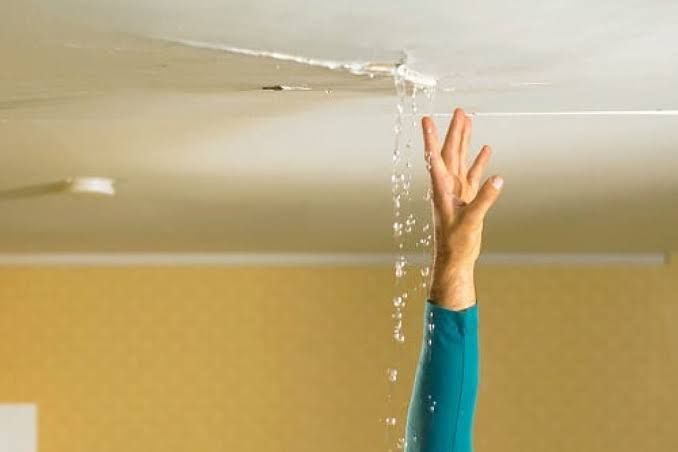
When water enters a home or commercial building, the visible damage is only part of the problem. In Tacoma, where damp weather, seasonal storms, and moisture-prone building conditions can create the perfect environment for lingering water, the bigger concern is often what happens after the standing water is gone. The real question is not only how to dry a property, but whether the cleanup is thorough enough to help prevent mold growth from taking hold later.
That is where professional water damage restoration matters. A focused response removes water, reduces hidden moisture, and helps protect materials before mold has a chance to spread. For Tacoma property owners, this is especially important because moisture can settle into floors, framing, drywall, insulation, crawlspaces, and other concealed areas long after the surface appears dry. If those materials remain damp, mold can begin developing quickly and silently.
American Standard Restoration serves Tacoma property owners who need fast, practical help after leaks, flooding, pipe breaks, appliance failures, and other water-related emergencies. Their Tacoma water damage restoration company for homes and businesses focuses on helping homes and businesses recover quickly, with services that include water extraction, structural drying, moisture detection, and flood cleanup. That kind of work is not just about restoring appearances; it is about protecting a structure from secondary damage that can be more expensive and disruptive than the original event.
So, can water damage restoration in Tacoma WA help prevent mold growth? The short answer is yes, when it is done promptly and thoroughly. The longer answer is more important: prevention depends on how quickly the water is removed, how deeply the moisture is detected, and whether the affected building materials are dried to a safe level. Mold is not simply a cosmetic issue. It can affect indoor air quality, damage surfaces, and create ongoing problems if the moisture source is not fully addressed.
Why mold risk rises so quickly after water damage
Mold needs moisture, organic material, and time. In a home or commercial space, materials such as drywall, wood framing, paper backing, carpet padding, insulation, and dust can all support mold growth if they stay damp long enough. That is why a minor leak under a sink or behind a wall can become a much bigger issue if it is ignored. Water can travel far from the original source and soak materials you cannot see.
In practice, one of the biggest dangers after water damage is hidden moisture. A surface may feel dry while the interior of a wall cavity remains wet. Baseboards may look unchanged while the lower portion of drywall is saturated. A carpet may seem salvageable, but the pad underneath could still be holding moisture. Restoration professionals use moisture detection tools to identify those problem areas and take action before mold has a chance to grow.
Tacoma’s climate makes this especially relevant. Homes near the waterfront, older buildings, crawlspace-heavy structures, and properties in shaded or low-ventilation areas may already hold more ambient moisture than other regions. If a water incident happens in those conditions, the risk of mold rises even faster. That is why restoration should be immediate, methodical, and based on more than what the eye can see.
How professional restoration helps stop mold before it starts
Water damage restoration helps prevent mold growth by interrupting the conditions mold needs. That starts with removing standing water as soon as possible. Water extraction reduces the amount of time materials stay wet and lowers the risk that moisture will spread into structural components. The next step is structural drying, which aims to remove moisture from the materials that still hold water after extraction is complete.
Moisture detection is equally important. A property can look dry while still containing moisture inside walls, beneath flooring, in trim, or within framing. Professional restoration teams look for those concealed pockets so they can dry them properly. This is essential because mold often starts in places that are not immediately visible. By locating and addressing hidden moisture, restoration teams help reduce the likelihood that mold will start growing after the job is finished.
Another key part of mold prevention is controlling secondary damage. If wet materials are left in place too long, they can become harder or impossible to save. In some cases, porous items need to be removed because they cannot be dried safely enough to prevent future microbial growth. Professional judgment is important here. The right response can preserve more of the structure while also reducing the long-term risk of mold contamination.
According to American Standard Restoration’s service information, their water damage restoration work includes water extraction, structural drying, moisture detection, and flood cleanup for residential and commercial properties. That combination matters because mold prevention is not a single-step process. It requires cleanup, drying, inspection, and follow-through. When those pieces are handled together, the property has a much better chance of avoiding a future mold issue.
The Tacoma factor: local moisture conditions that make drying urgent
Tacoma property owners face a set of local conditions that make water damage especially urgent. The city’s marine climate, frequent precipitation, and older housing stock can create a situation where even a small leak becomes a lingering moisture problem. In neighborhoods with mature trees, older foundations, or limited airflow beneath structures, trapped moisture can remain longer than owners expect.
That is why local context matters. A house near North End, a rental near Hilltop, a condo close to downtown, or a business property around Tacoma Dome Station can all face different drying challenges depending on construction type and exposure. Properties in areas with crawlspaces or basements need especially careful attention because those spaces often trap humidity. If water reaches those areas, mold risk can increase before occupants notice anything unusual.
Tacoma landmarks and routes also remind property owners how widespread these concerns can be. A home near Point Defiance Park, a business off South Tacoma Way, or a property with easy access to Interstate 5 and State Route 16 may all share the same basic problem after water intrusion: moisture can move into hidden areas quickly. Whether the issue started with a failed pipe, a roof leak, or storm-related flooding, the clock starts ticking immediately.
In local restoration work, speed and accuracy are often more important than aggressive demolition. The goal is to remove water, verify what is wet, dry it correctly, and protect the property from mold before a secondary problem develops. That is the real value of professional restoration in Tacoma.
What to do in the first 24 to 48 hours after water damage
The first day or two after water damage is often the most important window for mold prevention. If the source is still active, it should be stopped immediately. After that, standing water should be removed, affected contents should be moved out of danger if possible, and wet materials should begin drying as soon as practical. The longer moisture remains, the more likely mold becomes.
In a real-world scenario, a homeowner might discover a dishwasher leak that soaked the kitchen floor and spread into adjacent cabinetry. Even if the surface water is gone, moisture may have traveled beneath the flooring or into the wall behind the cabinets. If the owner waits several days to address it, the chance of mold growth rises sharply. If a restoration team responds quickly, they can identify what can be dried, what needs to be removed, and whether the structure is at risk.
It is also important not to rely on household fans alone when the damage is more than minor. Ordinary ventilation can help with light surface dampness, but hidden moisture often needs professional drying equipment and moisture monitoring. Restoration teams use tools and processes that are built to accelerate drying while checking whether the affected areas are actually reaching safe moisture levels.
During this early window, prompt documentation can also matter. Photos, notes, and a record of what was affected can help track the scope of damage and the progress of drying. That kind of documentation supports transparency and helps property owners understand what was done, what remains at risk, and what steps are necessary next.
Why moisture detection is one of the most important steps
Moisture detection is one of the clearest differences between a quick cleanup and a real restoration process. Water rarely stays exactly where it starts. It travels through cracks, under flooring, behind trim, and into wall assemblies. Without proper detection, the visible damage may be addressed while the hidden damage remains untouched. That is how mold problems develop after a property looks “dry enough” on the surface.
Professionals use moisture detection to identify wet materials that may not be obvious. This can include subflooring, wall cavities, the backs of cabinets, baseboards, and insulation. By checking these areas, restoration crews can determine what needs drying, what may need removal, and where mold-preventive attention is required. This is one of the main reasons professional restoration is so effective at reducing future mold risk.
In a Tacoma property, moisture detection is especially useful because climate and building design can hide lingering dampness. A crawlspace with poor ventilation, a basement wall that shows no outward sign of seepage, or a bathroom floor that feels firm but is still holding water underneath can all become mold sources if left unchecked. The goal is not to guess. It is to verify.
That approach also supports trustworthiness. Property owners deserve to know not only that water was removed, but that the structure was inspected for hidden trouble spots. Clear moisture readings, drying plans, and follow-up checks help prove that the cleanup was handled responsibly.
How structural drying protects a property from future mold
Structural drying is the process of removing moisture from building materials after standing water has been extracted. This step matters because many materials retain water even after the visible flooding is gone. Drywall, framing lumber, subfloors, and trim can all stay damp long enough to support mold if they are not dried properly.
A strong drying process usually includes targeted airflow, dehumidification, and monitoring. Air movers help accelerate evaporation from affected materials. Dehumidifiers remove moisture from the air so that the surrounding environment does not continue feeding the wet surfaces. Monitoring helps confirm whether the moisture content is dropping at a pace that supports safe recovery. Without these steps, a structure can appear dry while still creating a mold-friendly environment inside.
For Tacoma buildings, structural drying is especially important after plumbing leaks, roof damage, or groundwater intrusion. In older homes, building assemblies may already have tight cavities, older materials, or prior repairs that create moisture traps. In commercial spaces, large floor areas and hidden mechanical spaces can complicate drying. The right approach accounts for those details instead of applying a one-size-fits-all method.
At a practical level, structural drying can mean the difference between a clean recovery and a future mold project. A room that was dried quickly and correctly may be returned to use with far less disruption. A room that was left damp behind the walls may later require mold remediation, material removal, and deeper repairs. That is why drying is not an optional finish step; it is part of mold prevention itself.
When water damage turns into a mold problem
Water damage becomes a mold problem when moisture remains long enough for spores to colonize materials. In some cases, mold begins developing in as little as a short period after water exposure if conditions are right. The exact timeline depends on temperature, humidity, the type of materials affected, and how much water was involved. What matters most is that waiting increases risk.
That is why even clean-looking water damage can still be serious. Clear water from a supply line may seem less dangerous than sewage or stormwater, but if it saturates porous materials and stays in place, it can still create mold conditions. The same is true after a small leak. A tiny source can produce a large hidden problem over time.
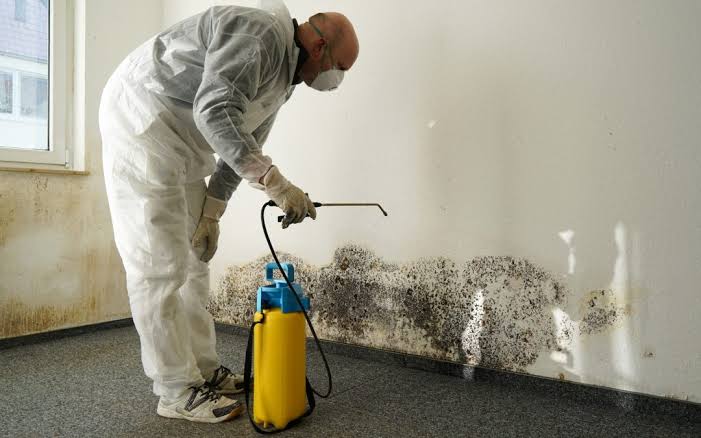
Homeowners and business owners sometimes assume mold will be obvious if it is present. In reality, mold often starts behind walls, beneath flooring, inside cabinets, or in other concealed spaces. By the time it becomes visible, the affected area may be much larger than expected. This is why early intervention is so important.
The best strategy is to treat every meaningful water intrusion as a mold prevention issue from the start. That means checking the full extent of damage, drying everything thoroughly, and making sure no hidden wet pockets remain.
Why speed matters more than size of the leak
Many people underestimate small leaks because they do not look dramatic. A slow pipe drip, a minor appliance overflow, or a roof stain may seem manageable at first. But the size of the leak is not the only factor. The length of time the leak continues and the amount of hidden moisture it creates are often more important.
A brief but intense flood may be easier to detect and address than a slow, ongoing leak that soaks materials for days. The first can be dramatic but obvious. The second can be quiet and persistent, which makes mold more likely. In Tacoma, where moisture is already part of the environment, those hidden leaks can be especially problematic.
Professional restoration helps because it turns a vague moisture problem into a defined project. Technicians can inspect the affected area, determine how far the water traveled, and take action before the moisture becomes embedded in the structure. That process is far more effective than simply cleaning up what is visible.
This is also why recurring moisture should never be ignored. If the same area keeps getting damp, there may be an unresolved plumbing issue, grading problem, roof defect, or ventilation concern. Mold prevention is not just about drying once; it is about identifying why the water got in and preventing it from returning.
What homeowners and businesses in Tacoma should look for after water damage
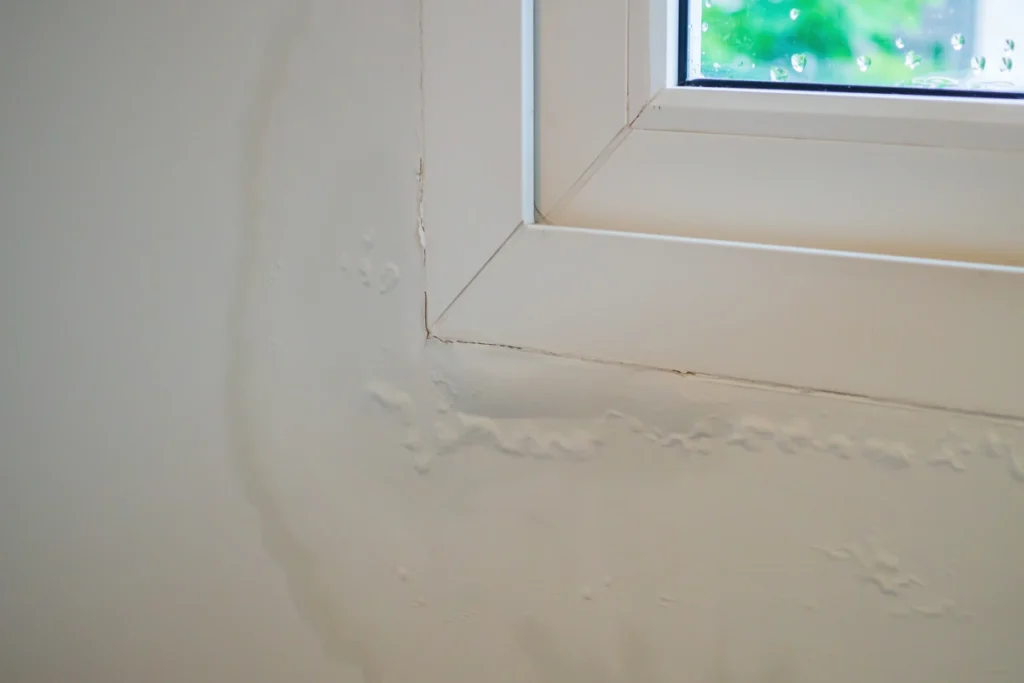
After a water event, there are several warning signs that the property may still hold moisture. These include musty odors, staining that spreads, baseboards that swell, paint that bubbles, warped flooring, soft drywall, or recurring dampness in the same area. Any of these signs may indicate that water is still present inside the structure.
Commercial properties should be especially attentive to shared walls, storage rooms, restrooms, break areas, mechanical closets, and lower levels. In offices, retail spaces, and restaurants, water can move through multiple sections before it is noticed. Businesses near commercial corridors such as downtown Tacoma, Tacoma Mall, or the industrial areas around major roadways should take prompt action because water-related downtime can be costly and mold can disrupt operations further.
Homeowners should check basements, attics, under sinks, behind refrigerators, around tubs, and near windows. If a property has a crawlspace, it should be included in the inspection because moisture often accumulates there long before it is seen inside the living space. The more hidden the area, the more important professional inspection becomes.
If there is any question about whether the property is truly dry, it is safer to have it checked than to assume the problem is gone. Mold prevention depends on certainty, not appearance.
How American Standard Restoration supports mold prevention after water damage
American Standard Restoration positions its Tacoma service around the practical steps that matter most after water damage. Their service page describes complete water damage restoration for residential and commercial properties, with water extraction, structural drying, moisture detection, and flood cleanup. Those are the core elements that help keep a water event from evolving into a mold issue.
That process is especially valuable for Tacoma property owners because local conditions can make moisture harder to eliminate. When a team responds quickly, identifies hidden wet areas, and helps dry the structure thoroughly, the property is more likely to avoid follow-on damage. In other words, mold prevention is built into the restoration process itself.
American Standard Restoration also provides an easy path for property owners who need help quickly. Their Tacoma page encourages people to reach out by phone at 439-9968 or through the contact form. That direct response matters during water emergencies because time is one of the biggest factors in whether mold develops later.
For readers who want to understand the company’s services in more detail, their Tacoma water damage restoration services for mold prevention and cleanup page outlines the scope of help available in the local area. For more context about the business and its broader restoration approach, their Tacoma emergency property damage restoration team and response page provides another relevant entry point on the site.
How to reduce mold risk after cleanup is complete
Once the initial restoration is done, property owners still play a role in keeping mold from returning. Ventilation should be maintained, humidity should be controlled, and any source of repeated moisture should be fixed. If the original problem was a leak, the repair should be verified. If the issue was poor drainage or a roof defect, that underlying cause should be addressed quickly.
It is also smart to keep an eye on areas that were previously damaged. Even after professional drying, a room can develop issues later if a second water event occurs or if the original repair was incomplete. Checking for odors, discoloration, and changes in material condition can help catch issues early. In some cases, follow-up moisture checks may be appropriate if the property had significant saturation.
For Tacoma buildings, this ongoing vigilance matters because recurring damp conditions are common in the region. A property near greenbelt areas, tree cover, or lower-lying ground may need additional attention. A home or business in an older structure may also benefit from better ventilation, crawlspace management, or regular inspection of plumbing and roof systems.
Prevention is not complicated, but it is consistent. Keep water out, dry the property fast when water gets in, and do not ignore small signs of recurring moisture. That routine does more to prevent mold than almost anything else.
What makes a water damage response trustworthy
Trustworthy restoration comes from transparency and follow-through. Property owners should know what was wet, what was dried, what was removed, and what risks remain. They should also understand whether the damage affected hidden areas, whether materials were inspected for moisture, and whether the property is ready to be used again. Clear communication is just as important as the equipment used on site.
That is one reason detailed moisture detection and structural drying matter. They create a record of what was done rather than leaving the result to guesswork. A property owner who understands the process can make better decisions about repairs, replacements, and follow-up care. It also builds confidence that the home or building was treated with care.
American Standard Restoration’s Tacoma service information emphasizes prompt help for homeowners and business owners who are dealing with water damage. That kind of direct, local support is valuable because when water is involved, delay is one of the biggest enemies of trust. Fast communication, practical services, and a clear path to contact the team all help reduce confusion in a stressful moment.
For Tacoma property owners, that combination of responsiveness and methodical drying is exactly what can help prevent mold growth after water damage.
Frequently Asked Questions
Can water damage restoration actually prevent mold from growing?
Yes, professional water damage restoration can help prevent mold growth when it is done quickly and thoroughly. Mold needs moisture to grow, so the faster standing water is removed and the faster hidden moisture is detected and dried, the lower the risk becomes. Restoration is not just about removing what you can see on the surface. It also involves checking walls, flooring, insulation, and framing for dampness that could support mold later. If the drying process is rushed or incomplete, mold may still develop in concealed areas. That is why a proper restoration response matters so much after leaks, flooding, or appliance failures.
How soon should I call for water damage restoration after a leak?
You should call as soon as possible, ideally the same day the leak is discovered. The first 24 to 48 hours are especially important because moisture can spread into materials that are harder to dry later. Even small leaks can become mold problems if they sit too long. A fast response helps limit the amount of damage, reduce repair costs, and lower the chance of secondary issues like mold growth. In Tacoma, where humidity and rainfall are already part of the environment, waiting can be even riskier. Prompt action gives the restoration team a better chance to save materials and dry the structure correctly.
Why is hidden moisture such a big concern after water damage?
Hidden moisture is dangerous because it can remain inside a structure long after visible water is gone. A wall may look dry while the cavity behind it is still wet. Flooring may appear stable while the subfloor is holding moisture underneath. This kind of trapped dampness creates ideal conditions for mold, especially in places with limited airflow. Restoration professionals use moisture detection to find these areas before they become bigger problems. Without that step, a cleanup may seem complete even though the structure is still at risk. Hidden moisture is one of the main reasons mold grows after water events.
Does every water leak lead to mold?
No, not every leak leads to mold, but any leak can become a mold risk if the materials stay wet long enough. The outcome depends on how much water was involved, how long it remained, what materials were affected, and how well the area was dried. A small leak that is caught immediately and dried properly may not cause mold at all. A similar leak that is ignored for several days can create a serious issue. The safest approach is to treat every meaningful water intrusion as urgent and have it checked and dried properly, especially if the affected area includes drywall, wood, carpet, or insulation.
What parts of a home are most likely to develop mold after water damage?
Areas that trap moisture are the most vulnerable. This often includes basements, crawlspaces, bathrooms, kitchens, laundry rooms, wall cavities, and spaces under sinks or around appliances. Carpet and padding, drywall, baseboards, framing, and insulation can also hold moisture and support mold if they are not dried well. In Tacoma homes, older construction and damp exterior conditions can make these spaces even more vulnerable. A restoration inspection should focus on the most concealed parts of the property, not just the visibly wet surfaces. That is how mold prevention becomes more effective.
Can I dry out water damage myself with fans and open windows?
For very minor surface dampness, basic ventilation may help, but household fans and open windows are often not enough for real water damage. Water can move into hidden areas that fans cannot reach effectively. Also, if the air outside is humid, opening windows may not help much and can sometimes slow the drying process. Professional drying equipment is designed to move air, remove moisture from the environment, and monitor whether materials are actually drying. If the water damage is more than small and obvious, it is safer to have it inspected and treated professionally so that mold does not form later in concealed areas.
What should I watch for after cleanup to make sure mold is not developing?
After cleanup, pay attention to musty odors, discoloration, swelling in materials, bubbling paint, warped floors, and any new dampness in the same area. These signs can suggest that moisture remains trapped somewhere in the structure. If the property had significant damage, it may be wise to keep checking the area for a period of time after the work is done. In Tacoma, recurring damp conditions can make this especially important. If anything seems off, ask for another moisture check. Catching a problem early is much easier than dealing with full mold remediation later.
Are basements and crawlspaces in Tacoma more likely to need drying help?
Yes, basements and crawlspaces often need extra attention because they are more likely to trap moisture. These areas may have limited ventilation, cooler temperatures, and materials that stay damp longer than main living areas. In Tacoma, the wet climate can make these spaces especially vulnerable after leaks or drainage issues. If water gets into a basement or crawlspace, it is important to check for hidden moisture, because mold can begin there before it spreads into the rest of the property. Proper drying and monitoring are critical in these parts of the building.
How does structural drying help stop mold growth?
Structural drying helps stop mold by removing the moisture that mold needs to grow. It uses equipment and monitoring to dry building materials after water extraction is complete. This matters because water often remains inside walls, floors, and framing even when the visible puddles are gone. Drying those materials reduces the chance that mold spores will colonize them later. The process is especially important for porous materials that absorb moisture quickly. In a Tacoma property, structural drying can be the difference between a straightforward restoration and a future mold issue.
What if the water damage came from a clean source like a supply line?
Even clean water from a supply line can still lead to mold if it is not removed and dried fast enough. Clean water is less contaminated at the start, but it can still soak into porous materials and create the moisture conditions mold needs. The source of the water matters, but the length of exposure matters just as much. If drywall, wood, carpet, or insulation stays wet, mold can still develop. That is why a professional restoration response is recommended even when the water seems relatively clean. The goal is to stop both visible damage and hidden moisture.
How do I know whether I need restoration or full mold remediation?
If the water damage is recent and the area has not been wet for long, restoration may be enough to prevent mold from developing. If the moisture has been present for an extended period, if there is visible mold growth, or if the structure has lingering odors and damp materials, then mold remediation may also be necessary. The best first step is a professional assessment. A technician can determine how far the water spread, whether hidden areas were affected, and whether the property can be dried safely or needs additional remediation. In many cases, acting quickly with restoration prevents the need for more extensive mold work later.
Conclusion
Water damage restoration in Tacoma WA can absolutely help prevent mold growth, but only when it is done quickly, thoroughly, and with attention to hidden moisture. The key is not simply to remove surface water. It is to extract, detect, dry, and verify so that the structure no longer supports mold development. That matters in Tacoma because the local climate, property styles, and common moisture conditions can make even small water incidents turn into larger indoor air and structural problems if ignored.
For property owners, the smartest move after water damage is to treat the situation as urgent from the start. If your home or business has been affected, a local team that understands moisture detection and structural drying can help reduce the chance of secondary damage and preserve more of the property. If you need support, American Standard Restoration provides Tacoma-focused help for water extraction, structural drying, moisture detection, and flood cleanup, with service information available through their verified website and direct contact options.
When water is removed quickly and the structure is dried correctly, mold has far fewer opportunities to grow. That is the real value of timely restoration: it protects the property now and helps prevent much bigger problems later.